
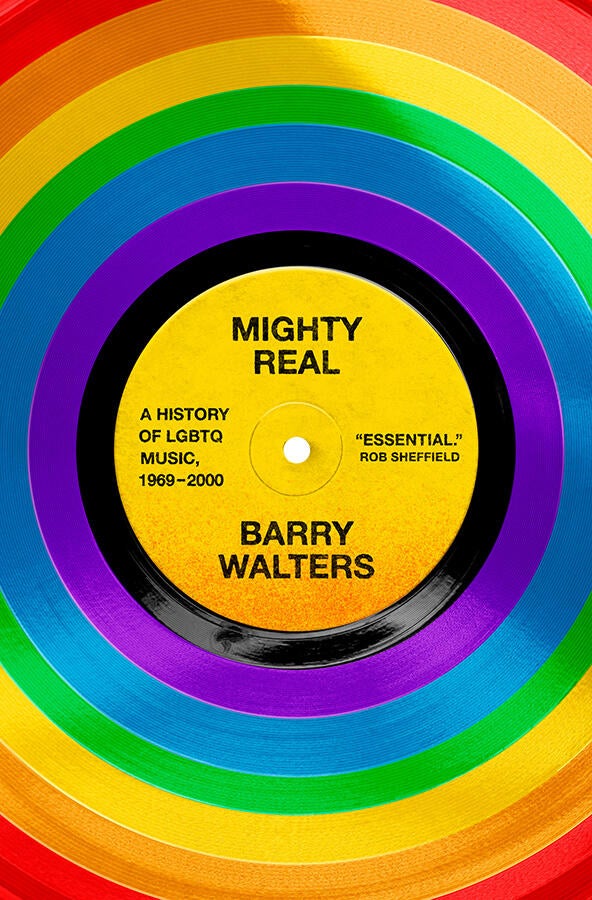
Rolling Stone writer Barry Walters delves into the significance of language in LGBTQ music through his book, “Mighty Real,” which covers its history. When listening to love songs performed by straight men, Walters mentions that he mentally changes the gender of the nouns to connect more personally with the lyrics. This is a common experience for many in the LGBTQ community as mainstream hits often aren’t tailor-made for LGBTQ audiences.
While queer musical content frequently finds itself marginalized, exceptions do exist. Artists like Sam Smith have achieved significant mainstream success. Smith, a gay artist, has sold millions of records worldwide. His collaboration with Kim Petras, “Unholy,” topped the charts in 2022 by challenging norms with its confrontational content. However, Smith’s new single, “My Guy,” takes a different approach, using a masculine noun to refer to a same-sex relationship. Walters emphasizes the significance of this straightforward representation in LGBTQ pop music.
Historical figures in music who have made breakthroughs include Little Richard and David Bowie. Little Richard contributed to the birth of rock ‘n’ roll with his unique style, while Bowie used complex gender themes to create serious art. These artists often dared to provoke because they had less at stake, similar to the individuals at the Stonewall Inn 57 years ago. Butch women, effeminate men, and drag queens fought back against hostile New York police during that historical event.
This summer, Sam Smith brings a new form of rebellion with “My Guy.” It’s a ballad where the repeated masculine noun signifies progress. The song’s gentle tone suggests that revolution can indeed sound soft and tender.
For those interested in reading more about LGBTQ music history, excerpts from “Mighty Real: A History of LGBTQ Music, 1969-2000” are available, alongside information on where to purchase the book.
Find out more on Barry Walters’ and Sam Smith’s official websites.