
Ticket Availability at the 2026 FIFA World Cup
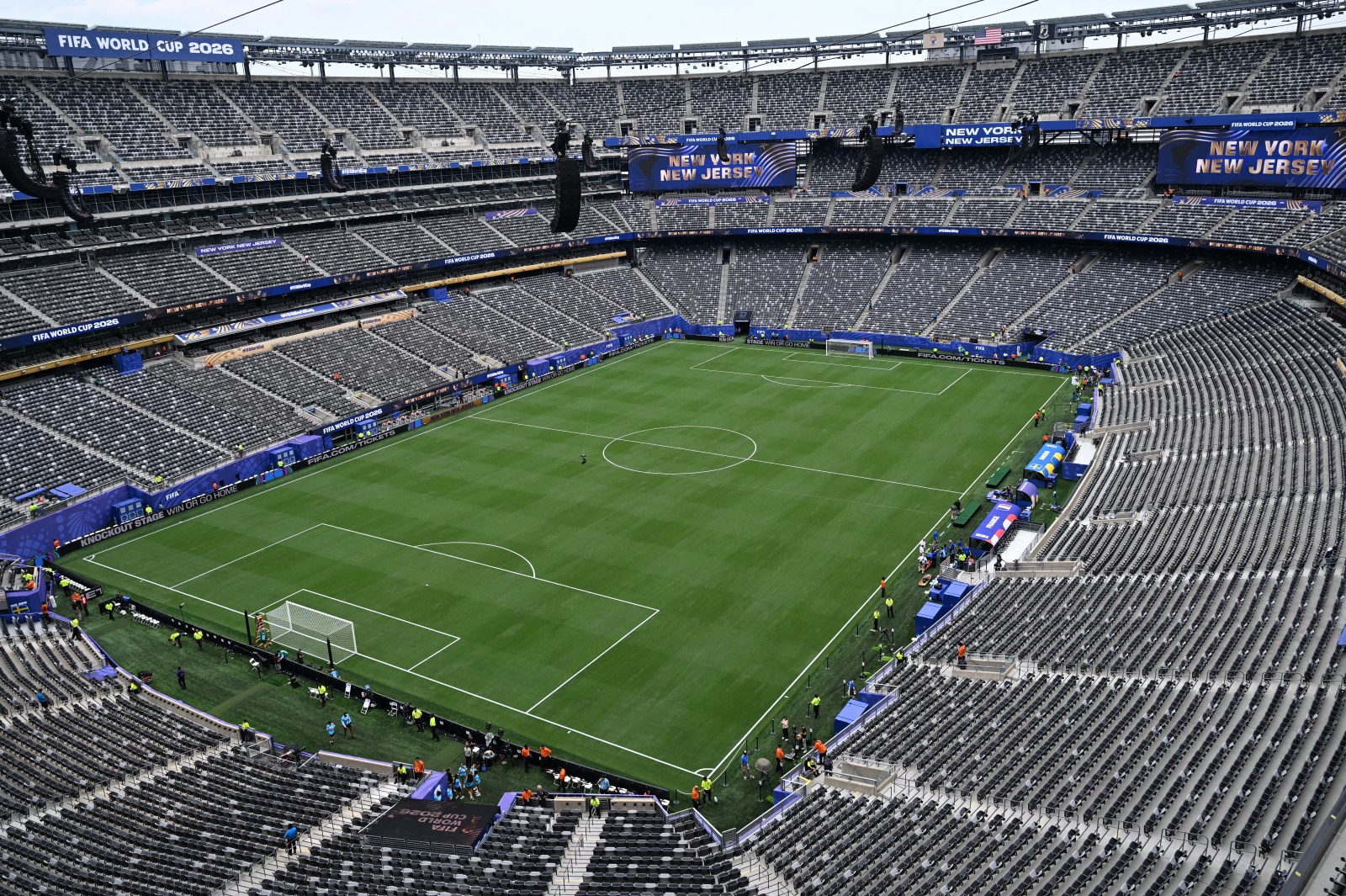
Hundreds of tickets for the 2026 FIFA World Cup final are still available on the organizer’s primary portal, with only hours remaining before the tournament concludes. The final match between Spain and Argentina is set to take place at MetLife Stadium, temporarily renamed New York New Jersey Stadium for the tournament. FIFA has indicated that the stadium boasts a capacity of 80,663 seats.
According to TicketData.com, 271 seats were still listed for sale on FIFA’s main ticketing portal as of Sunday morning. An analysis by Newsweek identified 252 tickets available, with prices ranging from $10,990 to $24,995. Resale platforms StubHub and SeatGeek also show numerous listings, including 200 listings for single seats, 397 for pairs, 72 for three together, and 140 for four. The lowest prices on these platforms start at $7,734.
TicketData.com reports that the “get-in price”—or the cheapest available seat—is currently $7,633 in the secondary market. This price has decreased by 21 percent over the last two weeks. It’s important to note that the availability of tickets on resale sites does not necessarily mean these seats will remain unoccupied during the match. Sellers may opt to attend if they fail to sell at their desired price.
Newsweek reached out to FIFA for comment.
Supply and Demand Dynamics
The interplay of supply and demand has been a focal point during this year’s World Cup, with ticket availability fluctuating and prices exhibiting both steady increases and sharp declines. Stephen Shapiro, a Sport and Entertainment Management professor at the University of South Carolina, stated that FIFA’s pricing strategy has been inconsistent.
FIFA attributes the heightened interest in the tournament to the elevated ticket prices at the 2026 competition. However, these prices have invoked criticism from politicians and prompted lawsuits from fans and scrutiny by host-city officials. In late May, New York Attorney General Letitia James and New Jersey Attorney General Jennifer Davenport subpoenaed FIFA for a joint probe into its ticketing system. Davenport criticized FIFA for a convoluted ticket purchasing process marked by fake scarcity and exorbitant prices.
This week, a German court ordered FIFA to cease “facilitating ticket sales” through methods flagged as “manipulative” by petitioner Ticombo, a European online ticket resale platform. Ticombo accused FIFA of failing to identify commercial sellers and employing manipulative design features on its primary platform.
There have also been inquiries about ticket availability. Over 40,000 tickets vanished from FIFA’s primary platform in late May, and a rise in tickets on the resale market followed. This led to speculation that organizers might be attempting to manipulate demand artificially.
Positive Outcomes of the 2026 World Cup
Despite pre-tournament and ongoing criticisms, the World Cup has achieved significant success for the U.S. and FIFA. The expanded format featuring 48 teams has generated numerous future investment opportunities, according to FIFA President Gianni Infantino. Infantino shared with FIFA’s Member Associations that the organization anticipates revenues exceeding a record $15 billion for the year.
Host cities have experienced a consumer spending surge since the tournament commenced, as reported by Bank of America Institute research. Additional data points to increased demand for short-term rentals in the 11 U.S. host cities, garnering positive feedback from some businesses.
“Overall, the World Cup has been an overwhelming success for our business, for Atlanta, and for the country,” an Atlanta business told Newsweek. “Visitor enthusiasm and positive city response suggest a meaningful long-term impact on goodwill and tourism.”
Nevertheless, a survey highlights local dissatisfaction due to perceived price hikes during the tournament, and some businesses report strain on regular operations. A live music venue owner in Kansas City voiced, “While major international events bolster Kansas City’s image and benefit select businesses, they present challenges for others, necessitating resilience.”