
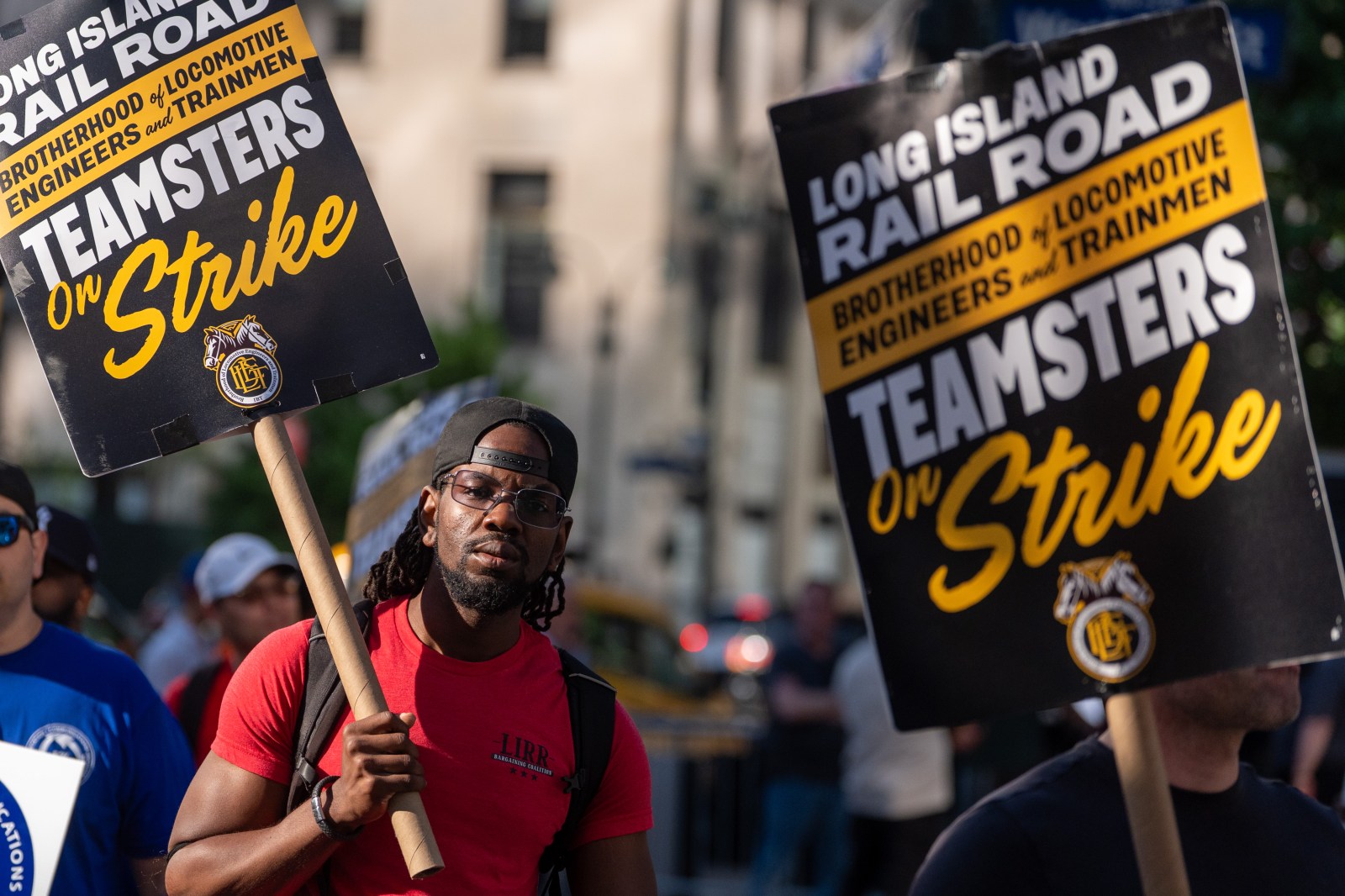
This Labor Day, we should pause to consider that every individual deserves a fair chance at the American dream. A secure job with decent wages that supports a family and the prospect of retiring with dignity is fundamental to this vision.
Yet, numerous families grapple with various expenses and strive to make ends meet. Many find it challenging to cover groceries, rent, healthcare, and utility bills. Recent data reveals that almost 40% of adults cannot manage a $400 emergency expense.
For Black workers and other workers of color, this dream keeps slipping away. In 2023, Black unemployment dipped to historic lows. However, Black workers are now among the hardest hit by economic downturns. The unemployment rate for Black individuals rose to 7% in the year’s first half, and they are twice as likely to face unemployment compared to white workers.
The Federal Reserve’s findings highlight that only 60% of Black adults felt financially stable or comfortable in 2025, a decrease of five percentage points from the prior year. In addition, Black individuals have reported increased job losses.
Meanwhile, those at the highest economic levels continue to thrive. The AFL-CIO’s Executive Paywatch report found the average S&P 500 CEO compensation reached $22.8 million in 2025, marking a 21% increase from the previous year. This figure excludes Elon Musk’s extraordinary $158.3 billion earnings.
This economic disparity stems from deliberate policy decisions. Labor laws have become less robust, favoring union busting over formation. Wealthy elites resist a strong labor movement as workers in unions have historically challenged powerful industrialists. Unions champion both economic justice and racial justice, impacting equality for workers.
Reflecting on my upbringing on Chicago’s South Side, I recognize the influence of unions. My mother worked as a domestic worker, commuting long distances, while my father took various jobs to sustain our family. A union job at an aluminum mill transformed our lives, providing stability and opportunities for a middle-class existence.
The union contract brought better pay, healthcare, retirement security, improved work conditions, fair treatment, and a voice at work. This lesson stays with me today, having experienced these benefits firsthand as a steelworker.
Union membership significantly elevates wealth for workers, especially families of color and the working class. Black union workers earn about 12.6% more than nonunion Black peers, while Latino union workers earn 16.4% more.
Currently, women and people of color comprise approximately two-thirds of union members. Black workers have the highest unionization rate among racial and ethnic groups. In 2025, workers of color represented most of the union growth.
Union representation surged by 463,000 in 2025, reaching 16.5 million—which was the highest in 16 years. Workers prefer unions for the advantages provided, and they continue to fight for the right to organize and join.
This fall, we aim to extend worker power beyond workplaces. Union volunteers will engage millions of union voters directly through conversations, a key component of the AFL-CIO’s election approach.
Person-to-person contact holds significant power, particularly amid an era of AI advertising and misleading messages from billionaires. Union members discuss issues impacting their lives, which is central to the labor movement’s mission and Election Day success.
With over 50 years dedicated to the labor movement, the principles I embraced as a young steelworker in Chicago endure. We are strongest when united.
This unity granted my family access to the American dream, facilitating generational growth for Black workers and working people regardless of race. By standing together, we will ensure future generations strive toward the American dream.