
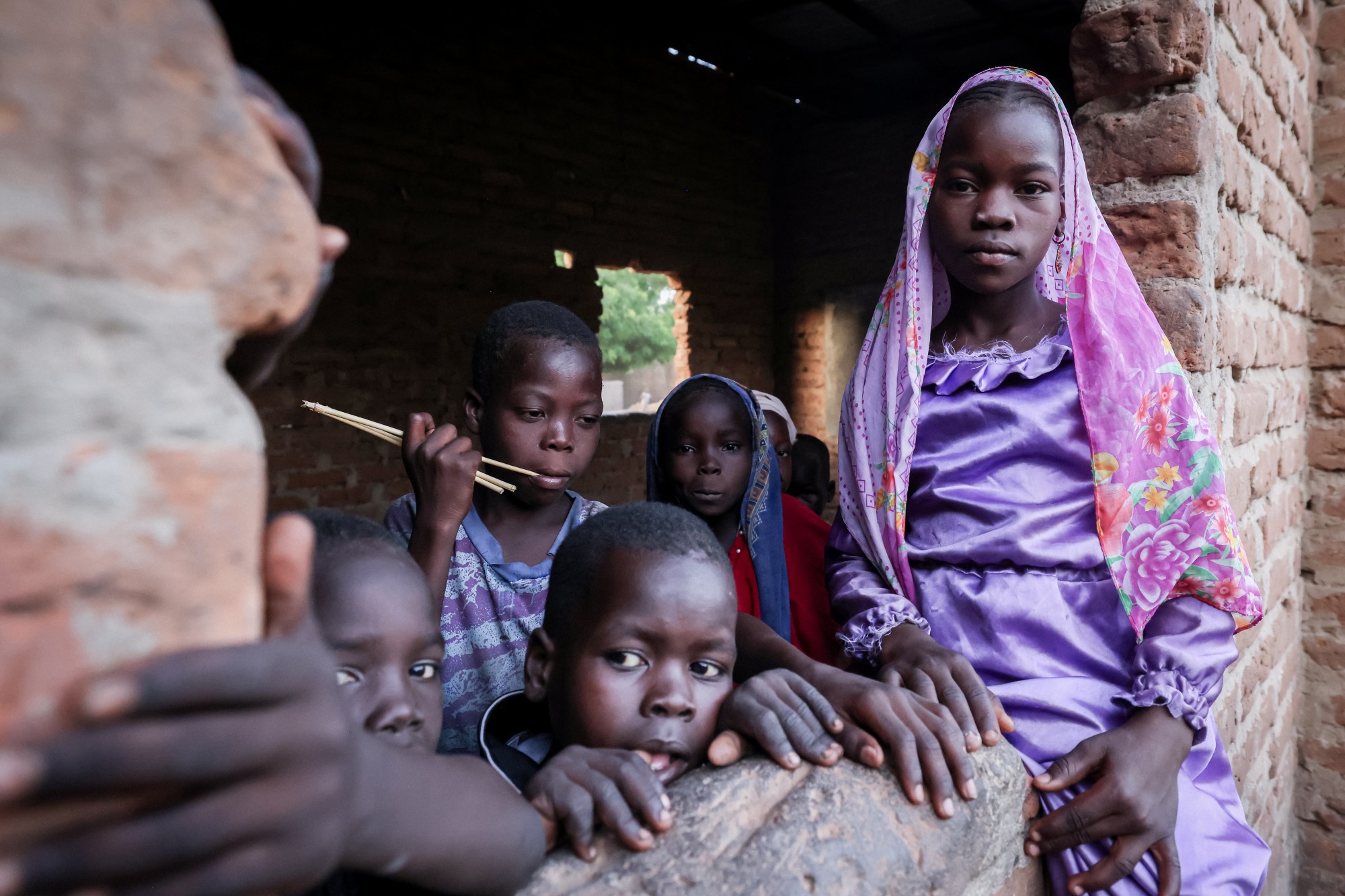
In Chad’s capital, N’Djamena, many rely on livestock farming and agriculture amid economic challenges and drought. Chad remains among the world’s lowest income countries, yet retains a vibrant local culture. Rural areas preserve traditional lifestyles, where community solidarity supports children who make up a large part of the population.
A food security crisis is brewing across East Africa, with children most at risk. In Somalia, millions face extreme hunger, and nearly 1.9 million children are expected to experience acute malnutrition. Factors include drought, conflict, displacement, and reduced humanitarian aid, elevating famine risk in some communities. Similar issues affect Sudan, South Sudan, Yemen, and Central America’s dry corridor due to drought and erratic rainfall.
Children in these regions suffer profound effects. Clinics for severe acute malnutrition reveal silent scenes, as hungry children grow too weak to cry. Malnourished children face heightened risks of illness, death, and lasting development challenges. For young children, severe malnutrition can swiftly turn fatal, yet it is preventable through affordable, local foods. For severely malnourished children, Ready-to-Use Therapeutic Food can save lives. However, many relapse without a comprehensive approach that prioritizes prevention.
Data guides intervention. The Famine Early Warning Systems Network tracks food insecurity, offering crucial insights. Improved visibility through data prompts timely actions. The U.S. has resumed the network’s analyses for Somalia, Afghanistan, and Yemen. Effective action requires strategic approaches under the Global Food Security Act. The U.S. must update its Global Food Security Strategy, aligning it with the increasing hunger issues in East Africa and beyond.
Save the Children has decades of experience in regions such as Somalia, Yemen, and Sudan. Past failures highlight the cost of delayed responses, exemplified by the high death toll during Somalia’s last crisis. Proactive strategies should focus on prevention, early action, and protecting children. Enhanced tools like the Famine Early Warning Systems Network can improve outcomes through technology, nutrition data, and community insights.
Investing in preventative measures saves significantly more than disaster response. Stopping a child from becoming malnourished is better than treating one already affected. Delays cost not only money but impact children’s health and lives.
This hunger crisis is urgent. While knowledge to prevent and address it exists, strategic action is necessary to prevent further suffering among vulnerable children.