
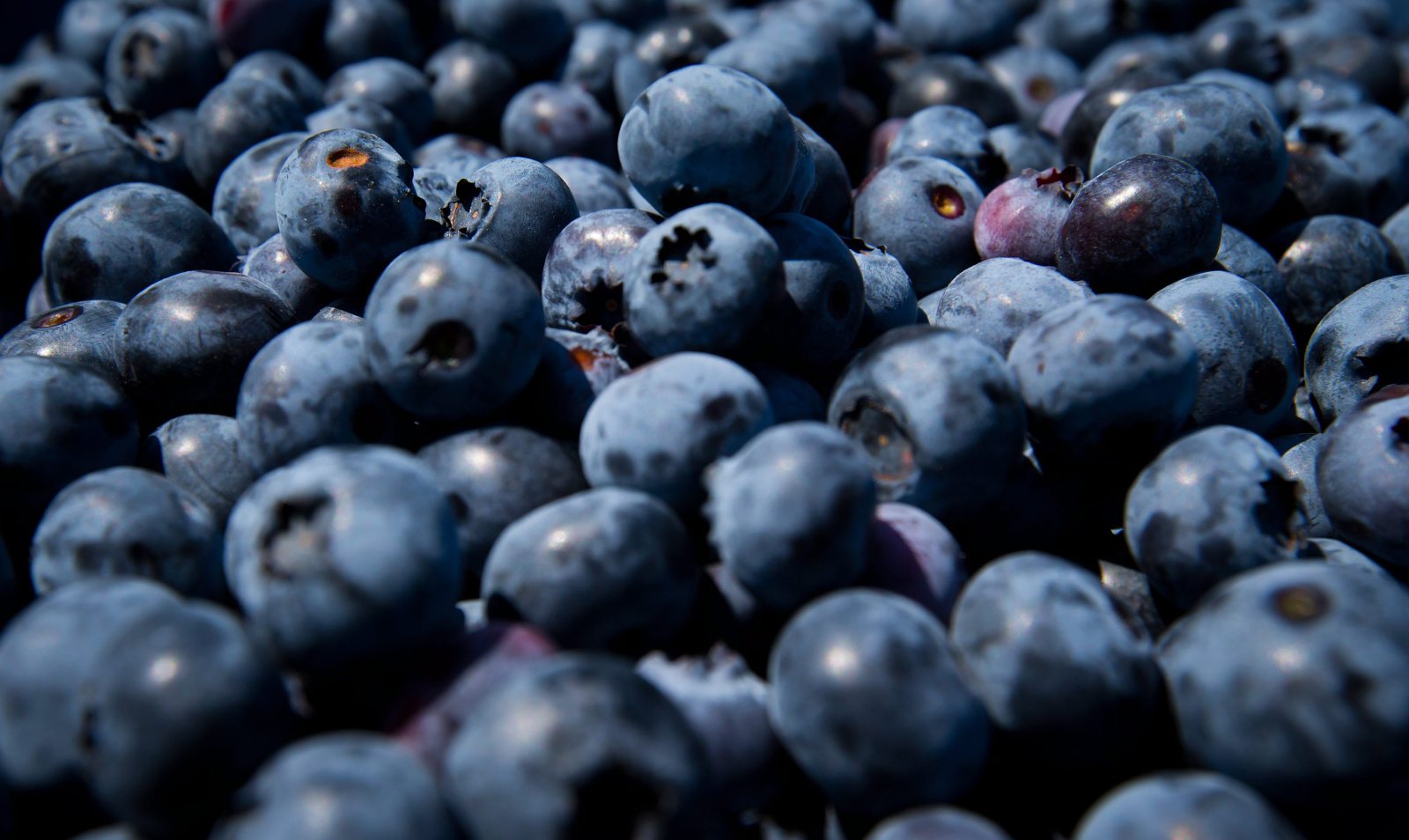
The U.S. Food and Drug Administration (FDA) has issued the highest risk warning for certain blueberry and mixed berry products recalled due to potential E. coli contamination. This Class I risk classification was announced on Tuesday, applying to four specific GreenWise products sold at Publix:
- Organic Whole Blueberries – 10 oz – UPC number: 41415-06453
- Organic Whole Blueberries – 48 oz – UPC number: 41415-12053
- Organic Whole Mixed Berries – 10 oz – UPC number: 41415-06753
- Organic Whole Mixed Berries – 48 oz – UPC number: 41415-12153
The Class I classification indicates a reasonable probability that using or being exposed to a violative product can lead to serious health consequences or death, according to the FDA.
Publix recalled all lots of these products on July 29 due to possible contamination with E. coli O145. This strain can lead to severe stomach cramps, diarrhea, and vomiting. The products were distributed to Publix stores in Alabama, Florida, Georgia, Kentucky, North Carolina, South Carolina, Tennessee, and Virginia.
By July 30, the FDA reported 12 illnesses in Florida and Georgia, with four hospitalizations. No fatalities had been reported. The cases occurred from May 11 to June 5. The FDA’s investigation is ongoing.
Understanding E. Coli
Escherichia coli, widely known as E. coli, constitutes a large group of bacteria normally found in the intestines of humans and animals. While most strains are harmless and support intestinal health, some can cause illness through contaminated food or water, as noted by the FDA.
The E. coli O145 found in the recalled berries is a Shiga toxin-producing strain, also known as STEC. This bacterium can produce toxins that harm the intestinal lining and, in severe occurrences, result in hemolytic uremic syndrome, a potentially life-threatening condition that may cause kidney failure.
Pathogenic E. coli can infiltrate the food supply when fecal matter contaminates food or water sources. The bacteria can be carried by wildlife, livestock, and humans, spreading through contaminated crops, undercooked meat, non-pasteurized dairy products, or inadequate hand hygiene. Although anyone can get infected, children under five, adults over 65, and individuals with weakened immune systems face higher risks of severe consequences.
Wider Concerns on Foodborne Illnesses
The recall of these berries occurs during heightened global awareness of diseases transmitted via food. A World Health Organization-backed study estimated that foodborne invasive parasites led to around 171 million illnesses globally from 2000 to 2021. This research highlighted 14 parasitic diseases, linking them to about 4.89 million disability-adjusted life years, a measure combining life years lost to premature death with years lived experiencing illness or disability. Researchers pointed out that foodborne parasites still cause significant suffering despite an overall reduction in their worldwide burden.
While E. coli is a bacterium distinct from parasites, the blueberry outbreak showcases ongoing risks from harmful organisms infiltrating the food supply. It emphasizes the necessity of effective monitoring, sanitation, and prompt outbreak investigations.