
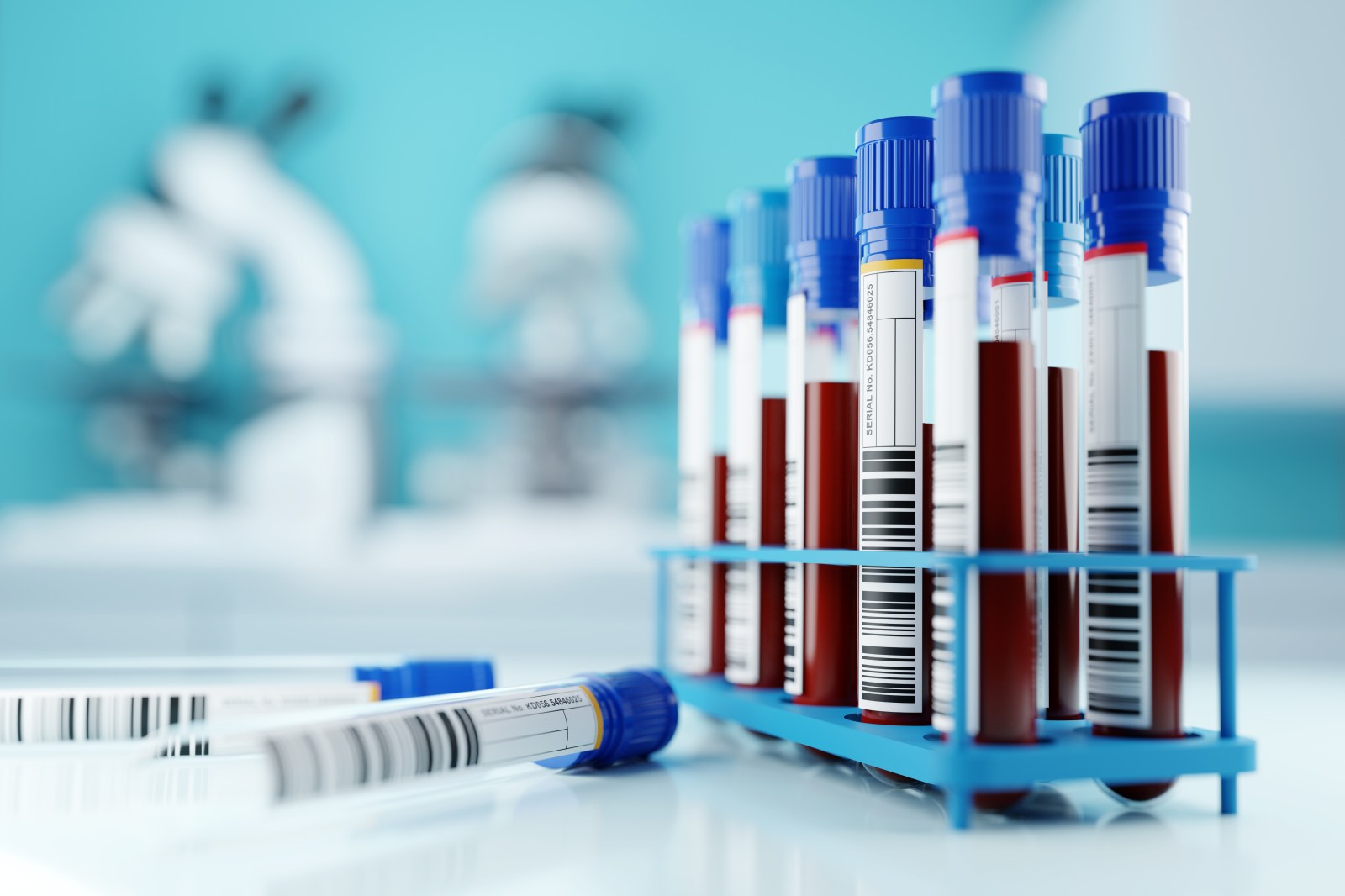
Recent research by the Korea Advanced Institute of Science and Technology (KAIST), Gangnam Severance Hospital, and Asan Medical Center reveals potential advancements in detecting colorectal cancer. Scientists suggest that a single blood sample taken prior to surgery could help identify patients at greater risk of cancer recurrence or metastasis. The study emphasizes the reshaping of metabolism as colorectal cancer progresses, detectable through blood analysis.
Historically, cancer research focused on measuring individual amino acid concentrations in blood samples. This study, however, looks at the interactions among amino acids to form a metabolic network. Such changes could offer a clearer picture of cancer progression compared to earlier methods. Notably, cancer cells undergo significant metabolic changes, demanding considerable nutrients, including amino acids crucial for protein synthesis, energy production, and DNA creation.
The research examined the relationships among 18 circulating amino acids using fluorine-19 nuclear magnetic resonance spectroscopy. Findings show amino acid networks reorganizing progressively as colorectal cancer advances. Branched-chain amino acids such as valine and leucine, important for muscle and energy metabolism, decline as disease severity increases. Meanwhile, glycine and serine become more prevalent, aiding DNA synthesis and rapid growth.
One striking discovery is the growing abundance of glycine in the bloodstream, indicating metabolic changes. A glycine-centered interaction pattern further highlights systemic metabolic remodeling. Researchers incorporated amino acid interaction features into machine learning models to improve patient recurrence and metastasis predictions. These models surpassed those using only carcinoembryonic antigen (CEA) levels, offering a potential precision medicine approach.
Professor Ji Min Lee, the study’s lead, envisions these findings aiding more precise treatment decisions. Outside experts commend the study’s promise but emphasize the need for further validation with larger populations. Dr. Michael F. Driscoll stresses insurance coverage challenges for experimental biomarker tests. Currently, CT-DNA is the most sensitive method used in post-operative settings to assess recurrence risk.
The research does not yet provide a ready-to-use clinical test but supports further investigation into amino acid interactions for tracking cancer progression. The study’s contributors include Ji-Yeon Lee and Dr. Jumi Kim, with Professors Ji Min Lee, Hyunwoo Kim, and Eun Jung Park serving as co-corresponding authors. Published on June 9, 2026, in Advanced Science, the study marks a significant step forward.