
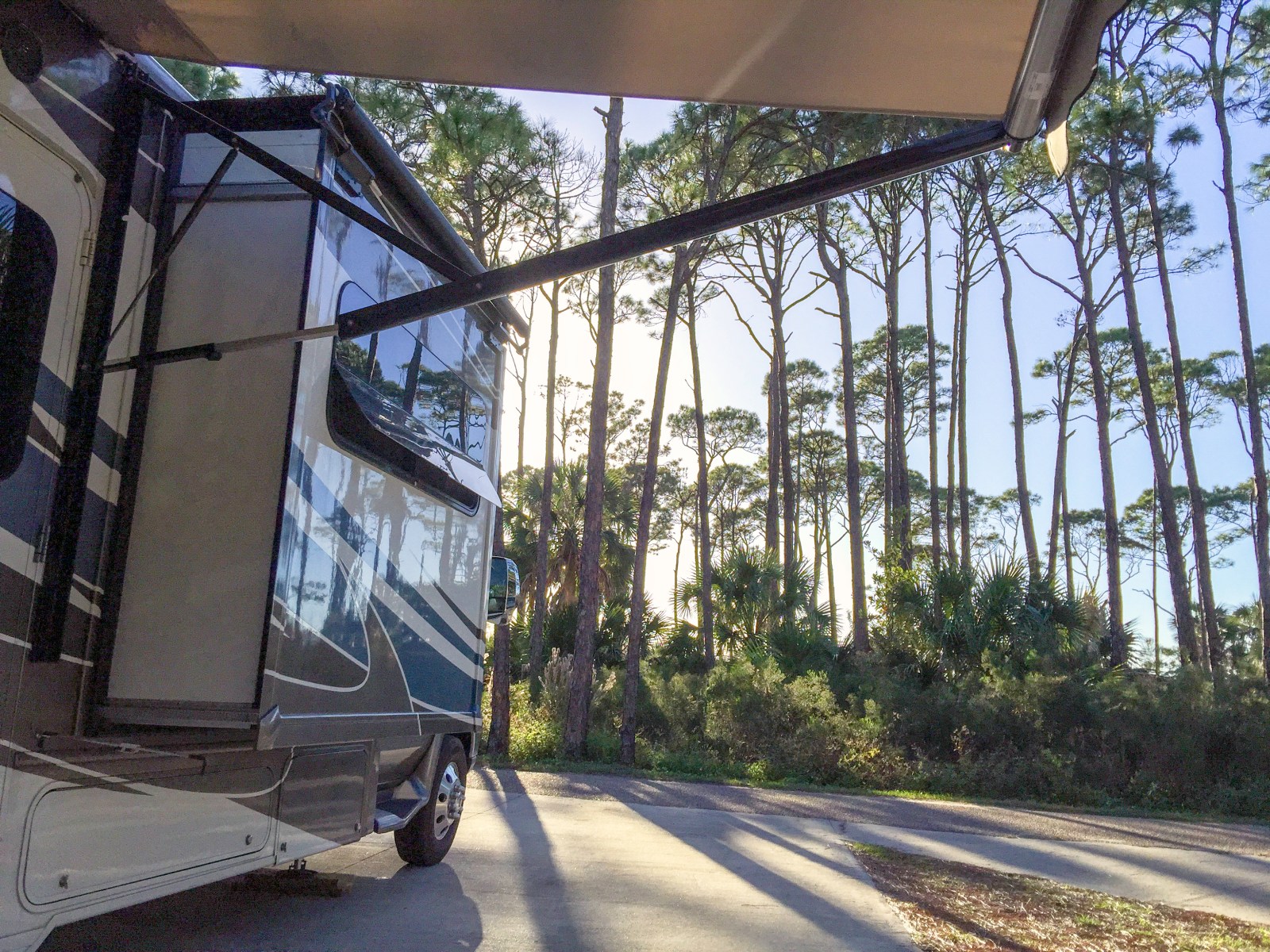
As colder months approach, many Americans look to warmer southern states for a winter getaway. However, this year they might encounter unexpected weather challenges. Forecasters are projecting a strengthened El Niño climate pattern that could transform the southern U.S. into a storm-ridden area during winter.
Snowbirding and Its Popular Destinations
Snowbirding, the practice of seasonal migration to warmer climates, mainly begins in October or November and extends through March or April. Popular destinations include Florida, Arizona, Texas, and South Carolina. These locales draw many retirees, but the rise of remote work is enabling working-age individuals to join the migration.
Weather Threats to Winter Migrants
Though travelers escape the cold of northern areas, they might face increased extreme weather hazards in the South. Meteorologist Ben Noll from The Washington Post noted that the subtropical jet stream could be intensified by El Niño, raising risks of extreme rainfall and severe storms. This season might not offer the ideal conditions for those heading south.
Understanding El Niño’s Impact
El Niño’s rapid development in the Pacific has raised concerns. The National Oceanic and Atmospheric Administration (NOAA) announced its onset in June and expects it to peak during the winter of 2026-27. Predicted to be among the strongest recorded episodes, El Niño could significantly affect U.S. weather, especially in the winter.
Extreme Rainfall
Travelers face a major risk of torrential rains. El Niño leads to a weather pattern that channels storms from California through the southern Plains toward the Gulf and Atlantic coasts. This can result in frequent rain, flooding, and transport disruptions. High tides can compound flooding risks in coastal areas.
In Southern California, additional rain can alleviate drought but may also lead to floods, landslides, and debris flows, particularly in fire-affected regions. Persistent rains might disrupt plans for those staying in RV parks or rental properties.
Severe Storms
Severe storms pose another threat, with intensified subtropical jet streams bringing moisture and thunderstorm conditions. This interaction can lead to damaging winds, hail, and tornadoes. Historical data shows increased chances of severe weather during El Niño, especially along the Gulf Coast and Southeast.
Texas, Louisiana, Mississippi, Alabama, Florida, and Georgia may face an elevated risk. Retirees and visitors may struggle with unfamiliar severe weather. These usually mild winter destinations might now experience volatile conditions associated with spring.
Adapting to Changing Expectations
Florida is known to gain hundreds of thousands of seasonal inhabitants during winter, while Arizona attracts many from the Midwest and Canada. Common hotspots include Naples, Sarasota, Fort Myers, and Palm Beach in Florida, alongside Phoenix and Tucson in Arizona. Texas’ Gulf Coast and South Carolina’s shores also receive large seasonal numbers.
Many choose these destinations for predictable, mild winters, but strong El Niño conditions could alter this by increasing storm occurrences during peak migratory months. Forecasters advise that not all storms will be severe and predictability remains uncertain. Nevertheless, climate signals suggest a stormier winter.
For those planning to head south in fall, the promise of warmer weather comes with possible heightened rain and storms. It might not be the tranquil escape anticipated.