
A potential Super El Niño may significantly impact some of America’s most visited national parks, altering conditions from waterfalls to snowpack and flooding, with varied visitor experiences. Forecasters predict a likely strengthening of El Niño into a “very strong” category this fall and winter. Strong El Niño events typically shift storm tracks across North America, bringing wetter conditions to parts of the South and Southwest, while some northern regions may experience warmer than usual temperatures.
Super El Niño Explained
Super El Niño is an unofficial term describing a very strong El Niño event. It occurs when sea surface temperatures in the central and eastern equatorial Pacific rise over 2 degrees Celsius above average. This significant temperature increase alters global weather patterns, leading to effects such as flooding, drought, extreme heat, and changes in storm tracks across the U.S.
National Parks Potentially Affected
The impact of Super El Niño on America’s national parks could be twofold. On one hand, increased rainfall and snowfall may help revive drought-stricken landscapes, enhancing waterfalls in places like Yosemite and offering excellent snow conditions in parts of the Rockies. However, more rainfall can bring hazards such as flooding, landslides, debris flows, road closures, and dangerous trail conditions, particularly in the Southwest and California.
Yosemite National Park
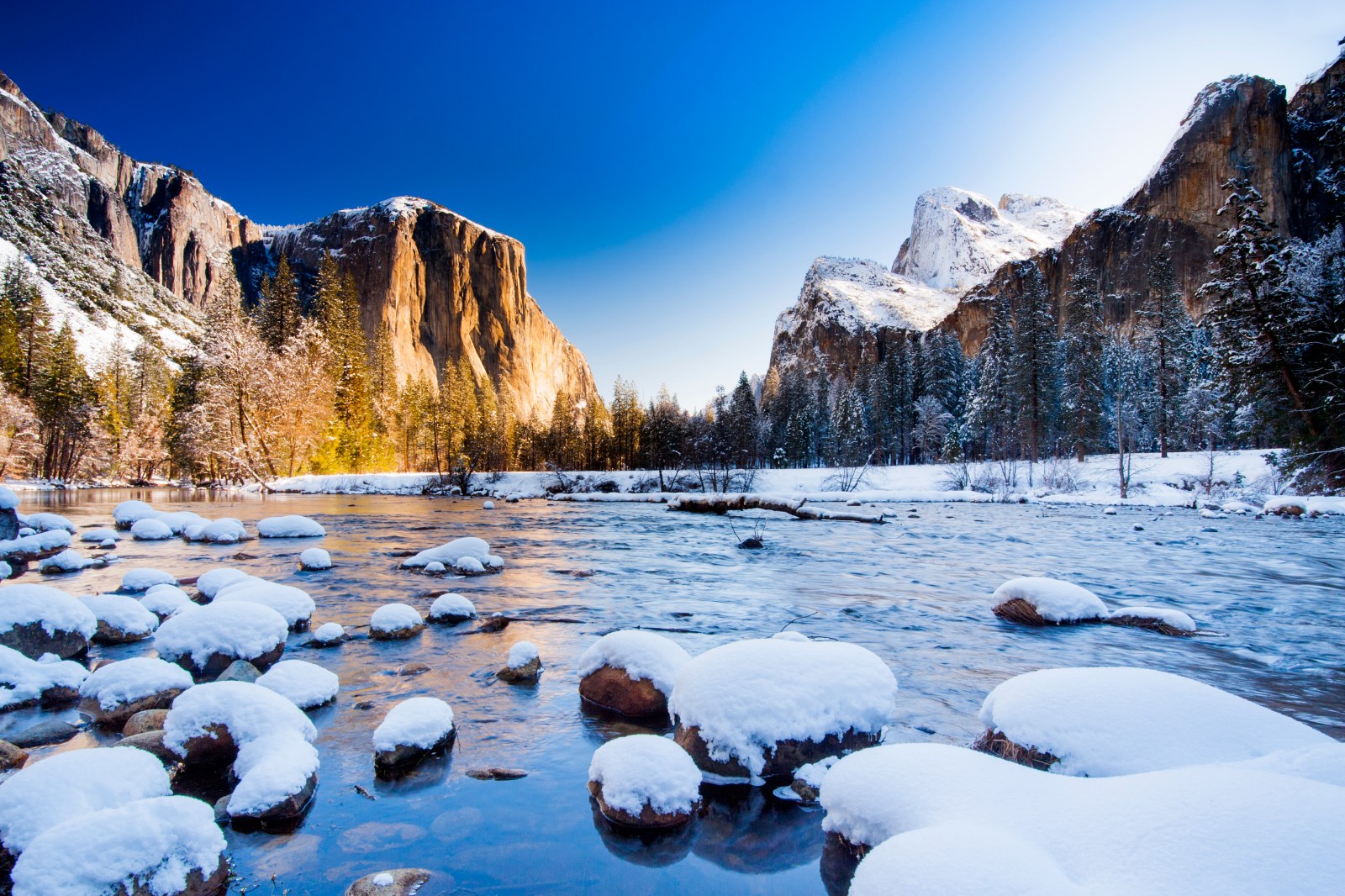
Yosemite, located in California’s Sierra Nevada, might witness notable changes. Stronger El Niño winters typically deliver significant precipitation to California. AccuWeather long-range forecaster Paul Pastelok noted that California’s mountains often become targets for storm systems during typical El Niño patterns, especially as winter proceeds. While moisture benefits spring and summer travelers with beautiful rivers, fishing opportunities, and pleasant camping, late-season visitors must be cautious. Heavy rain or snowfall could lead to flooding and mudslides posing risks to travelers.
Sequoia National Park
The giant sequoias in California’s southern Sierra Nevada might experience mixed effects from increased moisture. A wetter-than-average winter could alleviate stress on ecosystems, benefiting forests and reservoirs long exposed to drought and heat. Yet, abundant rainfall might also lead to challenges like higher runoff, damaged roads, and stressed infrastructure. Moreover, wet winters can foster vegetation growth that later transforms into wildfire fuel if conditions dry.
Rocky Mountain National Park
Colorado lies near the boundary of traditional El Niño influences, resulting in uncertain outcomes. Paul Pastelok mentioned that central Rockies may sometimes experience winter storms during El Niño years. Visitors can expect deeper snow cover, dramatic alpine scenery, and enhanced spring water supplies but also face potential travel disruptions and road closures if snowfall exceeds averages.
Everglades National Park
South Florida’s weather may be distinctly different. El Niño winters often increase moisture and severe weather threats in Florida. Pastelok noted that northern Florida and Southeastern regions might experience heightened storms and tornado risks. The Everglades could benefit from increased water levels, though wet periods may complicate recreation and wildlife viewing.
Yellowstone National Park
Yellowstone might find itself at the crossroads of varying weather patterns. Many strong El Niño events favor warmer winter conditions across northern U.S. regions. Such temperature shifts might influence snowfall totals and snowmelt timing within the Greater Yellowstone Ecosystem, potentially influencing wildlife movement and river flows.
Glacier National Park
Glacier National Park could undergo visible transformations with warmer conditions. Forecasts predict milder winter temperatures in northern U.S. areas, limiting snow accumulation at lower elevations and hastening melting. Existing challenges from shrinking glaciers and climate changes might amplify under these conditions.
Possible La Niña Effects
La Niña is essentially the opposite of El Niño, marked by cooler sea surface temperatures in the central and eastern tropical Pacific Ocean. It often strengthens trade winds, resulting in cooler, wetter conditions for specific regions and hotter, drier conditions for others.
Future Considerations
Scientists emphasize that El Niño impacts are unique, with individual park effects dependent on how the pattern develops this fall and winter. Still, a strong El Niño could reshape U.S. landscapes, altering famous parks in a manner unexpected by travelers.