
In Kim Stanley Robinson’s book “The Ministry for the Future,” a catastrophic heat wave in India kills 20 million people, prompting global action against climate change. This scenario reflects the warnings of scientists about increasing extreme weather events like heat waves, storms, floods, and droughts. What once seemed like fiction is now a viable threat. Climate scientists stress the urgency of understanding these risks, as evidenced by climate events in recent years.
The Historic Understanding of Climate Change
Eunice Newton Foote, an amateur scientist in the 1850s, discovered that carbon dioxide warms more rapidly under sunlight. Fast forward to today, and the Earth is warming due to massive emissions of greenhouse gases. Average global temperatures are predicted to rise by 1.44 degrees Celsius (2.59 degrees Fahrenheit) by 2025 compared to the early 1800s. Climate change, largely driven by the United States, is now at the forefront of scientific and political debates.
Examples of Extreme Weather
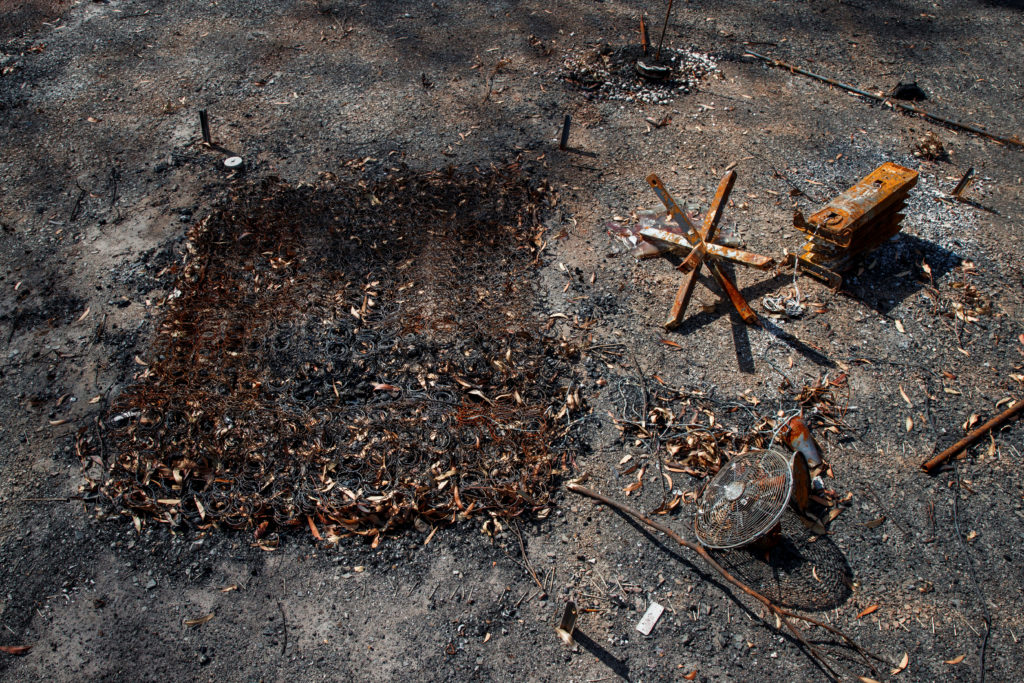
The effects of climate change are evident in recent events. Australia’s “Black Summer” in 2019 and 2020 scorched over 46 million acres. Pakistan’s floods in 2022 inundated a third of the country. Hurricanes Milton and Helene ravaged the southern United States in 2024. These examples show a pattern of increasing extreme weather. Despite this, many remain resistant to discussing or acting on climate change.
Persistent Challenges and Psychological Barriers
Many prefer not to address potential disasters, leading to inaction. Climate scientist Sarah Perkins-Kirkpatrick highlights the challenge of achieving net-zero emissions, noting that current carbon levels may take centuries to reverse. Yet, many ignore the warning signs, a behavior reinforced by psychological resistance to contemplating worst-case scenarios.
Global Unpreparedness and Future Risks
No country is fully prepared for a drastic climate change event. As Robinson’s book suggests, the risks of catastrophe are growing. Predictive models improve yearly, but pinpointing the exact timing of such events remains difficult. Sonia Seneviratne, a Swiss climatologist, compares climate risks to smoking, where the probability of negative outcomes increases even if not immediate.
Learning from Earthquake Preparedness
The earthquake preparedness in California provides a model for potential climate disaster readiness. Initiatives led by Lucy Jones resulted in improved preparedness measures in Los Angeles. Such proactive steps can inspire similar actions for climate change.
Portrayal of Climate Change in Media
Movies like “The Day After Tomorrow” and “Don’t Look Up” depict extreme weather scenarios with varying resolutions. These narratives often conclude with either total disaster or eventual recovery, emphasizing different aspects of public perception about climate change risks.
The Science: A Look at Current Projections
The likelihood of future catastrophic climate events is not in question, though the timing remains uncertain. Human activity has significantly contributed to greenhouse gas emissions, intensifying these risks. Tipping points, such as coral reef deterioration and the Amazon rainforest, highlight current environmental strains. The impending El Niño cycle could exacerbate these effects.
Tim Lenton, a climate science professor, underscores the necessity of discussing potential severe consequences. AP’s climate coverage aims to foster public and governmental awareness of these critical issues.