
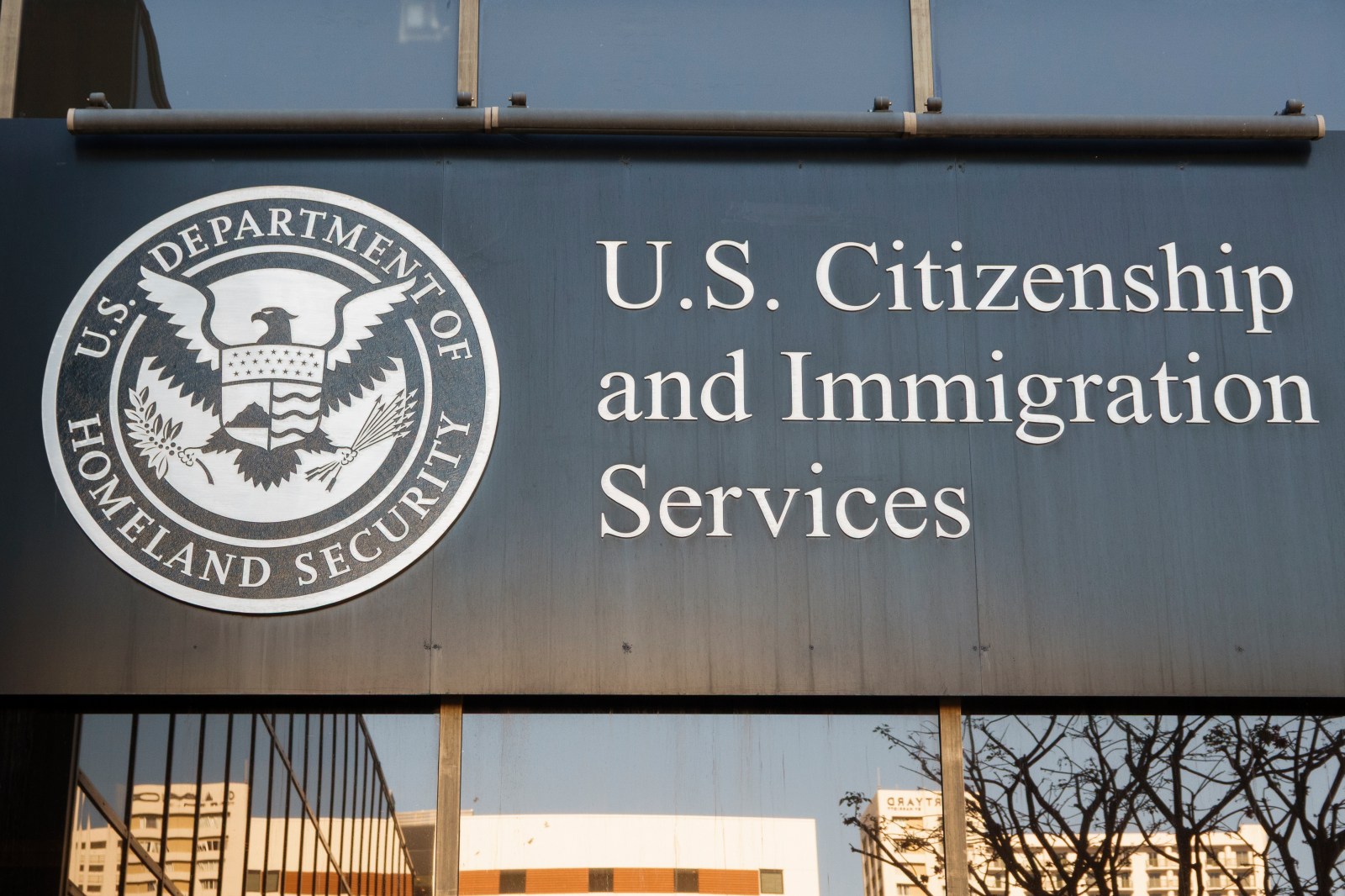
Beginning October 16, U.S. Citizenship and Immigration Services (USCIS) will adjust several immigration-related fees. These changes affect asylum seekers and applicants for work permits, parole, and Temporary Protected Status (TPS). The fee increases arise from inflation adjustments made under the One Big Beautiful Bill Act, signed into law by President Donald Trump in July 2025.
The Trump administration continues to tighten control over legal immigration, increasing costs for some immigrants filing applications. USCIS, part of the Department of Homeland Security, manages immigration benefits such as applications for immigration status and work authorization. Newsweek sought further comments from USCIS but has not yet received a response.
Fee Changes and Specifics
Under the new fee schedule, the annual asylum application fee will climb from $102 to $105. The immigration parole fee related to Form I-131 will rise from $1,020 to $1,050. This fee covers applications for travel documents, parole documents, and arrival/departure records.
For asylum applicants, parolees, and TPS recipients, the initial work permit fee will move from $560 to $570. The Form I-821 fee, used for TPS applications, will increase from $510 to $520. TPS provides temporary living and working privileges to nationals of certain countries experiencing armed conflict or environmental disasters. It does not grant permanent immigration status.
USCIS confirmed that TPS designations for Sudan and Ukraine will end on October 19, 2026. Recent guidance also states that El Salvador remains protected pending a DHS announcement. Additionally, the Trump administration has terminated TPS for several other countries, including Afghanistan, Haiti, and Venezuela, during 2025-2026.
Immigration benefit requests postmarked on or after October 16 must include the adjusted fee. Applications without the correct fee will be rejected. Though the increases are small compared to existing fees, they still present challenges. The asylum fee increases by $3, or 2.9 percent. The parole fee goes up by $30, also 2.9 percent. The work permit fee rises by $10, a 1.8 percent increase, and the TPS application fee sees a $10 increase, a 2 percent change.
Applicants filing before October 16 are subject to the prior fee amounts, while those filing after that date must adhere to the new rates. An asylum seeker facing both the annual asylum fee and the initial work permit fee would pay $675 under the new schedule, compared to $662 earlier.
Concerns and Context
Advocacy groups express concern that new fees add financial barriers for individuals seeking humanitarian protection. However, the administration argues these changes help cover rising costs of processing applications.
The fee updates coincide with the State Department’s release of the October 2026 Visa Bulletin, marking the start of the new federal fiscal year. Annually, new immigrant visa numbers become available in October, potentially enabling some employment-based applicants to advance in their application process after long waits.