
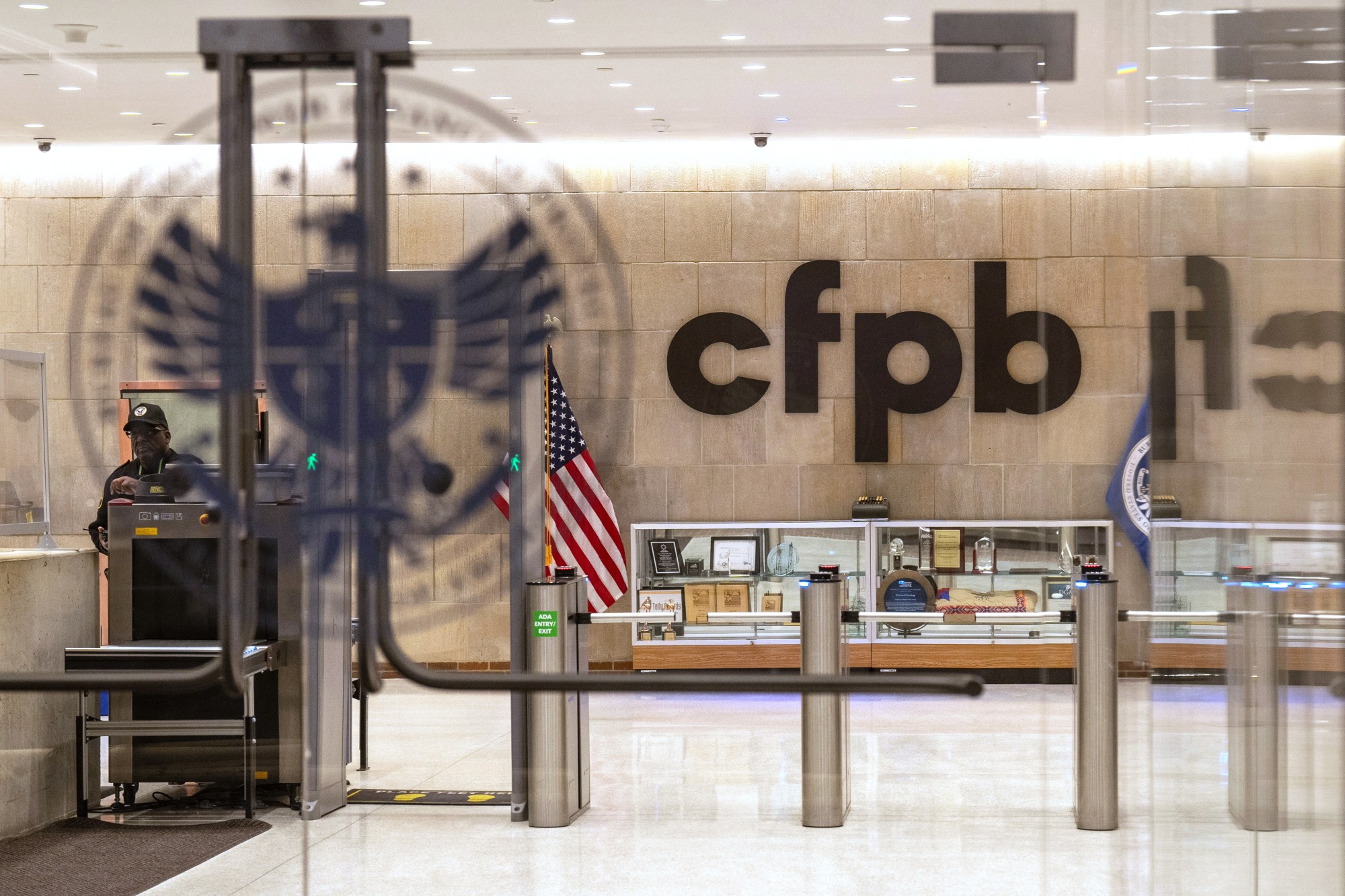
Fair housing organizations have filed a lawsuit against a recent federal rule change that they warn may roll back lending protections established over decades, potentially leading to discrimination against Black people, Latinos, and other minority groups. The lawsuit, filed in Washington, D.C., targets revisions made by the Consumer Financial Protection Bureau (CFPB) to the Equal Credit Opportunity Act. This act prevents lenders from discriminating against credit applicants.
One of the main concerns raised by the plaintiffs is that under the new rule, lenders are no longer required to consider ‘disparate impact.’ These are policies that seem neutral but disproportionately harm specific groups. The plaintiffs believe that this could lead lenders to concentrate loan marketing in predominantly white neighborhoods, leaving minority communities to depend on risky, high-cost loans with excessively high interest rates.
Lisa Rice, CEO and president of the National Fair Housing Alliance, one of the lawsuit’s plaintiffs, states that the CFPB’s actions represent a significant rollback of years of legal and regulatory progress on lending discrimination. ‘This is the deliberate dismantling of 50 years of legal jurisprudence, regulatory guidance, and bipartisan consensus that lending discrimination has no place in America,’ said Rice.
Paulina Gonzalez-Brito, CEO of another plaintiff, Rise Economy, criticized the CFPB for disregarding public input and longstanding legal precedents with its new rule. She stated that the rule contradicts the CFPB’s mission to prevent financial abuse and discrimination, potentially harming families and small businesses seeking fair financial opportunities.
The CFPB has not responded to requests for comments on the lawsuit. The plaintiffs believe that the rule change is part of a broader effort by the Trump administration to weaken regulations related to fair housing and lending protections. According to the National Fair Housing Alliance, the administration has proposed budget cuts for programs that support housing access for vulnerable groups and reduced staffing at relevant government agencies.
Recent legal settlements underscore that housing discrimination remains an issue. For instance, City National Bank was involved in a historical redlining settlement, agreeing to pay over $31 million after allegedly not underwriting mortgages in predominantly Black and Latino communities.
The plaintiffs urge the court to invalidate the rule, claiming it is arbitrary and exceeds legal authority. They argue the rule represents a departure from expert decision-making and historical enforcement of anti-discrimination laws. ‘The Final Rule is a drastic turn, without justification, from the CFPB’s (and its Federal Reserve Board predecessor’s) longstanding interpretation and enforcement of key ECOA provisions,’ they stated.