
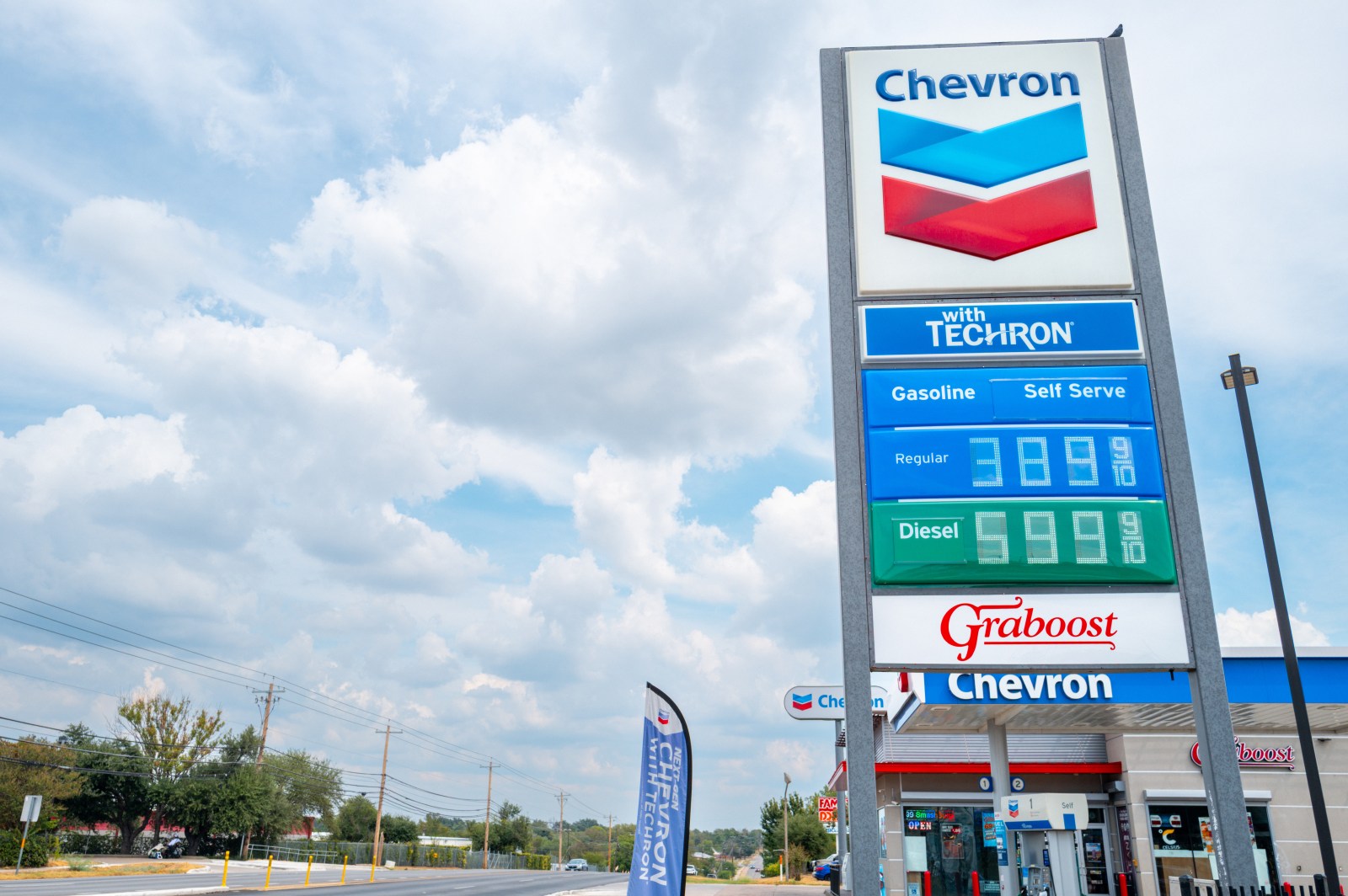
Multiple states are extending their moratoriums on fuel taxes as both households and the broader economy face rising costs due to the ongoing Iran conflict. According to AAA, as of Thursday, the national average for regular unleaded gasoline stands at $4.41 per gallon, while diesel costs $6.39. This is a significant increase from $3.16 and $3.71, respectively, a year ago. The Watson Institute of International and Public Affairs reports that American households have incurred over $122 billion in additional fuel expenses since the conflict began in late February.
In response to these pressures, and the potential impact on the 2026 midterms, numerous states have opted to lower or suspend their gas taxes. Indiana is among these states, with Governor Mike Braun, a Republican, announcing on Wednesday that the waiver on the state’s gas sales and excise taxes would be extended for another month. Initially declared as an “energy emergency” in April, this measure has been continuously extended. The current order, effective through October 5, will now last until November 4. Additionally, Braun has relaxed regulations on the use of dyed diesel to aid the agricultural and timber industries. He stated, “The added cost of fuel prices caused by continued disruptions to the global oil supply can make a major difference in our farmers’ success and their ability to put food on the table for their families,” on social media platform X.
In Indiana, the average gas price is currently $3.81, a noticeable increase from $3.07 a year ago, yet it remains below the state’s historical high of $5.24. The suspension of Indiana’s 7 percent gas sales tax began in April, followed by a freeze on the 36-cent-per-gallon excise tax in May, providing drivers with an approximate 61 cents reduction at the pump per gallon.
As October began, roughly a third of U.S. states have pursued various forms of tax-related relief due to the ongoing conflict and increasing fuel prices. Measures have included exemptions for specific sectors and comprehensive breaks on sales and excise taxes. Georgia was the first state to suspend its gas tax on February 28, an action that Governor Brian Kemp, a Republican, has extended until October 29. Kemp justified the suspension, stating, “Global markets remain unstable and are subjecting Georgians to unpredictable price shocks on basic goods and services, including but not limited to gasoline and diesel fuel prices.”
Ohio has also taken action, voting to implement a 90-day pause on gas and diesel sales taxes, which received strong bipartisan support. Governor Mike DeWine, a Republican, has expressed his intention to sign the bill, though he has previously warned that such measures could impact funding for the state’s transportation department.
Recently, governors in Alabama, Louisiana, and Texas have sought targeted fuel tax relief for farmers, who are experiencing higher diesel costs during the peak of crop-harvesting season.
Despite these efforts, several officials worry about potential budgetary challenges. New York’s Governor Kathy Hochul, a Democrat, noted that a prior gas tax suspension in 2022 had minimal effects because prices continued to rise. Hochul suggested that the federal government should suspend its own 18.4-cent-per-gallon excise tax, pointing to the previous administration as responsible for price increases.
President Joe Biden proposed suspending the federal gas tax “until it’s appropriate” in May, but this initiative remains unfulfilled with bipartisan efforts still stalled in Congress. South Carolina Governor Henry McMaster expressed opposition to suspending the state’s 28-cent-per-gallon gas tax in mid-September, citing long-term road infrastructure funding concerns against short-term relief.
Governor Braun acknowledged the revenue impact of Indiana’s fuel tax suspension, stating that an extension had provided over a billion dollars in savings for drivers. Braun maintained that the state’s healthy reserves made these savings possible.