
The Democratic Socialists of America (DSA) hold a certain resonance for the British audience. The parallels between their movement and past events in the UK are evident. The DSA shares familiar traits: moral certainty, demands for purity, perceived sympathies for terrorists, and belief in what is colloquially termed as ‘someone else will pay.’ The unfolding story foretells potential pitfalls for the Democratic Party if left unchecked.
In 2015, the UK witnessed a similar scenario. Labour, after repeated electoral setbacks, positioned lifelong socialist Jeremy Corbyn as a candidate for leadership, assuming his more extreme Marxist ideals were obsolete. This assumption was incorrect. Corbyn’s group, the Socialist Campaign Group, aimed to use democratic processes to spark a revolution, espousing many ideas that the DSA echoes today: opposition to Israel and NATO, a favorable stance toward Russia, ambivalence to Iranian entities, firm positions on gender issues, skepticism of law enforcement, strong union support, and aversion to large corporations.
Corbyn found backing from Marxist-Leninist groups external to Labour, much like the DSA aligns with hard-left organizations. Michigan Representative Rashida Tlaib, during her DSA convention address, highlighted the public’s desire for substantial transformation. Similarly, New York City Mayor Zohran Mamdani spoke enthusiastically of ambitious socialist goals.
A central tenet of Corbyn’s Labour was its anti-Zionism. Initially, the Jewish community in the UK believed dialogue with Corbyn was possible, similar to efforts by Jewish leaders in New York to engage with representatives like Mamdani. However, experience taught otherwise, as these perspectives proved rigid.
Michigan Attorney General Dana Nessel’s decision to skip the Democratic Party’s nominating convention due to fears of antisemitism underscores growing concerns. She anticipated facing hostility, based on past interactions.
Relations with Russia marked another shared facet. In 2018, following the poisoning of Sergei Skripal and his daughter in Salisbury, which also resulted in a British woman’s death, it was evident who the culprits were. Yet, Corbyn’s suggestion to involve Moscow in assessing the chemical agent led to ridicule. The DSA’s co-chair Megan Romer exhibited similar sentiments by questioning US financial aid to Ukraine and advocating for diplomacy with Russia, albeit in a simplistic view.
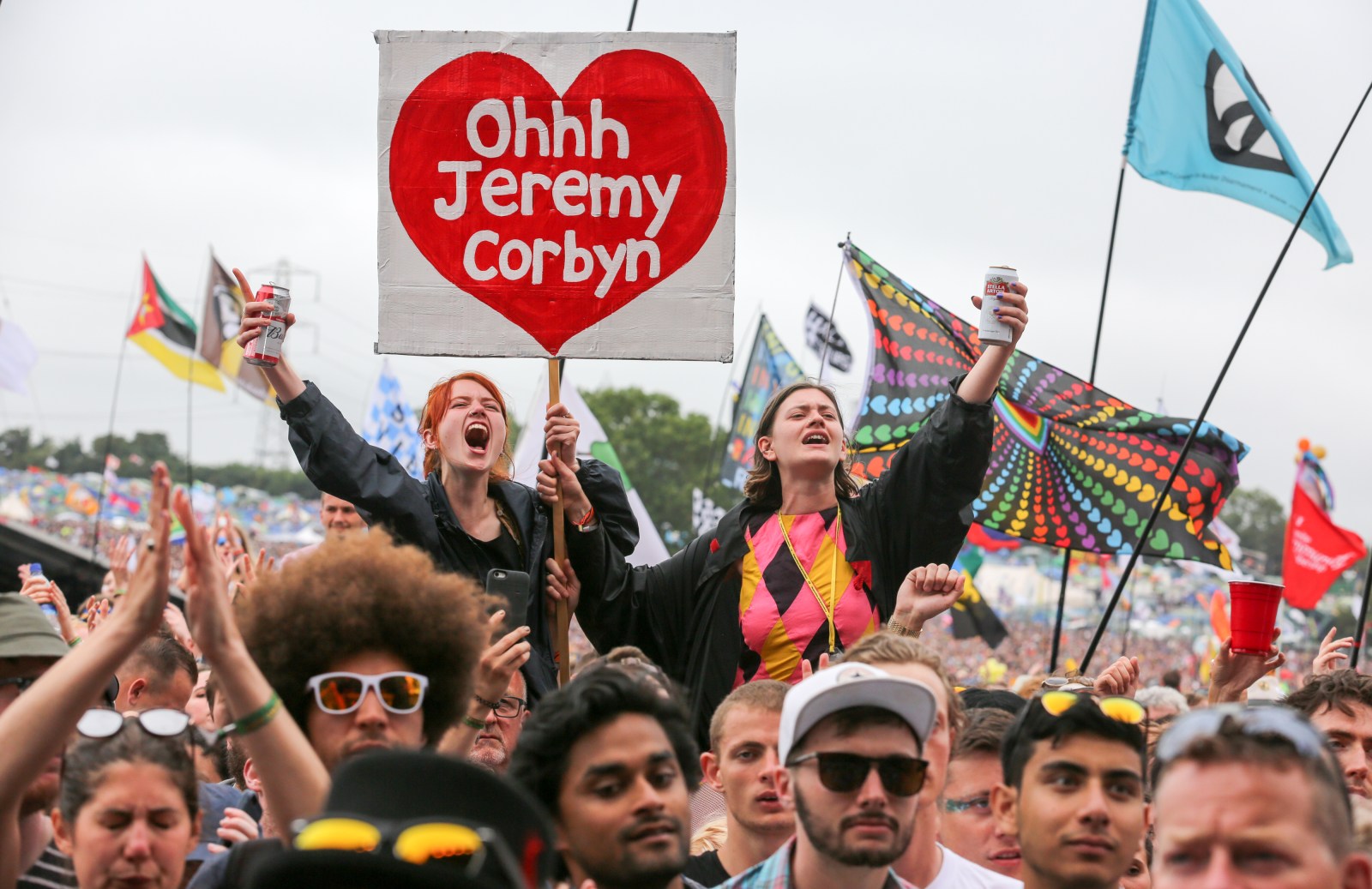
For many disillusioned voters, both Corbyn’s Labour and the DSA provided appealing alternatives to mainstream politics. While Corbyn lacked the charisma of figures like AOC or Mamdani, his grandfatherly appeal earned public trust. Celebratory chants for Corbyn at the Glastonbury Music Festival illustrated this.
The environments in Britain circa 2017 and the US approaching 2026 share striking similarities. As movements gained momentum, exposure to far-left ideology led to public disfavor. By 2019, Labour shifted from nearing electoral success to a significant defeat. Voters grew wary of policies advocating unchecked expenditure and controversial stances on Russia and Israel.
Youth turnout remained low. Lofty promises unmet by feasible plans eroded credibility. Over time, democracy and capitalism retained preference, offering more than Marxism despite their flaws.
The DSA’s influence seems to be rising, evident in primary poll success. Yet opinions like those of Francesca Hong–who controversially opposed Thanksgiving and supported police defunding–risk negative repercussions. Prominent figures’ retreat from radical positions, such as AOC’s distancing from extremist policies, hints at strategic recalibration.
Mainstream Democrats face a critical challenge. To counter the DSA’s growing influence and secure a triumph over potential challengers, the lessons from Britain’s experience are instructive. Recognizing the enduring drive of the far left is crucial, as is reinforcing centrism to withstand it. This endeavor is essential for survival in the political landscape.
Nicole Lampert is a London-based writer and commentator for publications like The Telegraph, Daily Mail, The Independent, and The Jewish Chronicle. These reflections are the author’s personal views.