
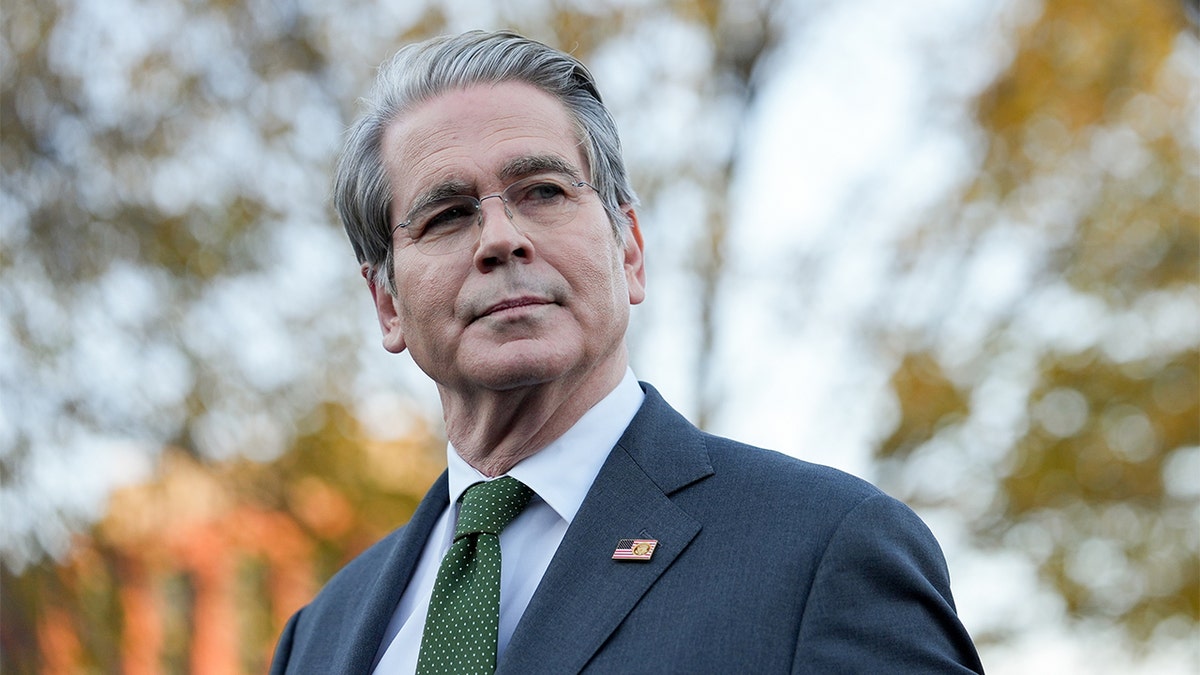
Former CIA station chief, Dan Hoffman, reviews the security threats from Iran that have led to Treasury Secretary Scott Bessent and his family moving to a military base. Hoffman explores allegations of Iranian cyberattacks in France and alleged cooperation between Iran and Russia to bypass U.S. military and economic sanctions.
Military bases around Washington, D.C., are increasingly becoming a refuge for top officials in President Donald Trump’s administration due to rising security threats. Dan Bongino, a former Secret Service agent and FBI Deputy Director, notes a rise in violence threats linked to Iran and public officials.
Treasury Secretary Scott Bessent is the latest to relocate to a military base after an online photo revealed his home’s location, amplifying security concerns. A senior administration official confirmed advanced threats from Iran against Bessent. Attorney General Todd Blanche also relocated to a military base earlier in the year.
The Iranian threats come amidst Iran’s alleged history of backing assassination plots against U.S. officials. Notable incidents include charges against a member of Iran’s Revolutionary Guard in a purported plot against former National Security Adviser John Bolton and allegations of an Iranian plan targeting Trump.
Bongino states federal protection decisions derive from threat assessments involving communications, online activity, and intelligence. Agencies evaluate these to decide necessary protection levels. Sean Curran of the Secret Service highlighted a 40% increase in threats against protectees, with about 10,000 cases reported in 2026.
The move underscores serious security concerns as Bessent and other officials adapt to military housing. Lawmakers express concerns over federal spending, questioning security arrangements and resource allocation. A Pentagon report on political appointee housing is under consideration.
Barry Donadio, another former Secret Service agent, believes the relocation indicates significant concerns regarding official safety. He suggests possible undisclosed threats may have been neutralized, leading to heightened protective measures.
Besides Bessent, other administration officials, including Secretary of State Marco Rubio and Secretary of Defense Pete Hegseth, reportedly reside on military bases. Decisions to relocate differ, with some linked to political violence and others to international threats like those targeting Bessent.
Bongino discusses how threats continue beyond tenure, citing personal experiences with similar situations. Current and former officials, aware of the risks associated with public service, have been taking precautions to address these threats.
Fort McNair, a longtime military base along the Potomac River, now houses senior administration officials. Its historical significance and residential quarters make it a choice location for government protection. The broader use of military housing for civilian officials prompts questions about approval processes, costs, and impacts on military infrastructure.