
As the prospect of a lockout looms over Major League Baseball, discussions rise about whether the Los Angeles Dodgers are impacting the sport’s integrity. Some argue the team is causing disruption, especially with Shohei Ohtani’s hefty $700 million contract that defers 97% of its total value. The Dodgers’ success is undeniable, having claimed back-to-back World Series titles and standing as favorites for a third.
Beyond championships, the Dodgers’ signing of top reliever Edwin Diaz and offering Kyle Tucker a groundbreaking $60 million annual average deal for a position player add fuel to the debate.
Alex Rodriguez Weighs In
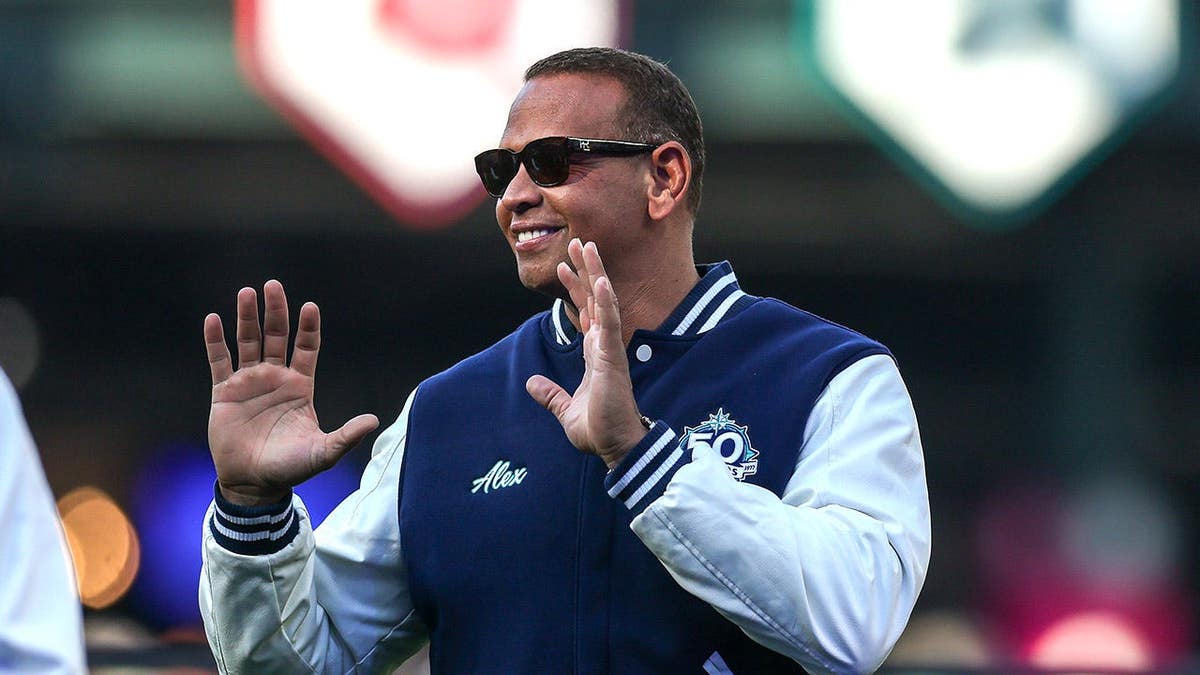
However, ex-major league slugger Alex Rodriguez disagrees with the negativity surrounding the Dodgers. Speaking to Michael Kay, Rodriguez reflected on similar situations in previous baseball eras, especially pointing to the New York Yankees’ financial dominance in the late ’90s and 2009.
In 2005, the Yankees’ payroll was $208.3 million, nearly double that of the Boston Red Sox’s $123.5 million, showcasing a historical precedent for high team expenditures.
Comparative Spending and Market Effects
Despite the Dodgers’ strategic contract deferrals, several teams remain competitive with tax payrolls exceeding $300 million, such as the Mets, Phillies, and Blue Jays.
Rodriguez emphasizes that the crucial issue lies in the spending’s effectiveness. He cites players like Trent Grisham and Ryan McMahon, who collectively earn $38 million yet perform below expectations with a .215 batting average and sub-.700 OPS this season.
Rodriguez argues for careful asset management, recalling how Gene Michael successfully retained key Yankees like Bernie Williams and Derek Jeter.
Teams with lower financial outlays, such as the Milwaukee Brewers (19th in tax payroll) and Tampa Bay Rays (27th), are achieving impressive records. Contrarily, franchises with top payrolls, including the Mets, Phillies, and Blue Jays, currently miss the postseason.
Salaries and Future Implications
As the current collective bargaining agreement edges toward expiration on December 1, players staunchly oppose playing under a proposed salary cap.
This marks the first formal offer of a salary cap since 1994, signifying potential shifts in MLB’s economic strategies moving forward.