
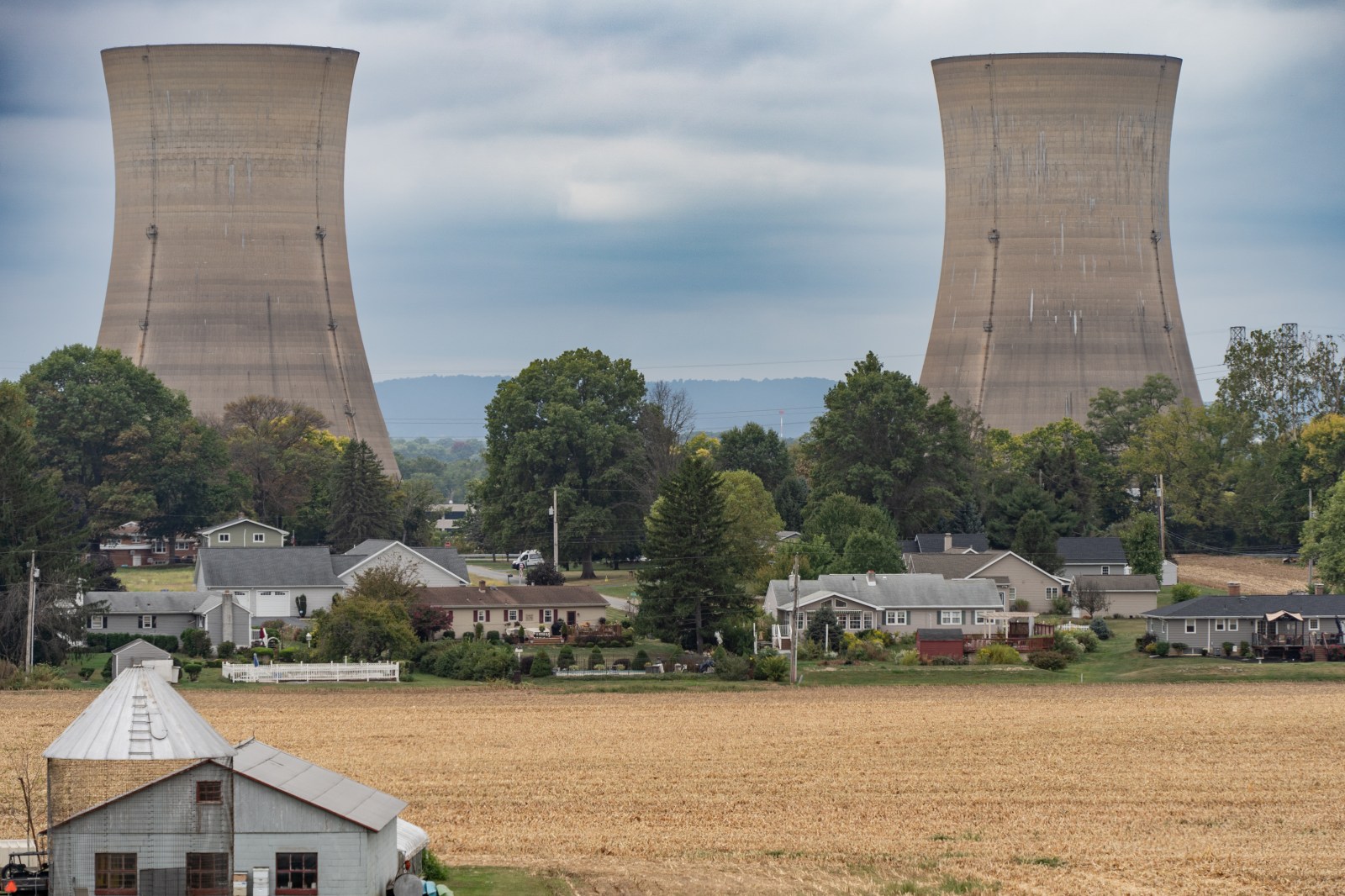
A nuclear microreactor project in Indiana signals a revival of nuclear power in the U.S., reshaping the energy landscape. On Wednesday, the Department of War announced plans to deploy the Navy’s first advanced nuclear microreactor at Naval Weapons Station Crane in Indiana by September 2028. This compact system aims to provide reliable electricity for military installations and strengthen energy resilience.
Emil Michael, Under Secretary of War for Research and Engineering, stated, “Under President Trump’s leadership, we are rapidly fielding next-generation energy solutions for our warfighters.” The reactor will enhance military installations with resilient infrastructure for uninterrupted operations.
Nuclear Projects Across the Country
The Indiana project joins other nuclear developments nationwide, including TerraPower Natrium in Wyoming, Kairos Hermes in Tennessee, and X-energy’s Xe-100 in Washington state and Texas. Additional projects like Palisades SMR in Michigan and KRONOS Micro Modular Reactor in Illinois are also underway. The Army’s Janus program plans multiple military microreactor projects at various forts.
Public announcements guide the map of new reactor sites, though early-stage projects or newly announced developments may be absent. Indiana’s microreactor doesn’t yet appear on CSIS’s Advanced Nuclear Deployment Dashboard but will be updated.
Reasons for Nuclear Comeback
After decades of skepticism due to accidents like Three Mile Island, Chernobyl, and Fukushima, renewed focus on climate change and energy security drives reactor development. Policymakers, utilities, and technology firms seek carbon-free electricity sources that operate continuously regardless of weather. Rising demand and grid reliability concerns push interest in advanced and small modular reactors.
President Trump included nuclear expansion in his energy policy. Executive orders signed in May 2025 accelerated reactor construction and strengthened nuclear fuel production. The military views nuclear power as a resilience tool, ensuring defense operations independent of the commercial grid.
Controversies Surround Nuclear Energy
Despite enthusiasm, nuclear energy faces opposition over waste storage, potential accidents, security risks, and high costs. Delays and cost overruns are noted in nuclear projects. However, advanced reactors offer new safety features, promising a safer and potentially cheaper alternative.
Public opinion appears to be shifting. An Echelon Insights survey in June 2026 found more support for nuclear plants than AI data centers among respondents. This suggests a complex attitude toward nuclear energy, viewed as potentially more favorable than infrastructure supporting AI.
Future Outlook
Completion of all planned projects remains uncertain. However, the planning, licensing, and construction of many reactors marks a reversal from a long slowdown following America’s major nuclear construction wave. The Indiana project highlights the resurgence of nuclear energy as a key component of power generation, industrial growth, and national security.