
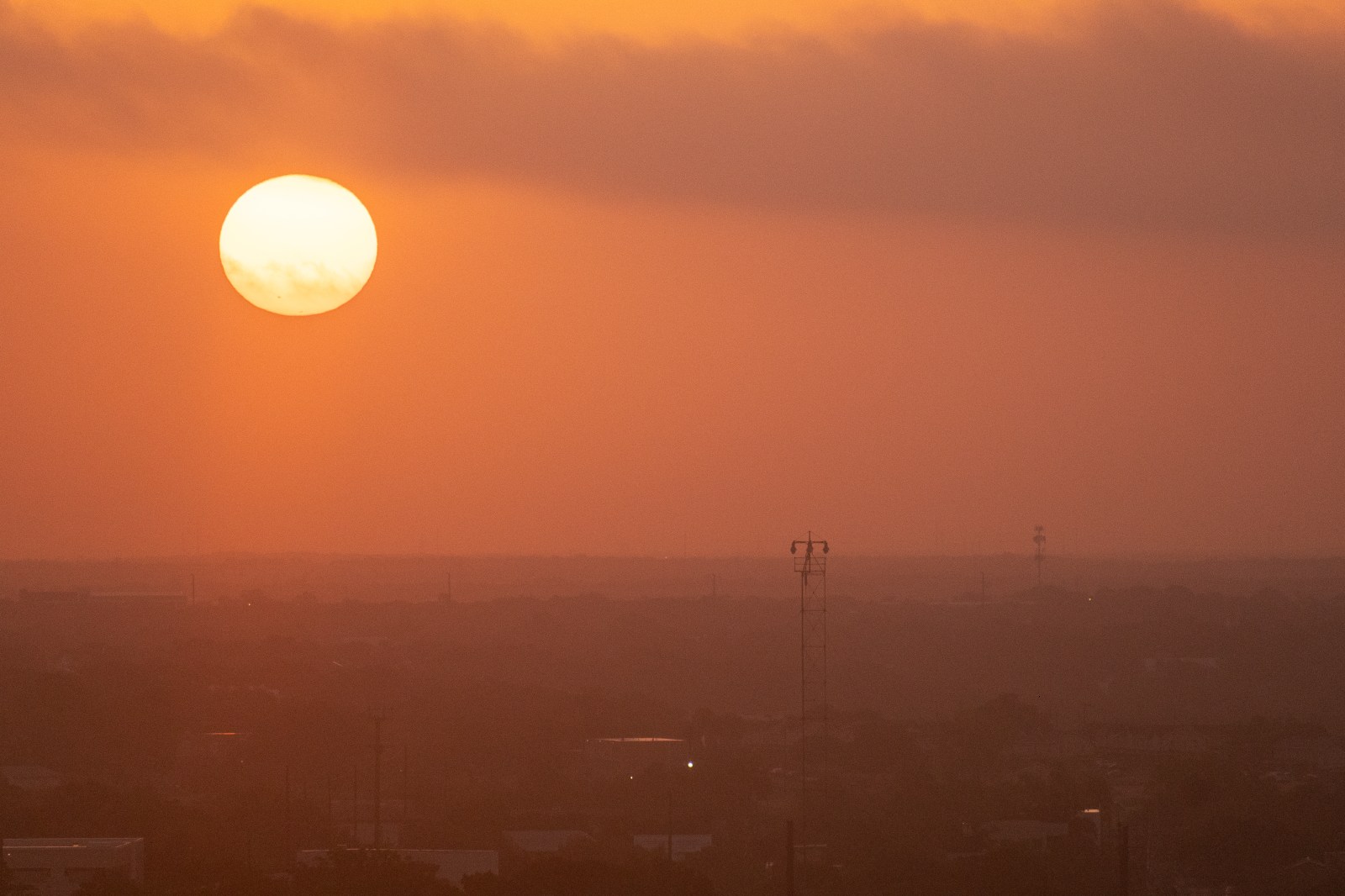
Heat Advisory Issued
The National Weather Service (NWS) in Glasgow has issued a heat advisory for eastern Montana, forecasting temperatures to soar into the triple digits early this week. This unusually severe early-season heat event could pose significant health risks. The advisory is active from noon to 9 p.m. MDT Tuesday, with temperatures potentially reaching 102 degrees. Affected areas include Daniels, Dawson, Phillips, Valley, Garfield, McCone, and neighboring counties.
Weather Conditions
Strong southeast winds up to 40 mph are expected near Fort Peck Lake, prompting a separate lake wind advisory. Hazardous conditions may occur on land and lakes, with potential five-foot waves. Residents should stay hydrated, limit sun exposure, and check on at-risk individuals.
Health Concerns and Acclimatization Challenges
The early heatwave is alarming, particularly for regions unaccustomed to such temperatures, thus increasing the risk of heat-related illnesses. The developing “super” El Nino could affect U.S. weather this summer, influencing various factors like precipitation, temperatures, and hurricane activity.
Comparative Temperatures
Triple-digit temperatures are relatively common in the southern U.S. by late spring. However, in eastern Montana, May typically sees highs in the low 70s. This abrupt heat poses a greater threat to northern populations without sufficient time to acclimate. Additionally, many homes lack air conditioning, which can further complicate heat management.
Do not leave young children and pets in unattended vehicles. Car interiors will reach lethal temperatures in a matter of minutes. Drink plenty of fluids, stay in an air-conditioned room, stay out of the sun, and check up on relatives and neighbors.
Potential Temperature Records
Several Montana cities might break temperature records, including Billings, which could exceed a 90-year-old record of 95 degrees. The heat not only threatens human health but also raises environmental concerns, such as the increased risk of wildfires and drought.
Wildfire Risks
Extreme heat, low humidity, and strong winds are expected to elevate wildfire risks, especially in drying grassland areas. Dry fuels can ignite more easily in such high temperatures. Activities like towing, machinery use, or discarding cigarettes could initiate fires. Early-season heat waves can hasten vegetation drying, potentially leading to more active wildfires later in the year.
Precautionary Measures
NWS officials advise caution during the advisory, recommending avoidance of outdoor burning and caution with spark-producing activities. Forecasters expect temperatures to peak Tuesday afternoon. While slight temperature easing may follow, above-average warmth may persist, according to NWS Climate Prediction Center forecasts, potentially through at least June 7.