
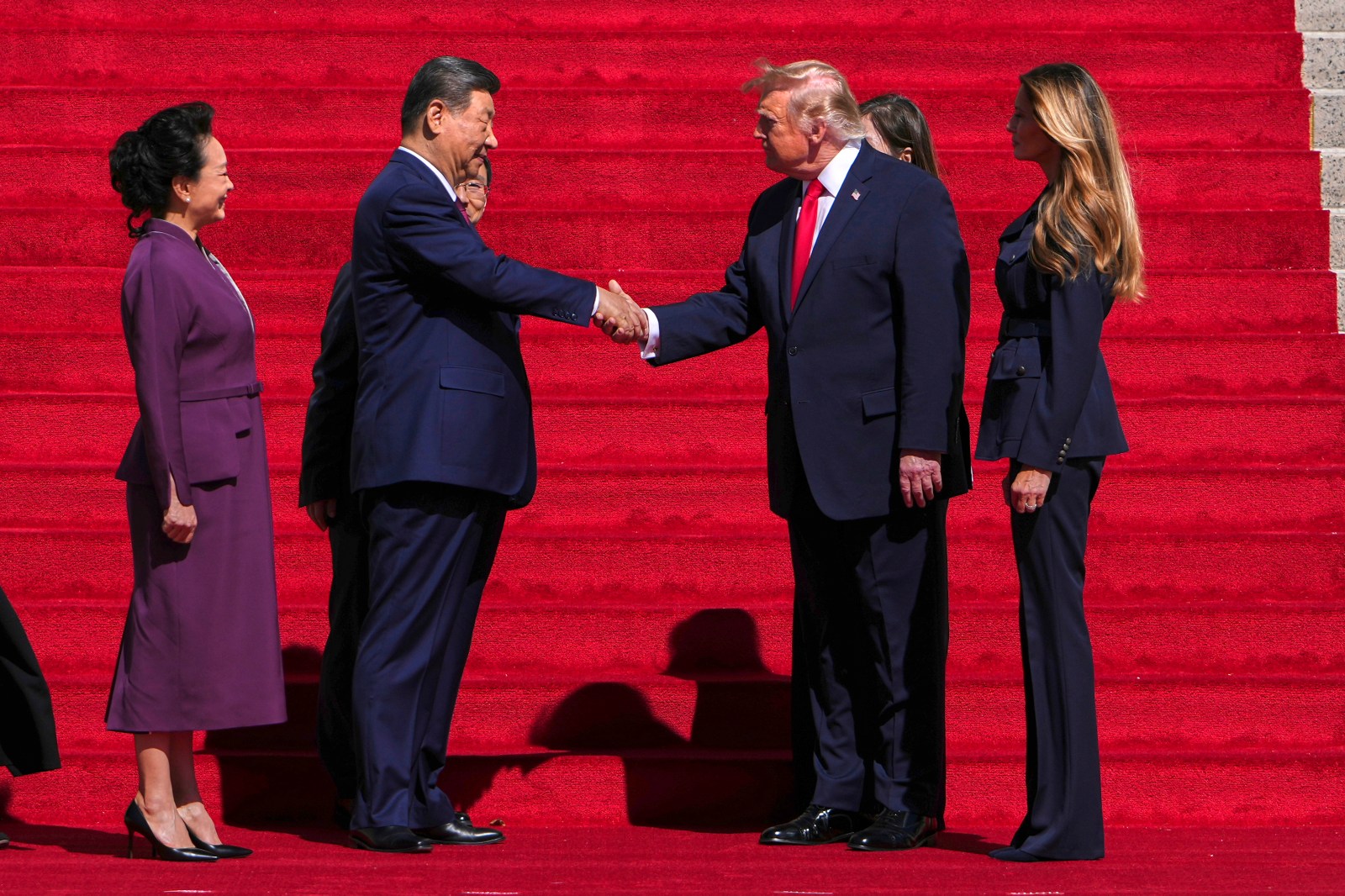
President Donald Trump has requested Chinese President Xi Jinping to boost Beijing’s output of certain petroleum products. This request comes as the White House faces high gas and diesel prices ahead of crucial midterm elections in November. According to a White House statement, Trump urged Xi to enhance the production of refined petroleum to stabilize global supply.
Global Supply Issues
The global energy sector has been under pressure since the onset of the Iran war, which began following U.S. and Israeli strikes on Tehran. Iran’s control over the Strait of Hormuz, a crucial oil passageway, has significantly choked global oil and gas supplies. Nearly seven months into the conflict, the U.S. and Iran have not reached a peace deal. Trump reportedly refused an Iranian proposal to reopen the strait quickly.
House Foreign Affairs Committee chairman Brian Mast expressed concerns over Iran’s role. He noted that if Trump could ensure China stops arming Iran, it would greatly impact global crude prices and benefit U.S. consumers at the pump.
Sanctions and Supply Constraints
In addition to the Iran conflict, Russia faces Western sanctions imposed after its invasion of Ukraine in 2022. Ukrainian attacks on Russian refineries have cut Moscow’s diesel production by nearly 30%, affecting exports.
China’s Role in Oil Exports
In March, Beijing restricted its gasoline and diesel exports to protect domestic reserves. By 2025, China’s oil stockpile had reached about 1.4 billion barrels. Experts suggest that releasing more of China’s fuel could ease global supply concerns. China relaxed its fuel export restrictions in the summer, leading to a 13% rise year-on-year in oil product exports, as reported by Reuters.
Impact on U.S. Households
High diesel costs have strained American households and businesses, with prices hitting nearly $6.50 a gallon, according to AAA. Although gasoline prices are high, they remain below diesel costs but continue to rise. AAA noted that seasonal factors usually lower gas prices in the fall, but ongoing issues in the Strait of Hormuz are influencing pump prices.
Political Implications
The rise in energy prices poses a political challenge for the White House, with Republicans preparing for the midterm elections. Trump downplayed the economic effects of the Iran conflict, despite his party’s suggestions to halt diesel exports and suspend gas taxes. Despite a Politico report suggesting a possible export ban, a White House official denied these claims.
Iowa’s Republican Senate nominee Ashley Hinson and Michigan candidate Mike Rogers both advocate for ending the Iran war to mitigate price hikes. Ohio Senator Jon Husted also linked his opposition to the conflict to rising gas prices.
U.S.-China Agreements at the Summit
The recent U.S.-China summit led to several agreements. The nations reached a consensus on a $30 billion tariff reduction. These developments followed the extension of a trade truce to January 2027. Both countries also agreed on discussions about artificial intelligence, referred to as “super intelligence,” set for November.
Additionally, China committed to importing a significant amount of U.S. coal over the next years. Both countries agreed Iran should never acquire nuclear weapons and discussed abating tolls on international waterways like the Strait of Hormuz.