
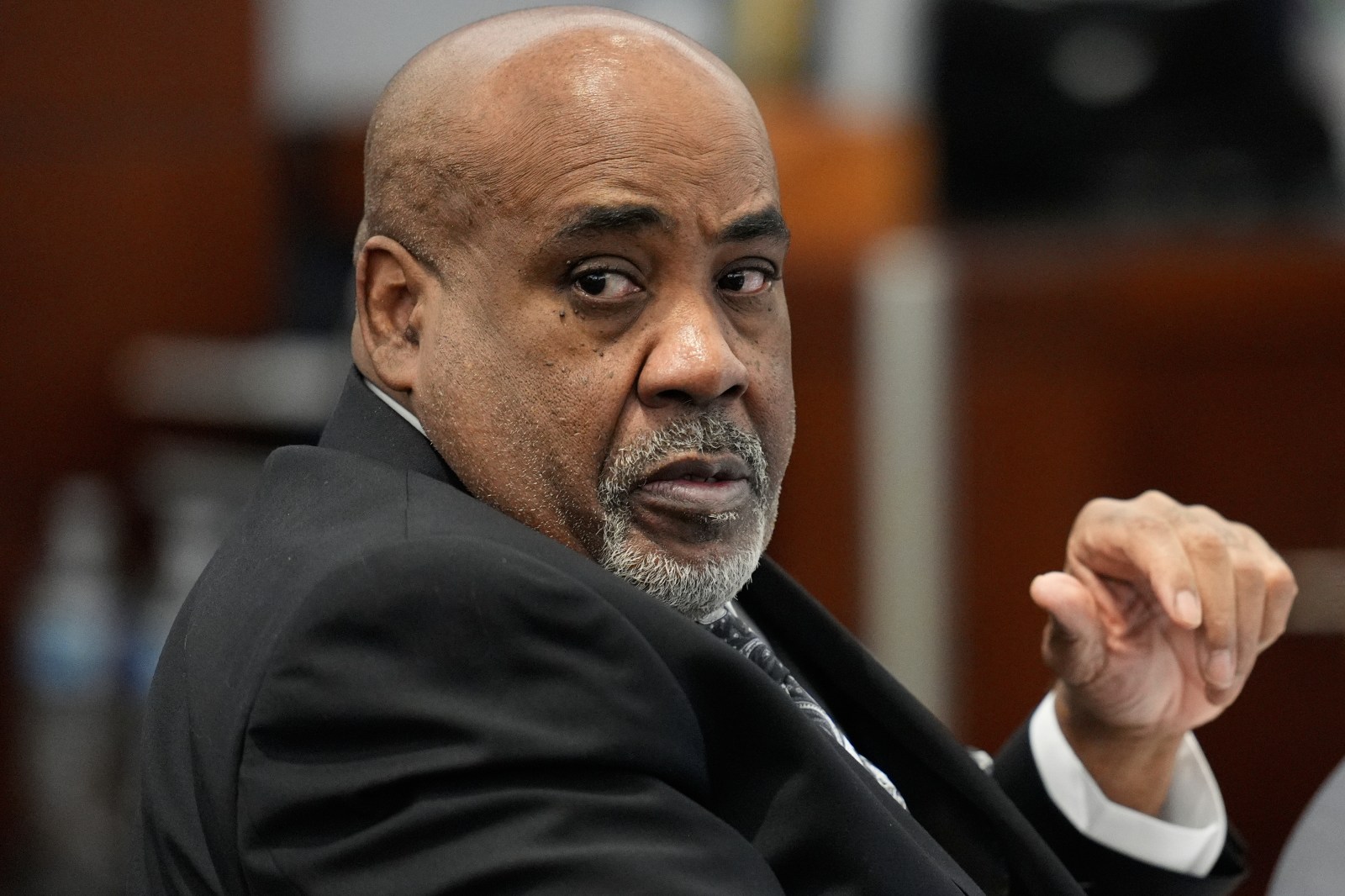
Nearly 30 years after Tupac Shakur was shot on the Las Vegas Strip, the murder trial of Duane ‘Keffe D’ Davis has brought one of the case’s most notable pieces of evidence under scrutiny: Davis’ memoir, Compton Street Legend.
Prosecution’s Use of Davis’ Memoir
During opening statements, prosecutors emphasized the book as part of a longstanding pattern of admissions in which Davis repeatedly described his involvement in the retaliation that led to Shakur’s murder. The prosecution’s argument centers around multiple statements Davis allegedly made over decades, including FBI interviews, public appearances, television documentaries, and his 2019 memoir.
Prosecutors maintained that while some parts of the book may involve ‘self-aggrandizement,’ its core account remained consistent with earlier statements made to investigators.
Defense’s Argument Against the Book
Davis’ defense, led by Michael Sanft, contested the reliability of the memoir. Sanft described Davis’ book as unreliable, self-promotional storytelling, arguing it should not be considered hard evidence. He cautioned jurors against assuming that claims made in a commercially published memoir are inherently true.
Sanft stressed that the state’s theory depends on decades-old statements never independently confirmed by physical evidence. He reiterated that Davis was not the alleged gunman, but rather orchestrated retaliation for the assault on his nephew, Orlando Anderson. The defense portrayed Davis’ memoir as fertile ground for exaggeration and mythmaking.
Prosecution’s Case Details
Prosecutors argued that Davis’ memoir mirrors the statements he made privately long before its publication. According to the state, Davis acknowledged key facts:
- His anger over the MGM Grand assault on Anderson.
- His acquisition of the weapon used for the search for Tupac and Suge Knight.
- His presence in the white Cadillac associated with the shooting.
- Motivations for retaliation following Anderson’s beating.
Prosecutors highlighted Davis’ repeated narrative across various interviews, suggesting jurors should deem these accounts credible.
Defense’s Counterpoints
The defense urged skepticism about the memoir’s contents, emphasizing the lack of independent physical evidence connecting Davis to the shooting after nearly three decades of investigation.
Sanft criticized investigators for treating the memoir as established fact without verifying claims independently. He suggested Davis had reasons to embellish, noting that the book was published after several people allegedly involved had died.
The Issue of Corroboration
The defense asserted investigators failed to verify some of Davis’ statements. Sanft pointed to a 2008 federal task force interview where authorities did not fully corroborate Davis’ alleged recognition of involvement in the shooting.
The defense questioned why no charges followed those interviews if authorities believed Davis had confessed to a role in the killing.
For prosecutors, the significance lies in the cumulative record of Davis’ accounts, depicting a consistent narrative across different platforms.
Viewing the Trial
Davis’ trial is being held in Las Vegas, featuring testimony from investigators and witnesses connected to Death Row Records, gang experts, and others linked to the decades-old case. Court proceedings are streamed live across media outlets, offering insights into the continued battle over responsibility for Shakur’s 1996 death.
Motive Behind the Killing
Tupac’s murder is often tied to a confrontation shortly before the shooting when surveillance captured Shakur and his entourage assaulting Orlando Anderson at the MGM Grand. Prosecutors claimed Davis organized retaliation for this public humiliation of his nephew.
Tupac’s Final Moments
Shakur was shot on the night of September 7, 1996, while in a black BMW driven by Marion ‘Suge’ Knight. The attack occurred near Flamingo Road and Koval Lane shortly after 11 p.m. Shakur was hospitalized for nearly a week before dying from his injuries on September 13, 1996, at 25 years old. Decades passed before Las Vegas prosecutors charged Davis.
The Biggie Smalls and Tupac Feud
The conflict between Shakur and Christopher Wallace, or Biggie Smalls, epitomized the East Coast-West Coast rivalry of 1990s hip-hop. After a shooting and robbery involving Tupac, he suggested Biggie knew more about the incident than he admitted. As tensions rose, the feud became a hallmark of the rivalry between Bad Boy Records and Death Row Records.
During opening statements in Davis’ trial, prosecutors referenced ties between South Side Compton Crips members and those linked to Bad Boy Records, providing context for events surrounding Tupac’s murder.
Moving Forward
The jury will consider whether Compton Street Legend is a genuine insider confession aligning with prior statements or sensational memoir filled with exaggeration and unsupported claims.