
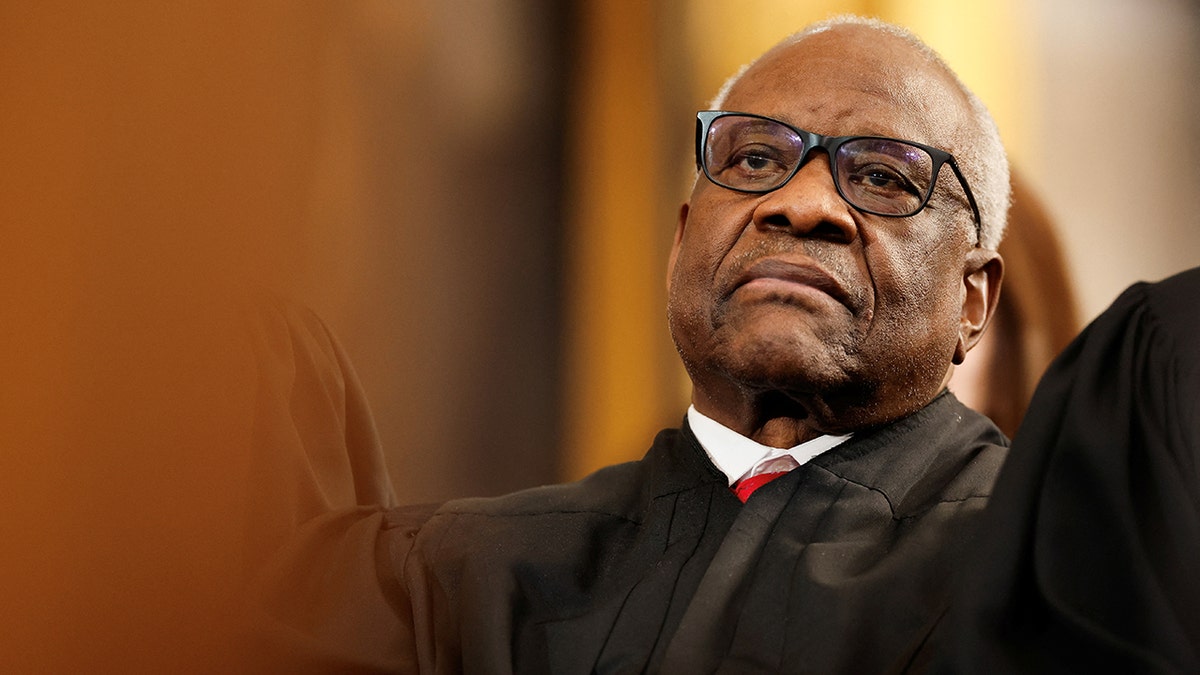
Justice Clarence Thomas expressed concerns on Monday that the Supreme Court’s decision could allow states to compel speech from private individuals. The court refused to hear a challenge to a California law.
The case involved a California physician who claimed the state forced her to make statements she disagreed with in a mandatory course for doctors. Justice Samuel Alito joined Thomas in dissenting, warning of broader implications beyond medicine.
California mandates that licensed physicians complete 50 hours of state-approved continuing education every two years. These courses must include lessons on implicit bias, either demonstrating its impact on medical decisions and health outcomes or offering strategies to address biases contributing to healthcare disparities.
“When, as here, the government does not issue its own messages but instead requires private speakers to communicate the government’s viewpoint, the First Amendment applies,” Thomas wrote. “A State cannot regulate its way out of First Amendment scrutiny.”
Dr. Azadeh Khatibi, a continuing education instructor, sued California alongside the nonprofit Do No Harm, claiming the state compels instructors to convey a state-preferred message against the First Amendment. She opposed discussing implicit bias, arguing it was irrelevant to her topics and disagreed that it drives healthcare disparities.
California defended its stance, noting instructors are not obligated to personally endorse implicit bias but must include it due to state regulations. The Ninth Circuit ruled that these courses are government speech, thus exempt from First Amendment scrutiny.
Thomas challenged California’s classification, arguing the requirement forces instructors to affirm the state’s view on implicit bias and its effect on health disparities.
“What of other professions whose members California licenses and regulates?” Thomas queried, extending concerns to other fields beyond medicine.
Justice Neil Gorsuch also dissented, seeking to hear the case, though his reasons remain undisclosed. The Supreme Court’s decision upholds the Ninth Circuit’s ruling but leaves unresolved whether California’s requirement breaches the First Amendment.