
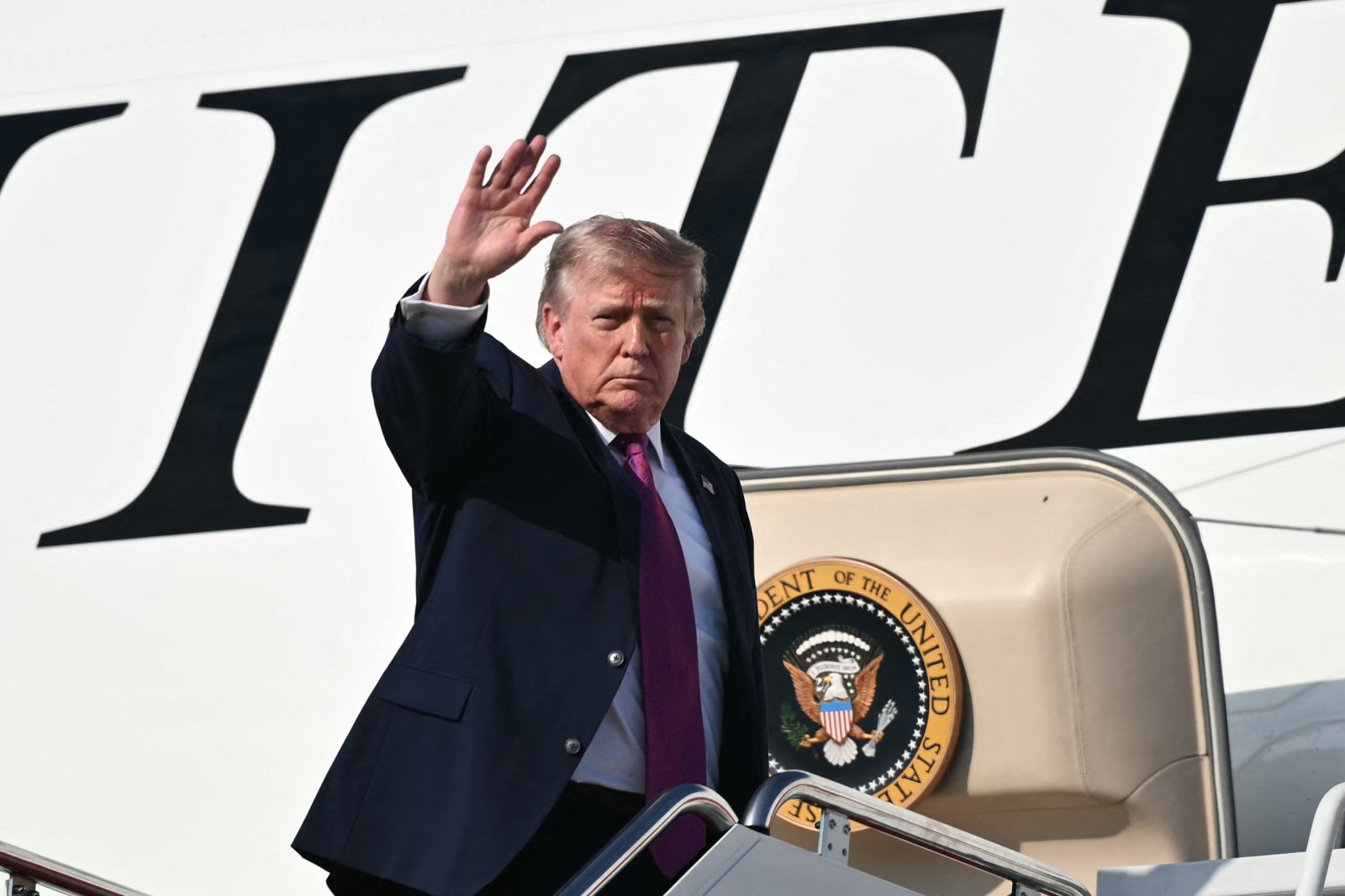
Former President Donald Trump has granted pardons to people he claimed were unfairly targeted by the previous administration under President Joe Biden. Trump announced the pardons on Truth Social, stating, ‘It is my Great Honor to have just signed Pardons for six people who were persecuted by the Biden Administration, and were in, or being sent to, prison, for ‘fixing their car.’ He further expressed that these cases were examples of government overreach during Biden’s tenure.
Clearing Emissions-Related Convictions
The pardons largely helped business owners and truck mechanics convicted of violating federal emissions-control regulations. Trump’s administration argued these individuals faced excessive scrutiny due to environmental policies introduced during Biden’s presidency. Those pardoned were involved in modifying vehicles, such as Joshua Davis, Matt Geouge, Jonathan Achtemeier, Tim Clancy, Ryan and Wade Lalone, Barry Pierce, Aaron Rudolf, and Mackenzie Spurlock. They were accused of bypassing emissions-control systems, which the administration described as undue enforcement actions that adversely impacted small businesses and the auto industry.
Following the pardon announcement, Trump issued a memo to the Environmental Protection Agency stating Americans should have the freedom to repair their vehicles as they wish.
Trump’s Stance on Federal Regulation
In announcing the pardons, the White House emphasized Trump’s efforts to lift regulatory burdens on consumers, citing these cases as instances of excessive federal regulation. Trump claimed on social media that those convicted were victims of what he viewed as a politicized government under the Biden administration. Some pardoned individuals were involved in selling or installing equipment that disabled vehicle emissions systems, a practice opposed by federal prosecutors due to its potential environmental harm.
Clemency Beyond Environmental Issues
Trump’s clemency extended beyond emissions cases. He pardoned Adam Kidan, a former business partner of lobbyist Jack Abramoff. Kidan’s earlier conviction in 2005 involved fraud and conspiracy linked to buying gambling boats. The White House highlighted Kidan’s success in building a staffing business and maintaining a productive record post-conviction since serving nearly six years in prison.
Another pardon went to ranch owner Jack Harvard, recognized for allowing military and NATO training on his property for free. The administration did not detail Harvard’s original offense.
Understanding the Clean Air Act
The Clean Air Act is the primary U.S. law for air pollution control. Initially enacted in 1970, it empowers the Environmental Protection Agency to manage pollution from diverse sources, including vehicles. The Act mandates national air quality standards and requires vehicle manufacturers to install emissions-control devices that mitigate harmful pollutants. Disabling or bypassing these systems is typically illegal, as such actions can significantly increase emissions that contribute to health issues and environmental damage.
Trump’s Ongoing Deregulation Efforts
These pardons are the latest in Trump’s clemency actions during his second term, mostly benefiting individuals whose cases align with his critiques of federal law enforcement. This includes allies, high-profile figures, and others, such as January 6 Capitol riot defendants and anti-abortion activists. Critics argue these pardons suggest political motivations and question the integrity of the justice system.
Broader opposition maintains that many environmental regulations aim to mitigate pollution, safeguard public health, and address the enduring impacts of climate change.