
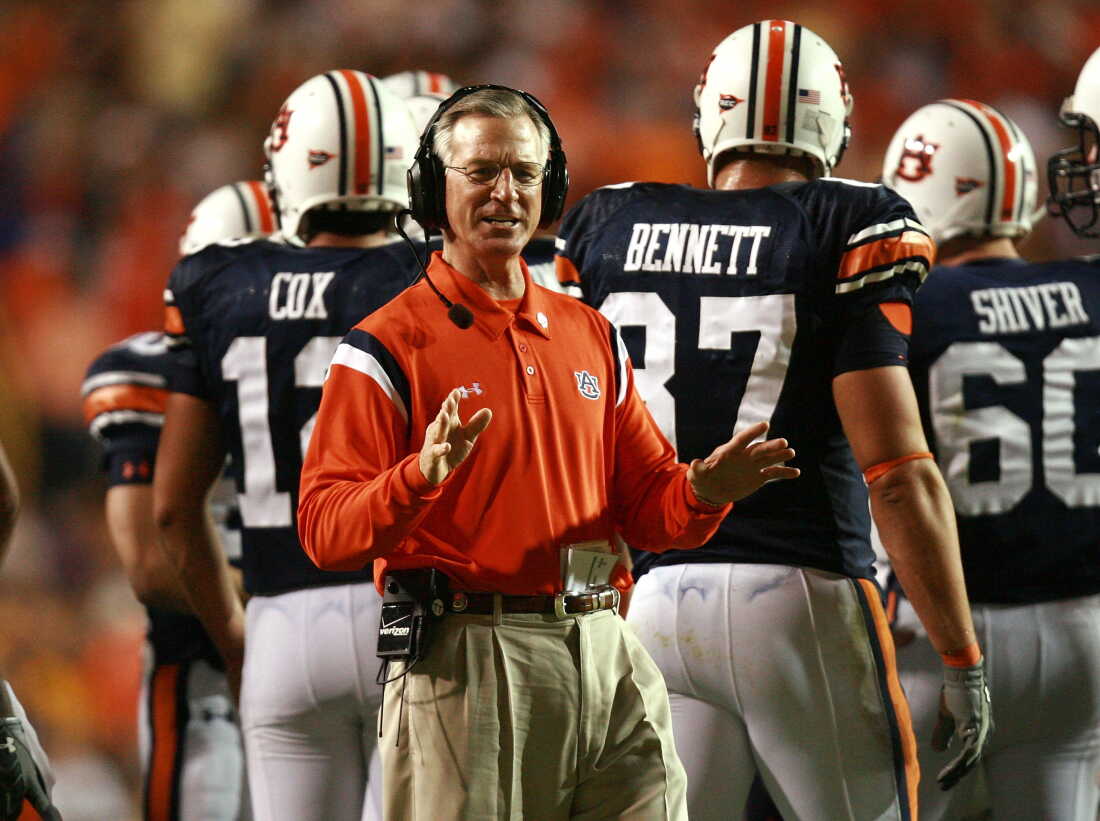
Tommy Tuberville, a former Auburn football coach, led the team to an undefeated season in 2004. He is now an Alabama Republican senator championing the Protect College Sports Act in Congress. Tuberville is part of a group of former collegiate athletes in the Senate shaping this legislation.
Supporters of the Protect College Sports Act aim to address perceived chaos in Division I athletics, marked by rising athlete pay, unlimited transfers, eligibility lawsuits, and expanding athletic budgets. Over six senators were NCAA Division I athletes, with others having participated in Division II or in sports governed by other organizations. Their experiences in sports influence their perspectives on this bill.
Tuberville’s extensive time in college sports drew attention. He played Division II football at Southern State and coached at Ole Miss, Auburn, Texas Tech, and Cincinnati. Tuberville retired in 2016, soon after a lawsuit by former UCLA basketball player Ed O’Bannon challenged NCAA amateurism traditions. This led to notable changes in college sports, such as name-image-likeness (NIL) payments transforming athlete earnings, especially in high-revenue sports like football and basketball.
Senator Tuberville stated the need for change, recognizing athletes finally earning money alongside schools, networks, and coaches. Despite initially opposing the Protect College Sports Act, regarding it as government overreach, Tuberville changed his position. The act aims to grant the NCAA a limited antitrust exemption, reinstating the five-year eligibility rule and regulating athlete transfers. Tuberville acknowledged the importance of developing athletes over a period rather than losing them after a season.
Other senators with sports backgrounds include Jim Justice (golf at Marshall), Ron Wyden (basketball scholarship at U.C. Santa Barbara), and Dave McCormick (co-captained wrestling at West Point). Cory Booker played tight end at Stanford from 1987 to 1990, a period when college football’s big money era began. Booker noticed economic disparities among teammates and the lack of resources for athletes compared to the benefits universities, TV contracts, and coaches received.
Senator Maria Cantwell released a report highlighting massive spending increases from 2005 to 2023 in college athletics. Booker criticized the bill’s tendency to favor wealth preservation and burden college athletes, proposing amendments like limiting coaches’ salaries to $5 million. Major provisions include increased player revenue sharing, NIL deal regulations, agent pay caps, and measures protecting women’s and Olympic sports.
Senator Eric Schmitt, a former athlete in football and baseball, co-sponsors the bill after altering his stance on federal involvement. His collegiate sports experience affects his legislative approach, encouraging perseverance through challenges. Schmitt emphasizes bipartisan support as the bill nears a Senate vote, with substantial backing anticipated.
The Senate vote on the Protect College Sports Act is scheduled for Monday at 5:30 pm Eastern time. Although President Trump supports this reform, its future in the House remains uncertain, aligning with the November midterms recess.