
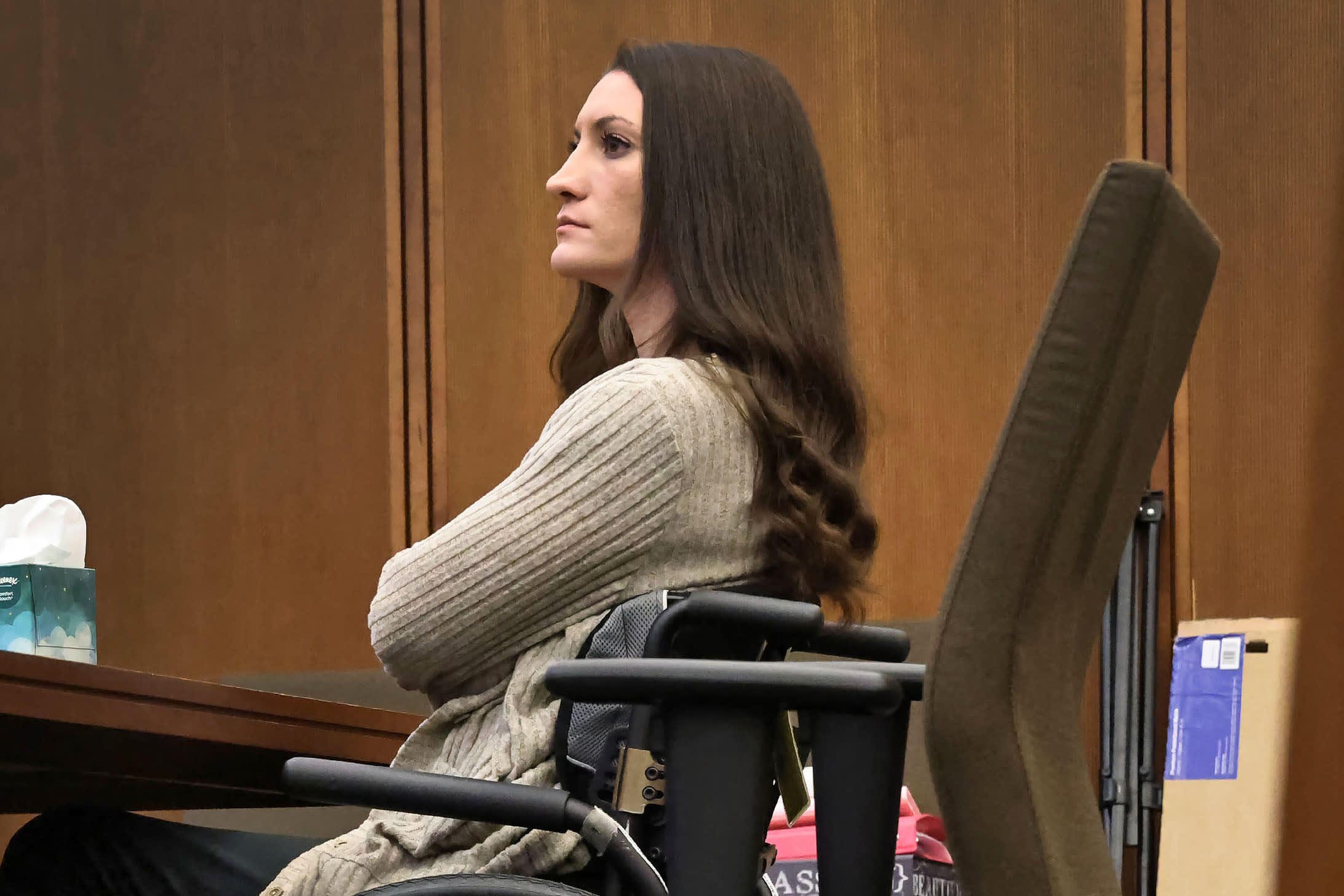
The presentation of evidence concluded in the murder trial of Lindsay Clancy today. Clancy is accused of killing her three children—Cora, 5; Dawson, 3; and Callan, 8 months—at their home in January 2023. A significant focus of the trial has been on Clancy’s mental health.
Key Issues in the Trial
Prosecutors argue that Clancy deliberately killed her children. In contrast, Clancy’s defense asserts she was suffering from postpartum psychosis, rendering her incapable of understanding the wrongfulness of her actions. The prosecution’s witnesses attempted to refute the claims of postpartum psychosis and questioned Clancy’s account of being ordered by a voice to harm her children.
Patrick Clancy, her husband, and other friends and family testified in support of Clancy’s character, describing her as a dedicated mother. The trial, spanning five weeks, garnered widespread attention, influencing discussions on maternal healthcare.
Ongoing Developments
Defense attorney Kevin Reddington finished questioning the final witness, forensic psychiatrist Gregory Saathoff. Reddington challenged Saathoff using prosecution statements to suggest that Clancy manipulated her treatment providers. Saathoff responded that such statements reduce the complexity of Clancy’s condition.
“The homicidal ideation was voiced to her husband and her mother.”
Reddington focused on evidence related to Clancy’s alleged suicide attempt using crushed pills in lemonade. He questioned Saathoff about investigative processes surrounding the pills, noting a lack of police inquiry into the substance.
Final Examination and Aftermath
During the trial’s final day, questions arose regarding Clancy’s decision to refuse medication due to potential skin reactions, a decision Saathoff attempted to rationalize. The defense interrogated Saathoff on his professional background, specifically his experience with postpartum psychosis, suggesting a limited scope of expertise.
Saathoff concluded that Clancy possessed the capacity to distinguish right from wrong, evidenced by her actions before the children’s deaths and her conscious choice of murder instruments. This statement supported the prosecution’s intent to prove Clancy’s conformance to legal awareness.
Court Session Dynamics
Throughout the day, court proceedings included brief recesses, with notable distractions such as a woman’s entry accompanied by a dog. Clancy’s parents were present but showed no visible reaction to the testimonies shared.
Broader Implications
The trial reflects on broader questions regarding criminal responsibility linked to mental health conditions, particularly postpartum psychosis, and highlights potential deficiencies in maternal healthcare services.
Dr. Jennifer Tufts, who supervised Clancy post-childbirth, is scrutinized for treatment gaps.
The trial resumes with closing arguments, set for the following day, while observers like Nichelle Milford Cook continue evaluating Clancy’s mental health care trajectory seeking improvements in postpartum systems.