
Background
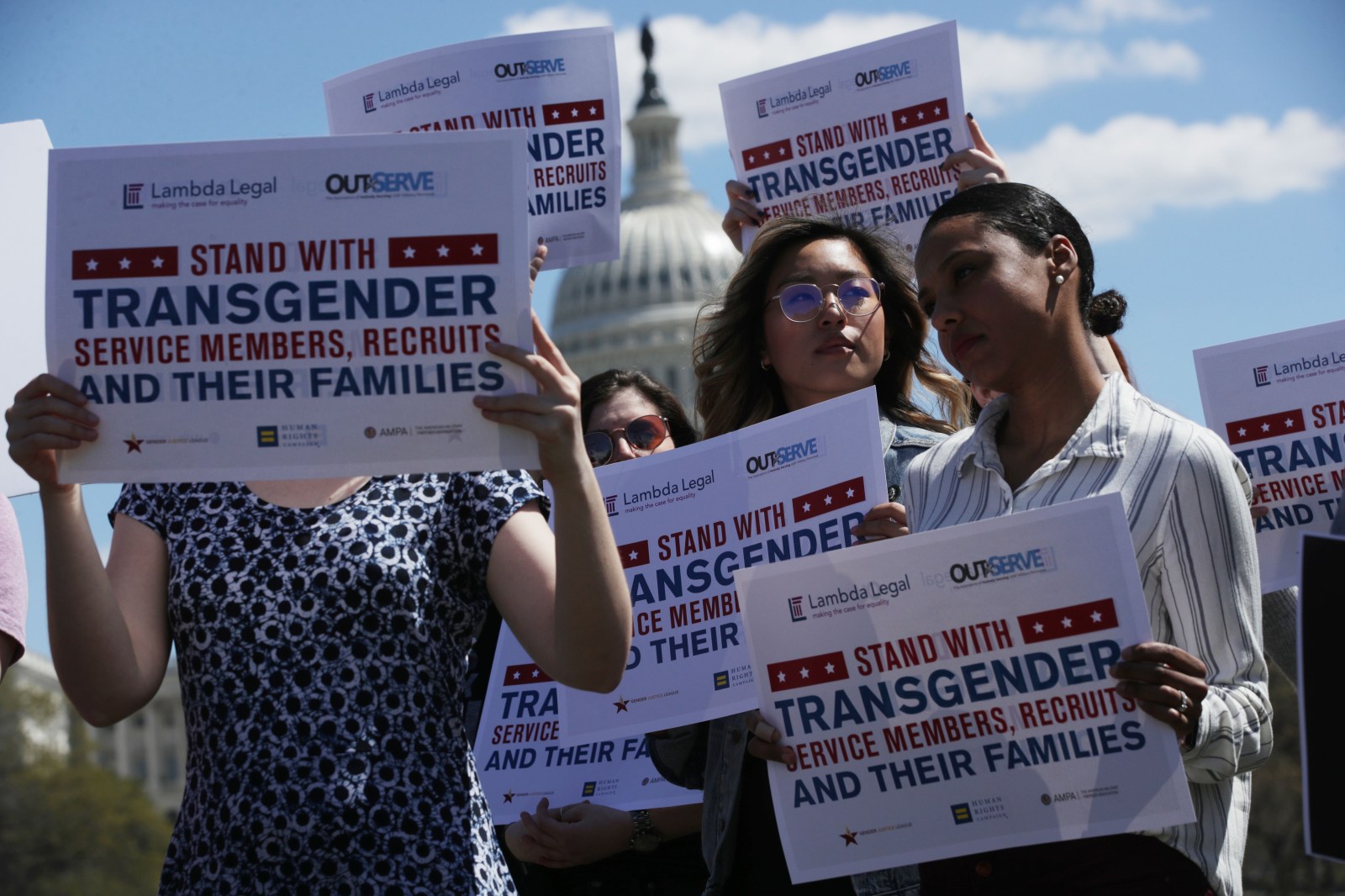
A group of 17 transgender veterans and service members is involved in a legal battle to regain retirement benefits they allege were improperly revoked under the Trump administration’s policy on transgender military service. The U.S. Court of Federal Claims recently heard arguments that will decide whether the Air Force unlawfully rescinded early retirement approvals for transgender troops following President Donald Trump’s order limiting transgender military participation.
The plaintiffs assert, ‘The Air Force abruptly reversed that promise without cause, eliminating crucial financial support and benefits these service members earned, which their families relied on.’
Impact of the Lawsuit
This lawsuit is significant because it will determine whether the affected service members will receive military retirement pensions and health benefits they secured through years of service. For those approaching retirement, the decision has substantial financial implications. Plaintiffs face the loss of lifetime retirement income and health care benefits, having served for over 15 years.
Case Details
Titled Ireland v. U.S.A., the lawsuit involves 17 transgender service members and veterans from the Air Force and Space Force. Court documents reveal each had a minimum of 15 years of military service when they applied for early retirement following the enactment of Trump’s transgender troop ban. Plaintiffs claim the Air Force initially approved retirements under the Temporary Early Retirement Authority (TERA) program, which were later rescinded. The lawsuit argues these orders were legally authorized and shouldn’t have been revoked.
Prominent plaintiff, former Air Force Master Sergeant Logan Ireland, is an Afghanistan veteran who contends the government actions have stripped away benefits essential for their planned future. Ireland stated, ‘I served my country honorably for 15 years.’ The revoked promise of retirement affects far more than just a paycheck; it impacts housing, healthcare, family stability, and financial security.
Focus of the Recent Hearing
The hearing concentrated on the government’s request to dismiss the case. Federal attorneys argued the Court of Federal Claims lacks jurisdiction over the dispute. Conversely, plaintiffs’ attorneys claimed the court could handle cases involving military pay and retirement benefits.
The heart of the dispute concerns Trump’s January 2025 executive order reversing the previous administration’s policy allowing transgender troops to serve openly. It declared that service members identifying with a gender different from their biological sex did not satisfy military standards. Defense Department guidance then targeted troops with gender dysphoria for military separation.
Plaintiffs intended to retire early rather than face separation and assert they received approved retirement orders that were later retracted. The revoked retirement benefits could mean losing millions over a lifetime, according to Alex Beene, a financial literacy instructor.
Beene added, ‘If benefits can be rescinded after the fact, it raises questions about whether service members can rely on promises made to them when policies shift.’
Ongoing Legal Challenges
This lawsuit is part of several legal challenges regarding transgender military service. A federal appeals court in June determined Trump’s policy likely unconstitutional, allowing some active-duty plaintiffs to continue serving amid ongoing litigation.
Despite unresolved broader legal disputes, this specific case centers on whether the government can retract promised retirement benefits. Michael Ryan, a finance expert, emphasizes it’s more about government accountability than service eligibility. Ryan explained, ‘The question is whether the government can revoke earned retirement promises without consequences.’
Future Developments
The Court of Federal Claims needs to decide on the government’s dismissal motion or allow the lawsuit to continue. If the court maintains jurisdiction, it will examine claims that the Air Force unlawfully revoked approved retirements, depriving plaintiffs of retirement pay and benefits.
Should plaintiffs succeed, it would reinforce that federal promises can’t be revoked due to political changes. Ryan added, ‘This case could obligate the government to honor commitments or cover damages.’