
Introduction to the U.S.-Israeli Conflict with Iran
The recent turmoil between the U.S., Israel, and Iran has led President Donald Trump to reconsider a memorandum of understanding (MoU) formulated weeks ago with the aim of fostering peace with Iran. This MoU initially showed promise by alleviating tensions, such as lifting blockades on the energy trade through the Strait of Hormuz and extending a ceasefire declared in the conflict’s sixth week on April 7. Nevertheless, fundamental issues remain unresolved as both nations wrestle with mutual distrust and interpret the MoU’s content differently.
The Memorandum of Understanding (MoU)
The MoU aimed to prioritize economic relief while postponing discussion on sensitive topics like nuclear policy. As Naysan Rafati, an Iran senior analyst at the International Crisis Group, mentioned, “The MoU deferred some of the most contentious issues between the U.S. and Iran—including the nuclear file—while prioritizing an easing of economic disruption.” Despite its reasonable concept, differing interpretations have led to significant points of failure.
Comparisons with the Joint Comprehensive Plan of Action (JCPOA)
This recent diplomatic effort has drawn comparisons to former President Barack Obama’s nuclear agreement, the Joint Comprehensive Plan of Action (JCPOA) finalized in July 2015. The JCPOA lifted sanctions against Tehran in exchange for restricting its nuclear program, but was discontinued by Trump in May 2018. As the 11th anniversary of the JCPOA approaches, the MoU appears destined for a similar conclusion, yet the two differ substantially.
“The JCPOA was a granular but mostly single-issue agreement,” Rafati explained. “It focused on a core bargain of nuclear restrictions for sanctions relief.”
The JCPOA underwent years of negotiation and received backing from major global powers such as China, France, Germany, Russia, and the United Kingdom. Only Israel strongly opposed the JCPOA and the current MoU. While the JCPOA was viewed as a diplomatic triumph, its deterioration following the U.S. withdrawal has strengthened critics.
Challenges in Reaching a Binding Agreement
Former U.S. State Department official Alan Eyre stated, “In addition to addressing the nuclear proliferation threat posed by Iran, the JCPOA showed that Iran and the U.S. could reach a mutually satisfactory solution over real issues by diplomacy.” He criticized Trump’s unilateral withdrawal, which diminished trust from Iran, complicating future negotiations.
Failings of the MoU
Iranian critics highlight the enduring suspicion towards U.S. commitments, emphasizing the MoU as a sign of Iran’s negotiating strength against existential threats. Concerns persist about Iran forfeiting its advantageous position, reminiscent of decisions during the 1987 Iran-Iraq War.
The MoU’s vagueness regarding key issues—such as releasing frozen Iranian assets, calling for a ceasefire with Hezbollah, controlling Strait of Hormuz traffic, and withdrawing U.S. troops—has led to continuous disputes. Clashes have simmered with notable incidents like an attack on tankers transiting the Strait, prompting reactions from both sides.
Impact of Ongoing Hostilities
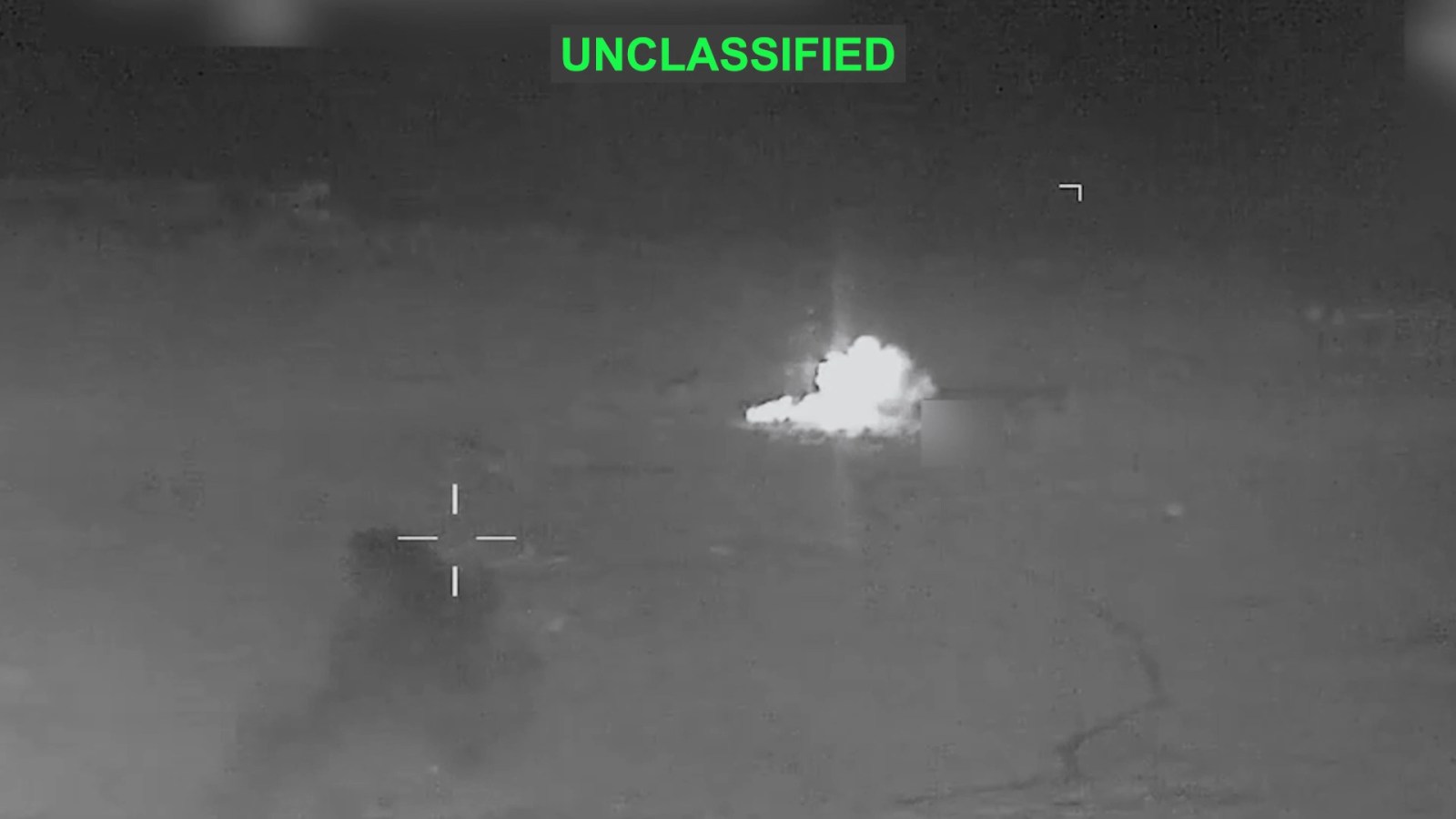
Attacks continued as CENTCOM reported U.S. strikes on over 80 military targets, while the IRGC claimed operations targeting U.S. military facilities in the region. Trump’s statement at a NATO summit in Turkey hinted at further military actions.
Unresolved Conflict and Political Implications
The path to a decisive U.S. victory remains unclear. Trump admitted misjudging the conflict’s duration, which could harm Republicans in the upcoming midterm elections. Key military figures, including Ayatollah Ali Khamenei, faced significant losses, but capitalizing on initial victories remains challenging.
The Role of the MoU in U.S. Strategy
“The U.S. administration entered into the MoU when it realized US/Israel military success had been insufficient to achieve strategic goals,” Eyre explained. The deal aimed to reopen the Strait despite postponing nuclear discussions.
Despite recognizing strategic blunders, hopes for lasting peace have waned. Eyre noted, “The current U.S. goals are to cut its losses and get maritime traffic through SoH back to pre-war levels.” Iran aims to reassert strategic deterrence by regaining control of the Strait.
The prospect of a nuclear agreement between Iran and the U.S. remains slim.