
In a series chronicling the events leading up to 9/11, Newsweek revisits significant moments and actions by the hijackers, unfolding as they did 25 years ago.
Yesterday’s highlight: Mohammed Atta directed the other hijackers to remain calm, telling them they were destined for the ‘gardens of eternity.’
September 3, 2001
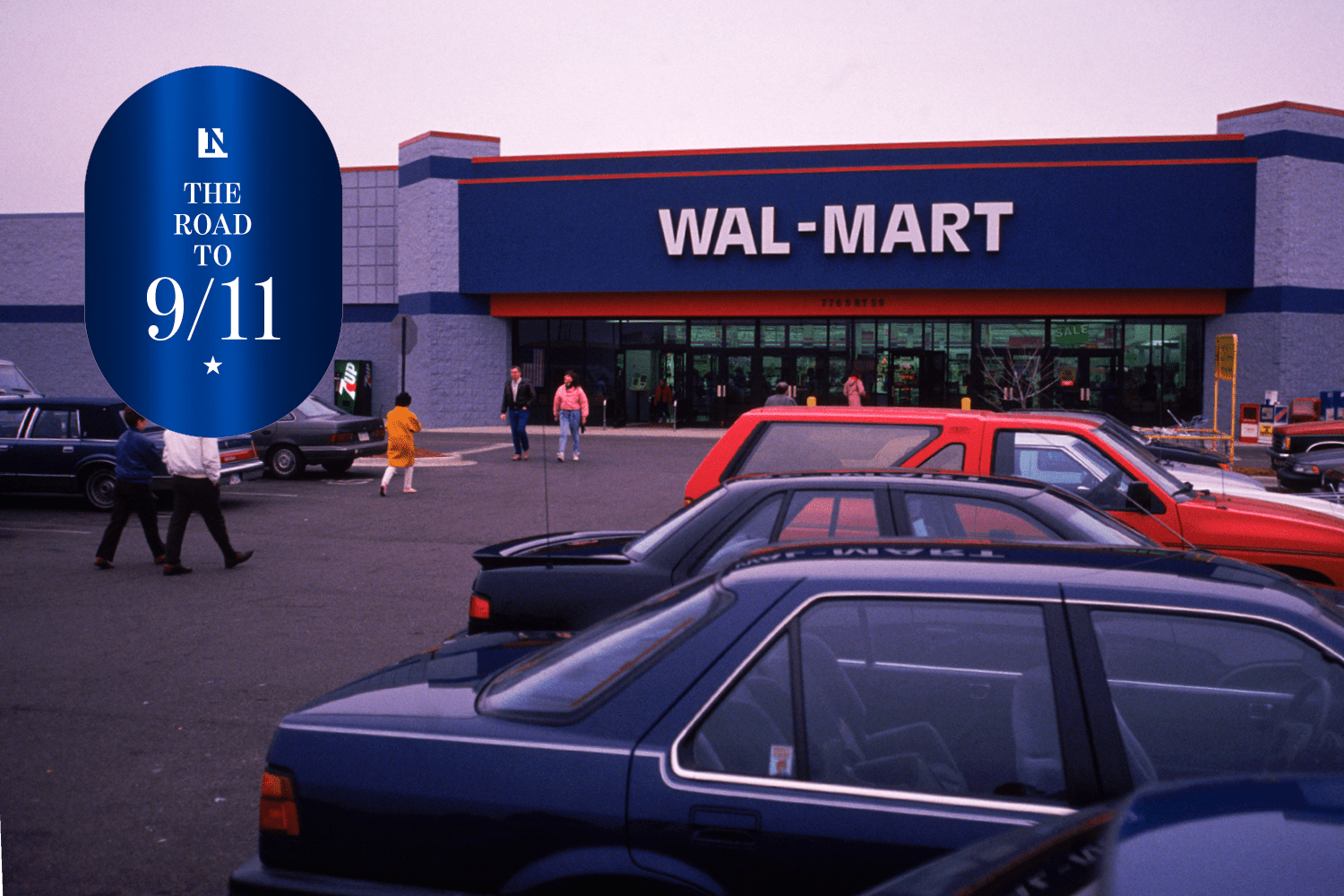
On this day, Marwan Al-Shehhi visited a Walmart in Pompano Beach, Florida. He purchased a toggle switch, gel mate, auto tape, and a 9-volt battery. These items were likely intended to construct a fake bomb for use on United Airlines Flight 175. The objective was to intimidate and control the passengers.
The Day of 9/11
At 9:00 a.m., a passenger named Peter Hanson on al-Shehhi’s plane called his father. He described the deteriorating situation on board. “It’s getting bad, Dad,” he reported, detailing the stabbing of a stewardess and the possession of knives and Mace by the hijackers. Hanson relayed their bomb claim, the distress among passengers, and his fear that the plane was no longer piloted by the crew.
Deceptive Tactics Across Flights
On American Airlines Flight 11, hijackers, led by Atta, used irritants like Mace in first class. They too claimed to possess a bomb, despite lacking even fake components like al-Shehhi’s.
On American Airlines Flight 77, bound for the Pentagon, neither flight attendants nor passengers mentioned stabbings, Mace, or bomb threats during their calls.
United Flight 93, piloted by Ziad Jarrah, featured a bomb threat announcement at 9:32 a.m. However, evidence of any bomb onboard or fake parts like those by al-Shehhi was lacking.
Concluding Observations
The 9/11 Commission later reported, “The FBI found no explosives at crash sites.” Even Hanson, who mentioned a bomb, believed it was unreal. The lack of evidence for real bombs suggested they were likely fake efforts to bypass security and instill fear.
Tomorrow’s focus: A fierce warning from terrorism staffer Richard Clarke went unheeded, as bureaucratic challenges diluted its urgency.