
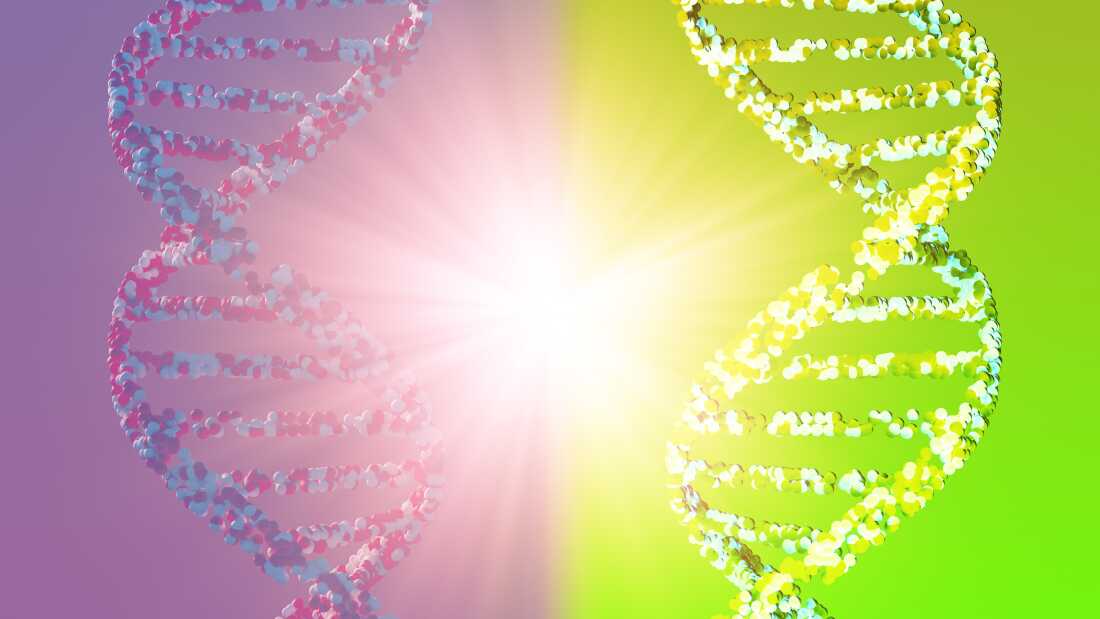
Researchers can create mirror molecules in laboratories. However, developing a mirror cell is still at least a decade away. This has sparked concern among some scientists. They fear such advancements might endanger life on Earth.
On a molecular level, life as we know it shows clear-handedness. Human DNA spirals to the right, while proteins show left-handed chemistry. These characteristics define life on our planet.
Explorations into mirror life seek to develop an inverted version of this biochemistry. Though the technology to achieve this remains unavailable, some scientists feel the potential risks are too great. They have published a detailed report urging a halt to this research.
Regina Barber hosts an episode discussing these concerns with Carl Zimmer, a science reporter at The New York Times. They delve into the implications of creating mirror cells and the possible consequences for terrestrial life.
For those curious about controversial scientific research, further inquiries are encouraged. This program is part of NPR’s Tech Camp series and invites listeners to support public media and explore additional content.