
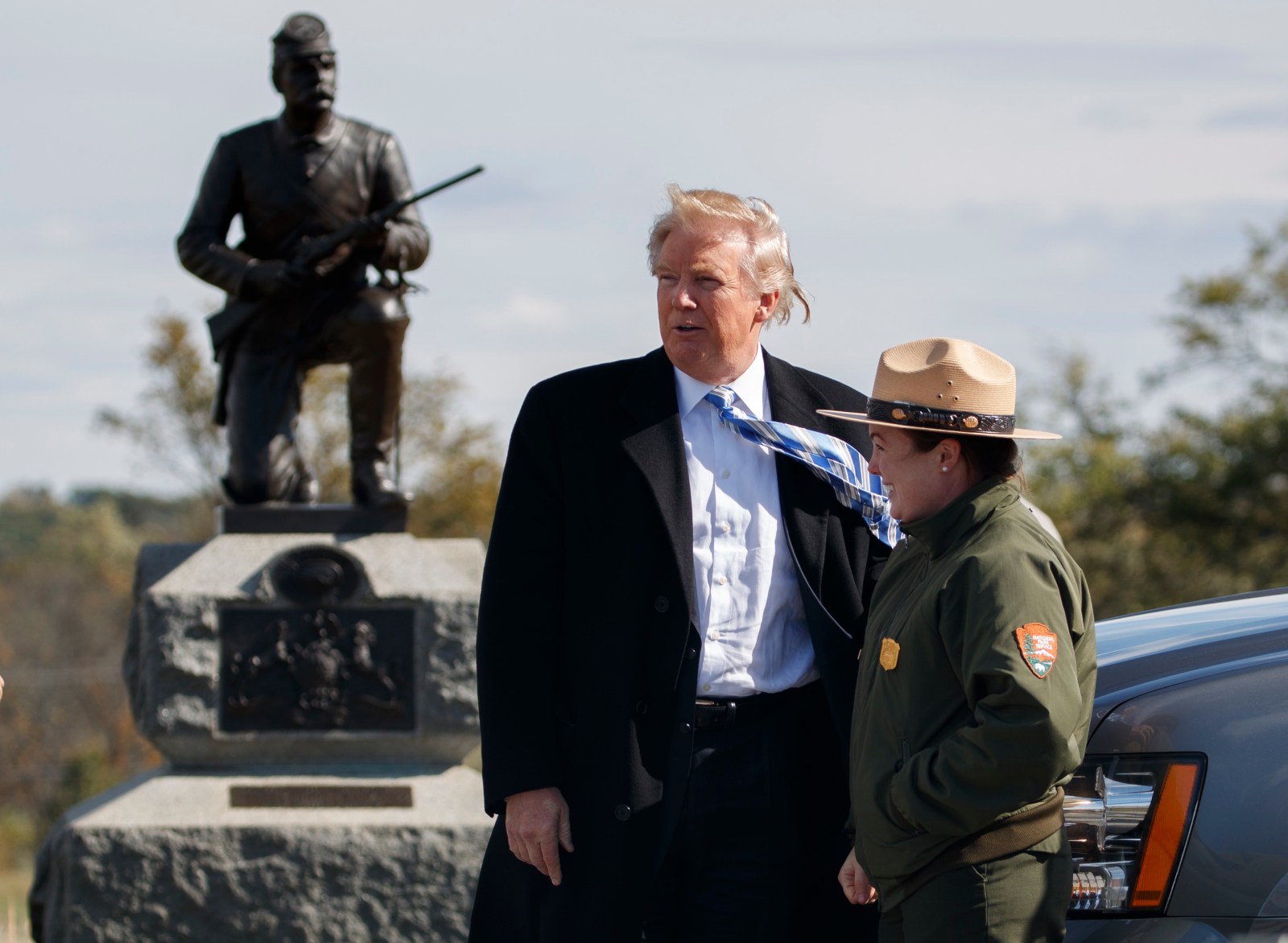
National park advocates are organizing a nationwide day of action to challenge President Donald Trump’s policies on national parks. They are urging the administration to enhance protection and investment for the federal workforce maintaining these parks. The National Parks Conservation Association (NPCA) has announced that supporters will gather online and at various events across the country on August 25 to advocate for America’s national parks.
The NPCA has called for the public to sign a petition directed at Trump and Interior Secretary Doug Burgum, demanding better protection for parks and their employees. The organization reports that the National Park Service has lost 25% of its permanent workforce in the past year, including key roles such as rangers, maintenance workers, and educators. The petition warns that these staffing shortages have led to the reduction of educational programs, weakened scientific and conservation work, and could jeopardize emergency responses and visitor safety. The plea to Trump and Burgum highlights the need for a significant investment in park staff to safeguard the people who care for these sites.
While the campaign primarily focuses on the day of action on August 25, the NPCA has scheduled approximately 30 activities across 20 states and Washington, D.C., from August 22 to September 1. These efforts reflect a broader dispute over Trump’s approach to public lands. Critics have expressed concerns over staffing reductions, increased fees for international visitors, efforts to reduce environmental regulations, and directives to remove historically controversial or divisive materials from federal sites.
The administration claims its policies will broaden recreational access, generate revenue for park infrastructure, and balance conservation efforts with economic growth. Burgum asserts that Trump is preserving the nation’s landscapes while removing excessive regulatory barriers. Officials have pointed to investments under the Great American Outdoors Act, signed by Trump, as proof of his commitment to conservation.
A Department of Interior spokesperson remarked that more than 99% of donations from NPCA employees during the 2024 election cycle went to Democratic political campaigns. They criticized the NPCA for presenting itself as nonpartisan while supporting progressive candidates and giving financial support to former Secretary of State Hillary Clinton’s campaign. “Further, if you look at the accounts they are following on X, you will see they follow groups like AOC, Center for American Progress, and Indivisible, which illustrate their political leanings. Any claim that the NPCA is non-partisan is farcical,” the spokesperson said.
Newsweek has sought comments from the White House, Burgum’s office, and the NPCA but has not yet received a response.
What Is the Campaign Protesting?
The Day of Action’s main focus is the reduction of National Park Service employees and what organizers see as insufficient federal support for remaining staff. The NPCA claims that the staffing shortage has forced parks to cut educational programs and oust specialists vital for research and conservation, raising concerns about the ability to handle emergencies effectively. The petition asks Trump and Burgum to protect these parks, preserve the workforce, and offer a substantial investment in staff for proper care.
This decline followed substantial terminations, hiring restrictions, and incentives for federal employees to retire early. About 1,000 probationary Park Service employees were terminated in February 2025, though courts later approved their reinstatement. Other employees exited through deferred-resignation and retirement programs, and advocates warn that replacing experienced scientists, historians, emergency personnel, and maintenance staff is not a quick process.
The staffing issues coincide with other changes under the Trump administration that have frustrated visitors and conservation groups. Notably, the administration added Trump’s image alongside George Washington on the 2026 America the Beautiful annual pass, and introduced separate pricing for residents and international visitors. U.S. residents still pay $80 for an annual pass, but nonresidents face a cost of $250. International visitors without an annual pass incur an extra $100 charge per person at 11 highly visited parks.
Burgum argues that the policy ensures U.S. taxpayers, who already support the National Park System, maintain affordable access, while international visitors contribute their portion to park upkeep and improvement.
President Trump’s leadership always prioritizes American families,” he said.
Trump has also instructed the Interior Department to evaluate monuments, signs, and informative materials at federal sites. His March 2025 executive order directed parks and museums to highlight American achievements and remove content deemed disparaging, ideologically driven, or divisive.
These developments are set against the backdrop of the administration’s wider policies on public lands and environmental regulation. Trump officials have advocated for increased timber harvesting, expanded domestic energy production, and expedited permitting while seeking to eliminate what they term excessive environmental regulation.
The administration denies any hostility towards national parks. Burgum cites the Great American Outdoors Act as one of the most significant public-lands investments of the 21st century, supporting repairs to historic sites, roads, visitor facilities, and other infrastructures within the parks.