
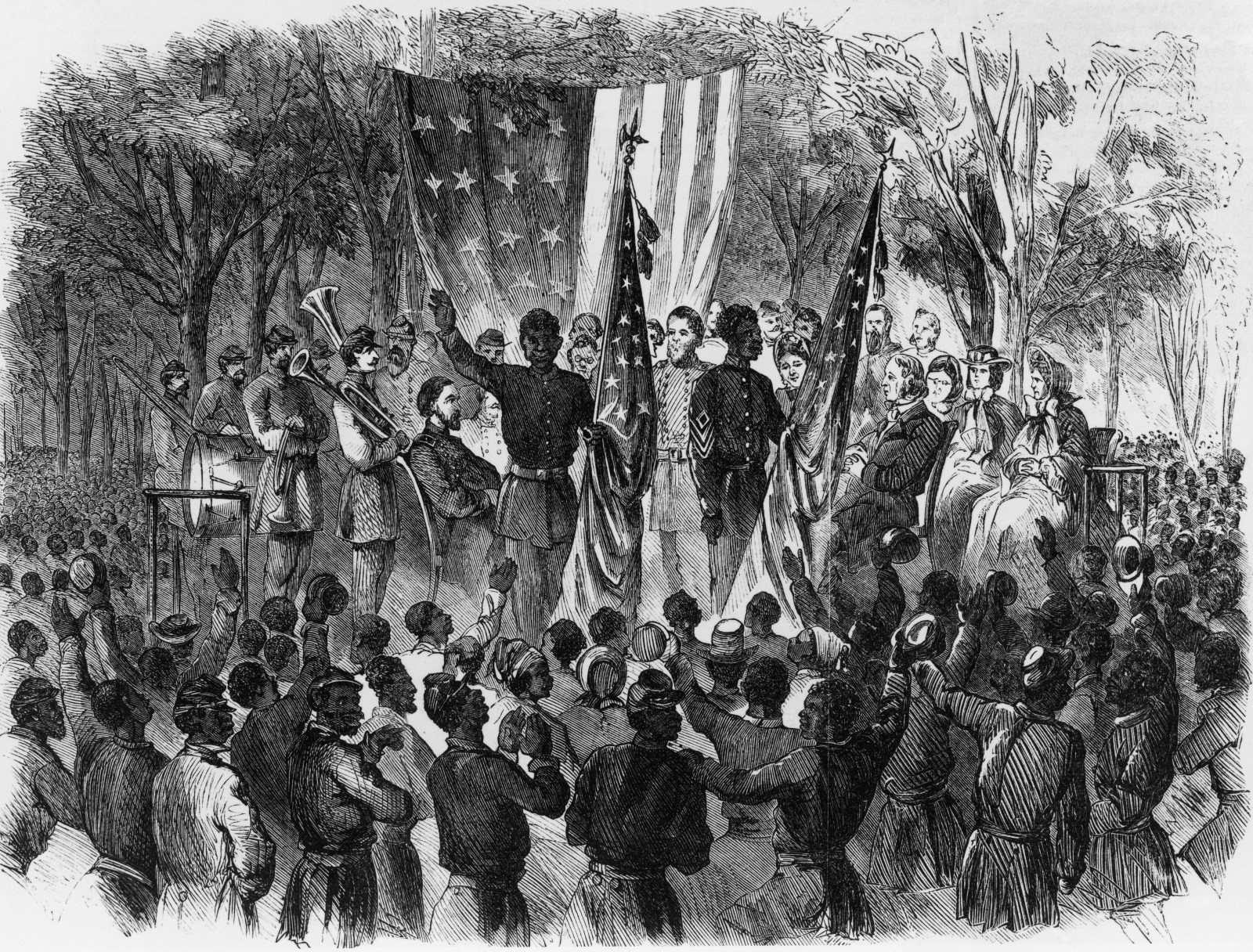
Understanding Emancipation in the United States
Juneteenth, celebrated annually on June 19, represents the day in 1865 when Union soldiers informed 250,000 African Americans in Galveston, Texas, of their freedom after the Civil War ended. This event marked a significant point in the liberation process across the U.S.
The Emancipation Proclamation by President Abraham Lincoln on January 1, 1863, declared the freedom of all slaves in Confederate states. However, emancipation did not occur universally or instantly. Different states and regions experienced freedom at varying times through various mechanisms such as military occupation, state legislation, and constitutional amendments culminating in the Thirteenth Amendment.
Jim Downs, a professor at Gettysburg College, emphasizes the complex and uneven process of emancipation across the nation.
State-Specific Emancipation Days
Alongside Juneteenth, several states host their unique Emancipation Day celebrations that commemorate their distinctive journeys to freedom.
Florida
Florida observes Emancipation Day on May 20, marking the proclamation of emancipation in Tallahassee on May 20, 1865, shortly after the Civil War ended. In places like Key West, early celebrations occurred as early as 1863 due to the presence of the U.S. Army.
Tennessee
August 8 is recognized as Tennessee’s Emancipation Day. Military Governor Andrew Johnson freed his slaves on this date in 1863, and celebrations began in 1871, organized by former slave Sam Johnson.
Mississippi
Emancipation in Mississippi is marked differently in various communities. Columbus hosts events on May 8, commemorating the arrival of Union troops, which effectively led to freedom at that time.
Washington, D.C.
The District of Columbia celebrates DC Emancipation Day on April 16, the date when over 3,000 people were freed in 1862. Celebrations include cultural events and parades, official since 2005.
Ohio
September 22 marks Ohio Emancipation Day, commemorating the preliminary version of the Emancipation Proclamation with annual events featuring food, concerts, and reenactments.
Maryland
Maryland acknowledges its Emancipation Day on November 1. It legally abolished slavery one year after the Emancipation Proclamation. Since 2025, the day is recognized as a legal holiday with concerts and educational events.
Why Juneteenth Is Widely Recognized
Juneteenth’s wide recognition stemmed not from being the first emancipation celebration. Black Texans celebrated it across generations, carrying traditions as they migrated. This established Juneteenth as a national symbol of both freedom and its delayed fulfillment.
The history of emancipation is multi-faceted. Different communities experience freedom at various times, leading to a rich tradition of celebrations. Rather than a singular narrative, Emancipation Days highlight the diverse and complex experiences of achieving freedom in America.