
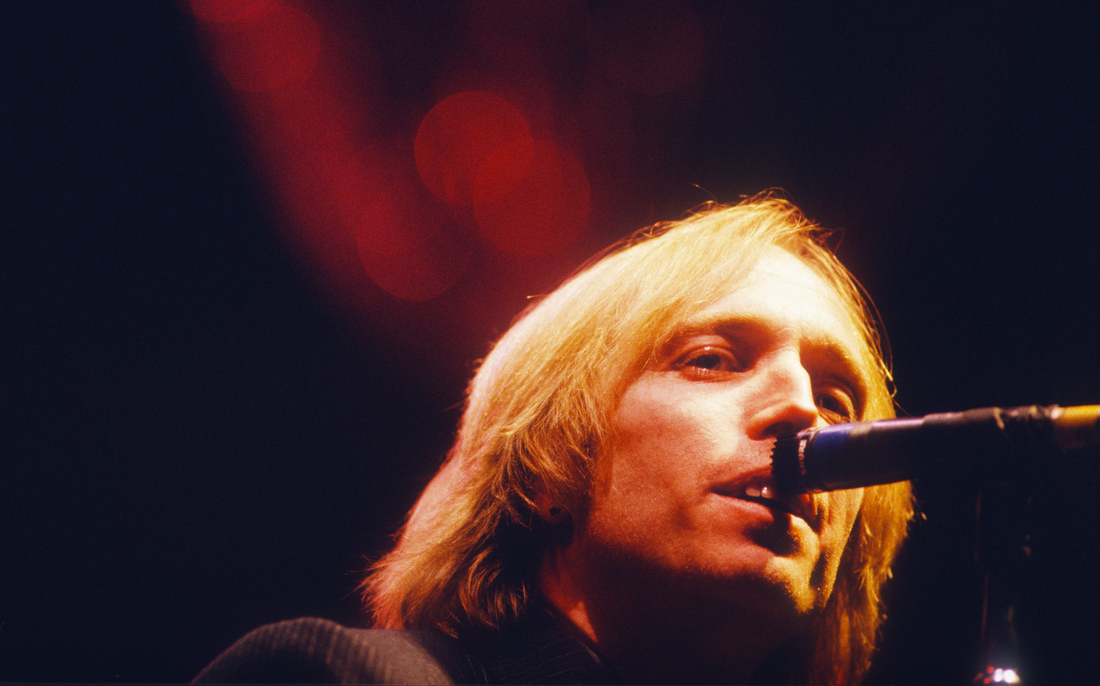
In 1989, Tom Petty released a song that would resonate deeply with countless individuals across the globe. ‘I Won’t Back Down’ became an anthem for resilience and empowerment, touching lives far beyond its initial release.
‘I Won’t Back Down’ speaks with a simple yet powerful message. Petty himself acknowledged the impact this song had on his fans, with many sharing personal stories of how it guided them through challenging times. The line ‘You can stand me up at the gates of hell, but I won’t back down’ has served as an unwavering promise for many to persevere in the face of adversity.
“It’s a very simple song, but a very powerful song,” said Mike Campbell, Petty’s lifelong bandmate. “It’s as deep as you want to go.”
The song’s message inspired people like Ashley Ellis, who tattooed the lyrics on her shoulder blade. ‘Throughout my life, Tom Petty’s music was my guiding light,’ she shared. Similarly, Vallerie Drorbaugh relied on the mantra when preparing for spine surgery and later fighting breast cancer.
Erica Kufus found comfort in the song after her father’s tragic passing, listening to it as a means of connecting with his memory. Sara Register took solace in the words during a cross-country drive following personal upheavals, using them to inspire fortitude and courage.
Niki Vonderwell and her husband embraced the song so fully that they engraved ‘I won’t back down’ on their wedding rings. For her, meeting her partner was a perfect harmony of fateful music and love.
Tom Petty’s daughter, Adria Petty, attributes the song’s universal appeal to its simplicity. ‘It’s like a mantra building you stronger,’ she explained. The experiences of listeners at NPR reveal that this song wasn’t merely music, but a beacon of hope and resilience.
Ultimately, ‘I Won’t Back Down’ transcends its lyrics, becoming an anthem of personal strength and unyielding spirit for those who need it most.
NPR Listeners’ Stories
NPR received over 700 personal accounts from listeners inspired by ‘I Won’t Back Down’ as a personal anthem. Below are a few stories that highlight the song’s reach.
- Ashley Ellis: Tattooed song lyrics helped her through depression and self-harm.
- Vallerie Drorbaugh: Used the song’s message during recovery from major surgery and cancer treatments.
- Erica Kufus: Found peace from the song after her father’s suicide.
- Sara Register: Turned to the song while driving across the country during a time of personal struggles.
- Niki Vonderwell: Made the song part of her wedding vows and rings.
Each personal story echoed the resilience echoed in the song, showing the communal strength derived from Petty’s words.