
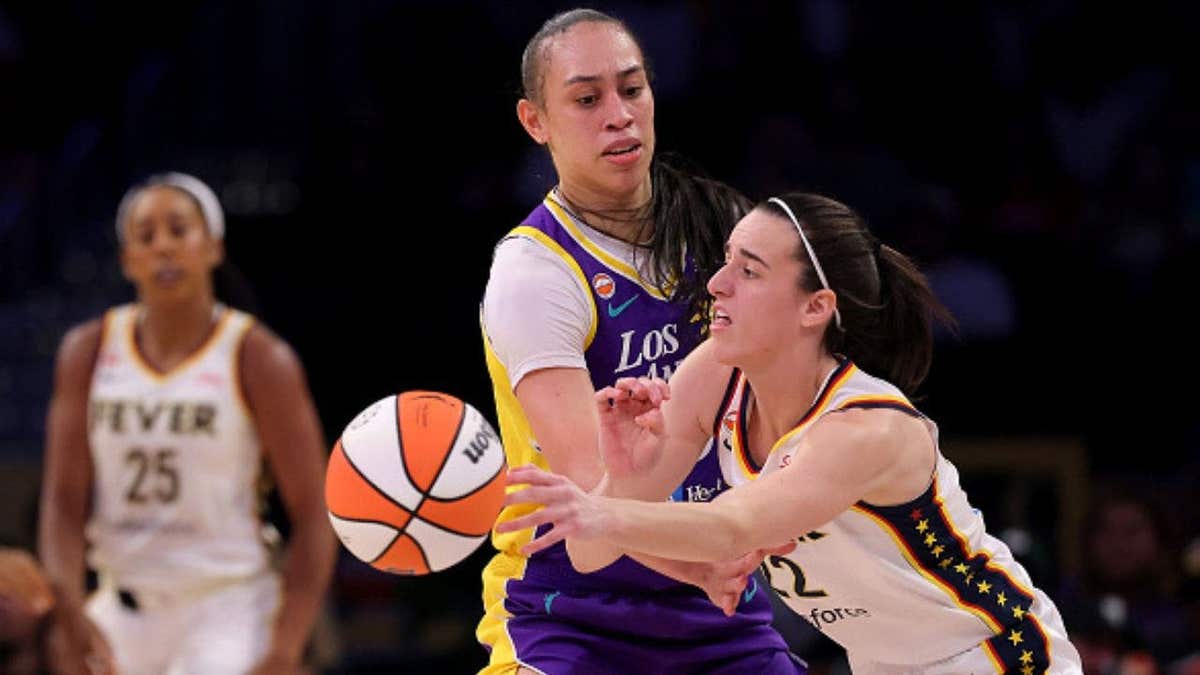
During a recent CNN panel discussion on why many WNBA players might resent Caitlin Clark, former ESPN host Cari Champion addressed the role of race in these dynamics. She emphasized that suggesting racism as a motive ignores the contributions of Black women who have built and supported the league. Champion described relating such tensions strictly to race as disrespectful.
Caitlin Clark, a straight White woman in a league with a majority of Black or LGBTQ+ players, stands out not only due to her identity. Her rejection of the expectations linked to racial and sexual activism in the league adds to the controversy. This aspect of her persona challenges the public image projected by the WNBA, raising questions about what drives the tensions around her.
CNN’s Abby Phillip commented on the political support Clark receives, attributing some backing solely to her race.
The league’s reactions to Clark contrast sharply with those toward players like Cameron Brink and Paige Bueckers. Brink, who was drafted after Clark, acknowledges her privileges as a White player and aligns with racial justice causes, earning high regard in the league. Bueckers also engages in such dialogues, discussing the importance of diversity in coaching roles. These actions have shielded them from criticism that Clark faces.
Clark’s approach is seen as indifferent to the league’s cultural shifts post-2020, focusing solely on basketball instead of activism. This perspective aligns with views expressed by figures like Bomani Jones, who suggest assumptions about racial bias in White individuals unless actively disproven.
The approach of Clark contrasts with other White athletes in the league who have engaged directly with racial issues. This distinct path positions Clark as a target within a post-George Floyd society characterized by heightened racial awareness. Her refusal to conform to expectations of vocal activism adds complexity to her reception among peers and the media.
Moreover, frequent references to her race and sexuality in discussions about her success perpetuate narratives that exacerbate tensions. Figures like Jemele Hill have suggested these aspects significantly contribute to her recognition, feeding into the broader narrative against Clark.
Incidents involving physical aggression towards Clark highlight how narratives shape responses within the league. There is a perception that defending Clark contradicts a commitment to aligned social causes, complicating how situations involving her are portrayed and discussed.
The reluctance to accept Clark without her endorsement of specific social messages indicates a deep-rooted issue within the WNBA. The league grapples with integrating individual diversity of thought with overarching activism-based expectations.