
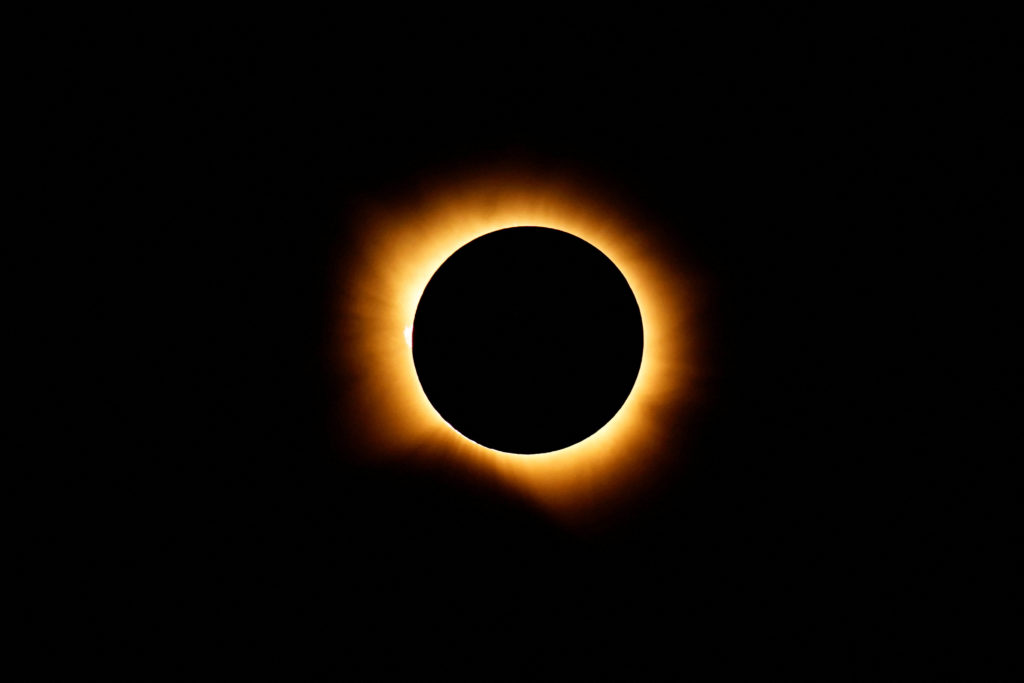
On August 12, 2026, millions gathered across Spain’s cities and towns to witness a rare total solar eclipse. Clear skies provided ideal conditions for this celestial event. People brought chairs and hats, waiting to experience darkness as the moon’s alignment with the sun and Earth unfolded.
Villalba del Rey, along with other locations, offered spectacular views as the moon completely obscured the sun. Photo opportunities were abundant, with individuals using homemade devices to safely observe the event.
Widespread Interest and Safety Measures
In northern and central Spain, as well as parts of Greenland and Iceland, millions anticipated remarkable views. Totality, the period when the moon covers the sun, lasted less than 2.5 minutes. Its duration peaked off Iceland, and by the time it reached Spain, totality had shortened to about a minute before moving towards the Mediterranean.
Spanish authorities launched a major public safety campaign, anticipating half a million additional visitors. The demand for hotel accommodations in cities like A Coruña and Bilbao surged as people secured vantage points early. Officials highlighted prevention against potential wildfire risks due to high temperatures and dry conditions. Over 33,500 law enforcement officers were deployed to manage the event.
Eclipse Glasses In High Demand
Essential for safe viewing, eclipse glasses were scarce. Telmo Fernández Castro from the Madrid Planetarium emphasized their importance, reinforcing their role in protecting eyes from harmful solar radiation. Supermarkets and other outlets sold glasses months in advance.
Greenland’s Spectacular Viewing Plans
In Greenland, the MS Spitsbergen, captained by Sverre Rud, navigated Rypefjord for optimal eclipse viewing. Despite 24-hour daylight, two minutes of total darkness awaited the 126 passengers, adding excitement to their Arctic cruise.
Soaring Hotel Prices
In Iceland, hotel prices skyrocketed in anticipation of the country’s first total solar eclipse since 1954. Rooms in Reykjavík cost over $1,000, attracting up to 20,000 extra visitors despite forecasts predicting cloudy skies.
Steinþór Jónsson, owner of Hotel Keflavík, noted the demand parallels historical events like the 1986 Reagan-Gorbachev summit.