
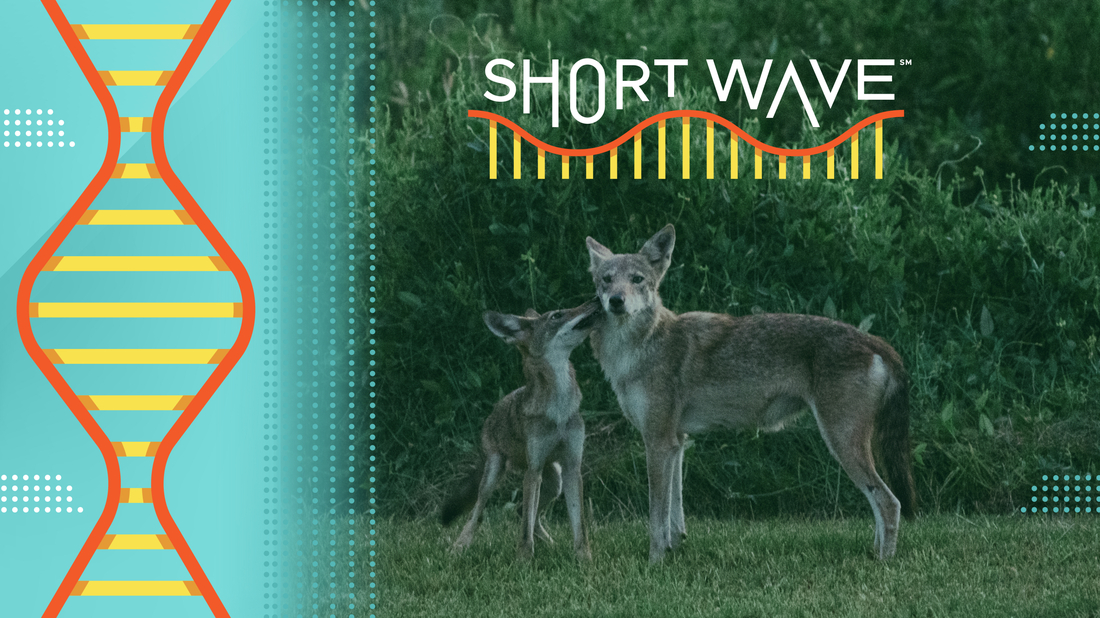
The American red wolf, a small canid known for its cinnamon color, is critically endangered. This animal once thrived across the American Southeast, playing a crucial role in local ecosystems by preying on deer and small mammals. However, early European settlers regarded wolves as threats to their resources, leading to organized efforts to eradicate them. Government programs offered incentives to eliminate wolves, resulting in a steep decline in their population.
According to Bridgett vonHoldt, a professor at Princeton University, by the mid-1900s, red wolves nearly vanished from their natural habitat due to rapid population decline. Recognizing the need to conserve this species, American conservationists took action. In the 1970s, the U.S. Fish and Wildlife Service captured various canids, including coyotes and hybrids. Out of hundreds, fourteen red wolves were selected to form a founder population for breeding purposes. These wolves are the ancestors of all current captive American red wolves, with only a small number living wild on North Carolina’s Albemarle peninsula.
With such a limited founder population, genetic diversity is a significant challenge. VonHoldt’s research suggests a novel approach using ‘ghost genetics’ to recover this lost diversity. This method may provide a path forward for the species’ recovery. The process involves creating gene dictionaries and exploring genetic footprints left in the wild. The initial spark came from a photo of a typical Texas coyote, which highlighted the potential for hidden genetic resources.
The episode, hosted by Emily Kwong, delves into these conservation efforts and the potential of genetic strategies to help save the red wolf. Listeners can explore more by tuning in to Short Wave on platforms like Spotify and Apple Podcasts, or by supporting NPR through their program Short Wave+.