
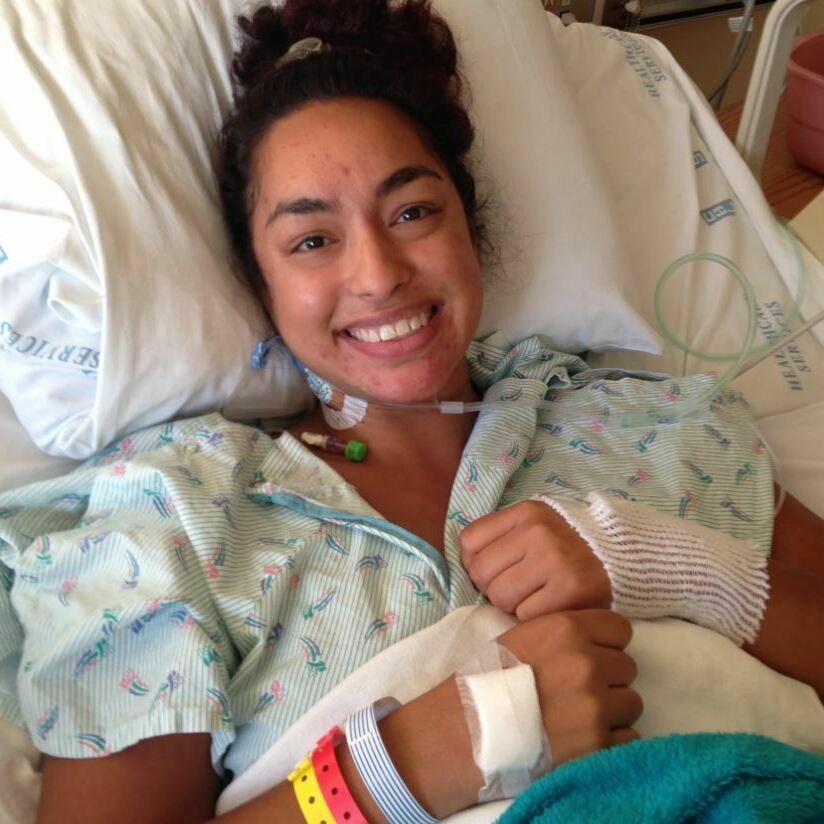
Leila Mirhaydari underwent a kidney transplant in 2014, but eight years later, she faced the heart-wrenching reality of her body rejecting the donated organ. This revelation came during a visit to her kidney doctor in February 2021, when Hawaii began easing pandemic restrictions, allowing her to seek in-person medical care after a long absence.
Leila was anxious as she awaited the lab results. Having independently managed the care of her transplanted kidney for a year, she understood the importance of attentive monitoring. When her lab results came back, they indicated a dangerous imbalance, confirming her worst fears. “I knew I was in rejection,” Leila admitted, grappling with feelings of personal failure towards her donor.
At 27, Leila’s kidneys had initially failed, pushing her into nightly dialysis while she waited on a long transplant list. Her search for a living donor led to an unexpected hero, her step-cousin Miles Landis, who donated a kidney on September 9, 2014. Leila cherished the organ, affectionately naming it “The Hulk.” The transplant freed Leila from dialysis and allowed her to travel and live life fully for eight cherished years.
The reality of organ rejection begins with the body’s immune system perceiving the transplanted tissue as foreign, triggering an attack. Transplant recipients rely on immunosuppressive medications to prevent this. Nicolae Leca from UW Medicine explains that maintaining immunosuppression is critical to keeping this “snowball effect” at bay. A lapse in this maintenance can accelerate rejection.
Financial barriers to accessing immunosuppressive medications presented another challenge for Leila. In March 2020, the pandemic caused her workplace in Hawaii to shut down, leaving her without income and insurance. To manage her costs, she made the difficult decision to ration her medication, particularly tacrolimus, and suspects this led to her body’s resistance against the transplanted kidney.
With impending dialysis and placement on the UNOS transplant list, Leila faces the daunting process of seeking another donor. The United Network for Organ Sharing reports over 100,000 Americans awaiting transplants, primarily kidneys, with daily mortality estimates at 17 due to delays. Fortunately, advances in legislation have made Medicare responsible for immunosuppressive medication costs for the duration of the transplanted organ’s life, a policy change positively received but too late for Leila.
Leila remains hopeful, actively searching for a living donor while waiting on the UNOS list. More than 6,400 living donations occurred in 2022, exemplifying the power of living organ donations. Still, Leila hopes her experiences pave the way for others to access timely medication, sparing them from the challenges she faced.