
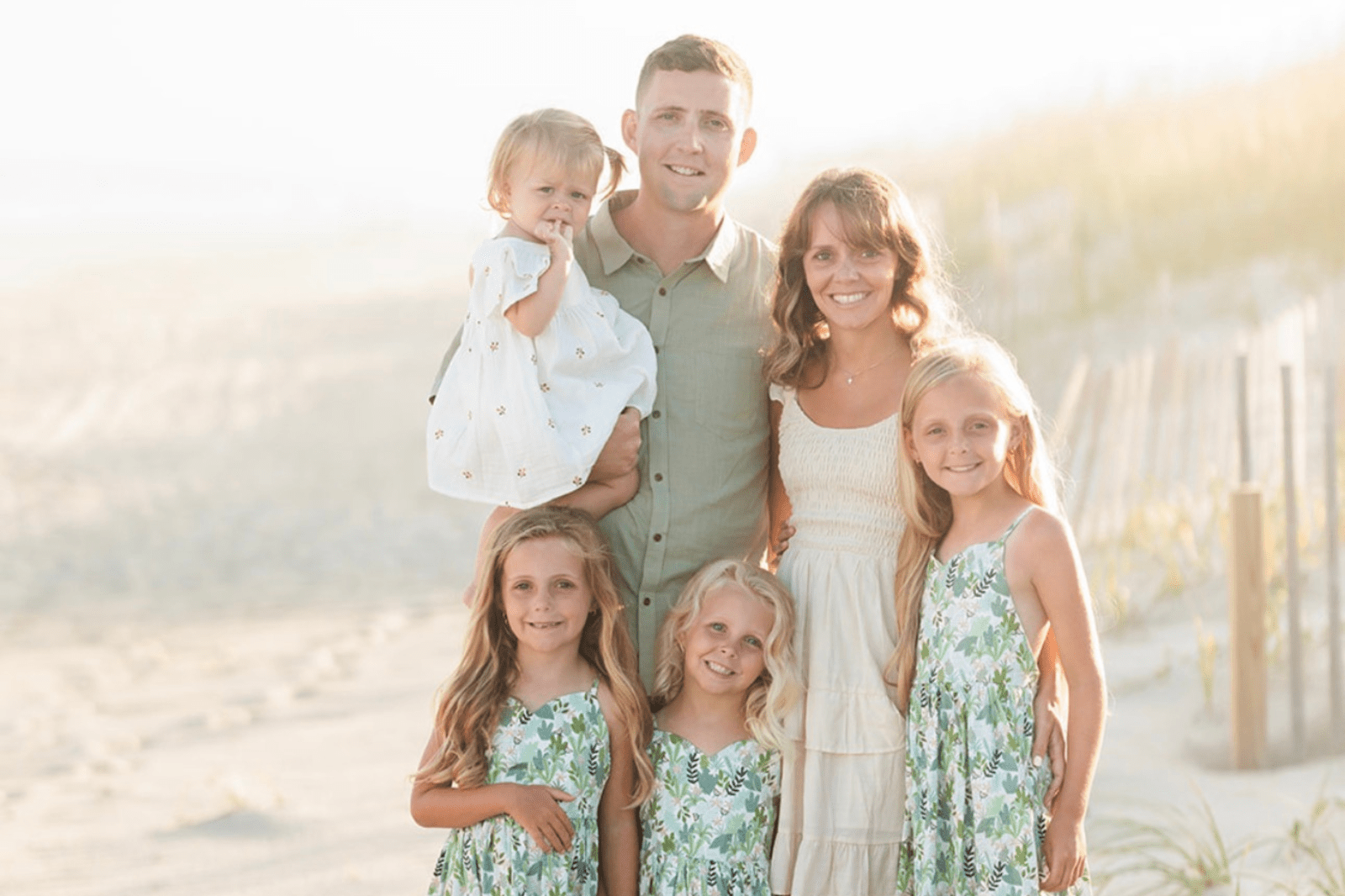
When my daughter Nancy’s behavior changed at around 15 months old, I initially dismissed it. Frequent ear infections seemed to explain the changes. Nancy appeared more unsettled, a far cry from the happy, easygoing child we knew. I hoped things would improve. After her ear tubes were fitted, I thought everything would return to normal. Yet, something still felt amiss.
As parents, intuitive feelings can’t be ignored. Despite everything appearing normal, Nancy wasn’t herself. No alarming symptoms appeared, just minor, hard-to-explain shifts.
Years later, I understood how challenging neuroblastoma detection can be. Symptoms often resemble common childhood ailments. At that time, we were just trying to understand why Nancy seemed different. Seven months passed before we received a shocking answer—a stage 4 cancer diagnosis.
I will never forget the day of Nancy’s diagnosis. Our expectations were for something minor and manageable, not life-altering. Hearing the words “stage 4 cancer” was devastating. One moment we were managing toddler fussiness; the next, we were learning about metastatic disease.
The scans showed a large tumor on her adrenal gland, with cancer spread to her bones, skull, and orbital bones. We were taken by surprise, yet the signs had been subtle. I reviewed past appointments and symptoms, wondering if we had missed something. The realization that neuroblastoma mimics common ailments provided some solace. However, it couldn’t erase our shock.
Reflecting on the journey, certain moments stand out. At Nancy’s 12-month check-up, her hemoglobin levels were low, indicating slight anemia. We added more iron to her diet. Months before the diagnosis, she developed a limp, underwent tests including an X-ray, but all showed normal results. These moments haunt me, making me wish for more proactive measures in seeking answers.
From Nancy’s diagnosis onward, everything changed. The hardest part has been dealing with uncertainty. As parents, we want to alleviate our child’s pain but are powerless against the illness. We remain beside her, providing comfort and making difficult decisions.
Over six months, Nancy has spent over 70 nights in a hospital. We live about an hour from her treatment team in Norfolk, Virginia, which means constant traveling for treatments and appointments. At home, we’re still in high-alert mode, managing chemotherapy side effects, monitoring for fevers, and administering medication.
Balancing our family life, especially with her three older sisters, has been challenging. One parent is often at the hospital while the other attends family events, trying to maintain stability. We strive to stay connected as a couple, ensuring not only survival but also the future of our family.
Cancer affects every facet of life—relationships, work, finances, mental health. However, Nancy’s resilience brings us inspiration. Despite endless treatments, her smiles offer strength, urging us to hold onto joyful childhood moments.
Cancer has shifted our perspective profoundly, making us value time more than ever. Though the future remains uncertain, we stay hopeful. Grateful for the support from medical professionals, family, friends, and strangers, we cherish each day with Nancy and remain determined to fight alongside her.
Marianna Nice, based in Williamsburg, Virginia, shares Nancy’s journey with neuroblastoma on TikTok (@thehomefrontmama). Together with her husband Daniel, they run a GoFundMe campaign to raise $35,000 for medical expenses. All opinions expressed in this article are the author’s own.