
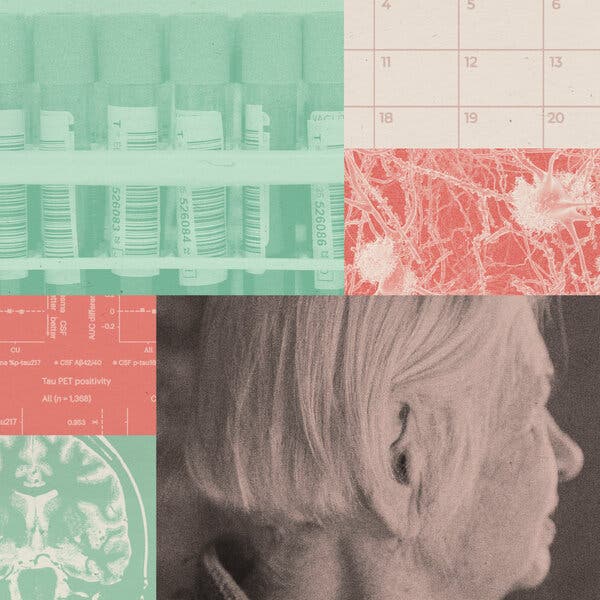
Recent research presented at the Alzheimer’s Association International Conference in London highlighted promising developments in blood tests for Alzheimer’s. These tests could transform diagnosis methods and help predict the onset of the disease.
Improved Diagnosis with Blood Tests
A study shared on Tuesday demonstrated that primary care physicians improved their accuracy in diagnosing Alzheimer’s when they had access to blood test results. This advancement is significant for identifying the cause of a patient’s cognitive symptoms.
Predicting Risk of Alzheimer’s
Another study, published in the journal JAMA, revealed that blood tests might predict an individual’s risk of Alzheimer’s-related cognitive impairment over periods of two, five, or ten years. These tests detect the presence of amyloid and tau proteins, which are biological markers of Alzheimer’s.
Potential for Early Treatment
The ultimate goal is to enable early treatment of Alzheimer’s, delaying its memory and cognitive challenges. Early intervention could lead to better outcomes for patients.
Concerns and Questions
While the potential of these tests is exciting, experts acknowledge existing questions around their use and accuracy. Resolving these concerns is crucial for their effective implementation in medical practice.