
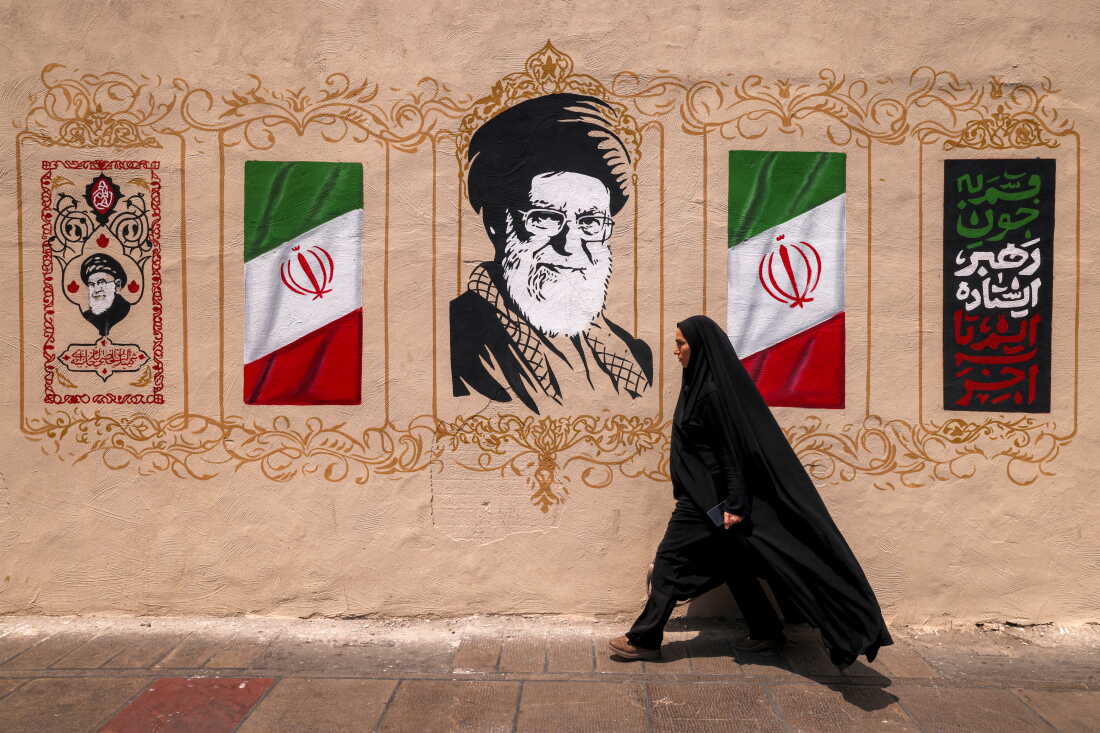
A mural of Iran’s late supreme leader, Ayatollah Ali Khamenei, was seen at Valiasr Square in Tehran on August 8. Amidst the six-month-long conflict with the U.S. and Israel, Iran’s regime remains resilient. The main goal of the conflict was the fall of Tehran’s leadership, but the regime has instead reinforced its stance.
U.S.-Israeli Assaults and Iranian Resistance
From February 28 to April 8, the U.S. and Israel conducted intensive bombings on Iran. Despite the killing of top leaders and the decimation of Iran’s air and naval forces, Iran’s leadership remains intact. The initial strike claimed the life of Supreme Leader Ayatollah Ali Khamenei, who had been in power for over three decades.
The bombing campaign severely damaged Iran’s missile and drone capabilities. Despite this, Iran continues its sporadic retaliations. The destruction significantly weakened Iran’s military capacity, yet it has managed to keep the Strait of Hormuz shut down.
World Health Organization figures indicate the conflict has led to 3,375 Iranian deaths and over 33,000 injuries.
The U.S. military suffered 18 deaths and hundreds of injuries. Israel and Gulf countries also recorded losses. With regional military presence, the U.S. remains ready for potential resumption of military action. However, depleted munitions stockpiles raise questions about maintaining future air campaigns.
Strategic Importance of the Strait of Hormuz
The Strait of Hormuz is now Iran’s key strategic asset. Following the initial conflict, Iran fortified its control, disrupting crude oil and gas shipments. This has impacted global economies, elevating fuel and goods prices.
Negotiations between Iran and Oman aim to reopen the strait temporarily. Yet, the Trump administration opposes these developments, threatening further action. Nearby Gulf nations, reliant on the strait for energy exports, are seeking alternative routes but still face challenges.
Diplomatic Efforts and Economic Impact
President Trump threatened Iran but initiated failed diplomatic talks post-ceasefire. The U.S. administration launched Operation Economic Outcast, targeting Tehran’s financial networks with increased sanctions.
Iran experiences its most severe economic crisis since the 1980s, according to the Eurasia Group.
Economic mismanagement, combined with direct impacts from airstrikes, has worsened conditions. Alex Vatanka from the Middle East Institute emphasizes the regime’s firm grip despite economic hardships.
The Iranian government, following Mojtaba Khamenei’s ascendance, acknowledges prolonged conflicts threaten stability. Key figures quietly support renewed talks. Vatanka argues mere repression is unsustainable.
Domestic Challenges Faced by Iranian Citizens
Six months of war have drastically affected Iranian daily life. Inflation exceeds 80%, the economy shrinks, and the rial currency is rapidly losing value.
A blogger recounts buying essentials on credit due to cash shortages. Healthcare and basic goods are increasingly unaffordable.
Another citizen, Sara, struggles with her asthma medication’s price hike. There is fear over potential protests and state retaliation.
Regime’s Severe Tactics
Increased executions linked to national security arise amid unrest. Over 7,000 fatalities and mass arrests follow protest crackdowns, according to Human Rights Activists News Agency.
Vatanka highlights that opposition requires a political strategy beyond protests. Engineering defections within the regime is crucial to inciting change.
Reports from Istanbul and Washington, D.C. offer insight into this ongoing conflict.