
Spanish Prime Minister Pedro Sánchez has criticized some European allies, accusing them of responding to the migration crisis in Ceuta with selfish, polarizing, and unlawful actions. Sánchez argued that calls to suspend Spain from the Schengen area were driven by prejudice, fake news, ignorance, or political interests.
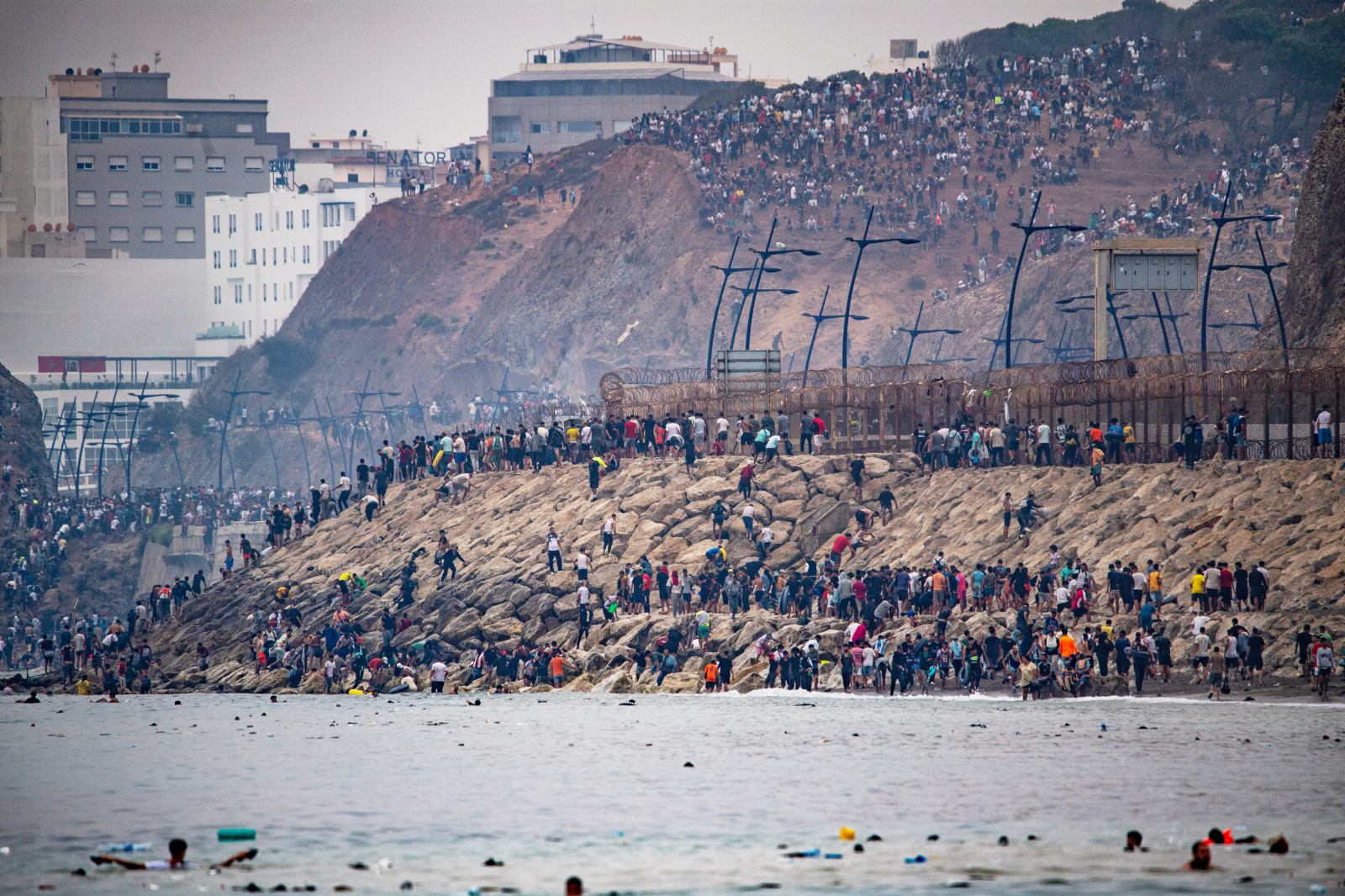
The crisis saw 50,000 to 60,000 migrants enter Ceuta from Morocco, but most have since returned, according to Spain’s interior ministry. Tragically, the death toll reached 67, with fatalities caused by drowning and a stampede near a breakwater.
In a letter to European Commission President Ursula von der Leyen, Sánchez emphasized that Spain regained border control within 48 hours, provided humanitarian aid, and returned nearly all irregular crossers. Spain also collaborated with Morocco to prevent unauthorized movement toward mainland Europe, yet received minimal support from other European nations.
European Reactions and Criticisms
Italy reinstated temporary border checks for arrivals from Spain, while Finland and Denmark supported suspending Spain from Schengen. These actions came despite Ceuta’s geographical separation from mainland Spain. There was no evidence migrants traveled from Ceuta to the European mainland.
Sánchez defended Spain’s overall migration policy, noting its dramatic reduction in irregular arrivals and positioning Spain as the EU’s second most secure external border. He highlighted Spain’s assistance to other countries during past migration crises, such as Belarus in 2021 and Lampedusa in 2023.
Sánchez urged the Irish presidency of the EU Council to organize an urgent meeting of interior ministers to craft a common response. He stressed the shared responsibility of protecting external borders among all EU members.
Division Among European Leaders
The crisis revealed rifts within Europe over border enforcement and solidarity with states on the front line. Italian Prime Minister Giorgia Meloni, alongside other leaders, called for emergency talks to enhance border security and expedite migrant returns.
Antonio Tajani, Italy’s foreign minister, claimed Spain’s recent migrant regularization program fueled trafficking, a claim Madrid dismissed. Brussels expressed support for Spain, crediting Spanish and Moroccan efforts in controlling the situation.
While France opposed suspending Spain from Schengen, it reinforced border checks. French Interior Minister Laurent Nuñez underscored ongoing security cooperation with Spain.
The Ceuta Migration Crisis
The mass migration began as crossings spiked along Ceuta’s border with Morocco. Migrants entered by scaling fences, navigating breakwaters, and swimming from nearby towns.
Ceuta, alongside Melilla, marks the EU’s sole land frontier with Africa, commonly used for migration into Spanish territory. Migrants face identity checks before accessing mainland Spain.
Authorities were overwhelmed, with migrants sleeping in parks and on sidewalks. Spain deployed additional soldiers and police as local facilities failed to manage the surge.
The exact reason for the influx remains uncertain. Spanish officials cited trafficking networks, while critics pointed to Spain’s migrant regularization program. However, the program excludes those entering during the crisis.
In response, Spain established a 500-meter containment barrier extending into the sea along the border. Soldiers patrolled the shoreline, assisting exhausted swimmers back to Morocco.