
France Suffers Additional Deaths Amidst Scorching Temperatures
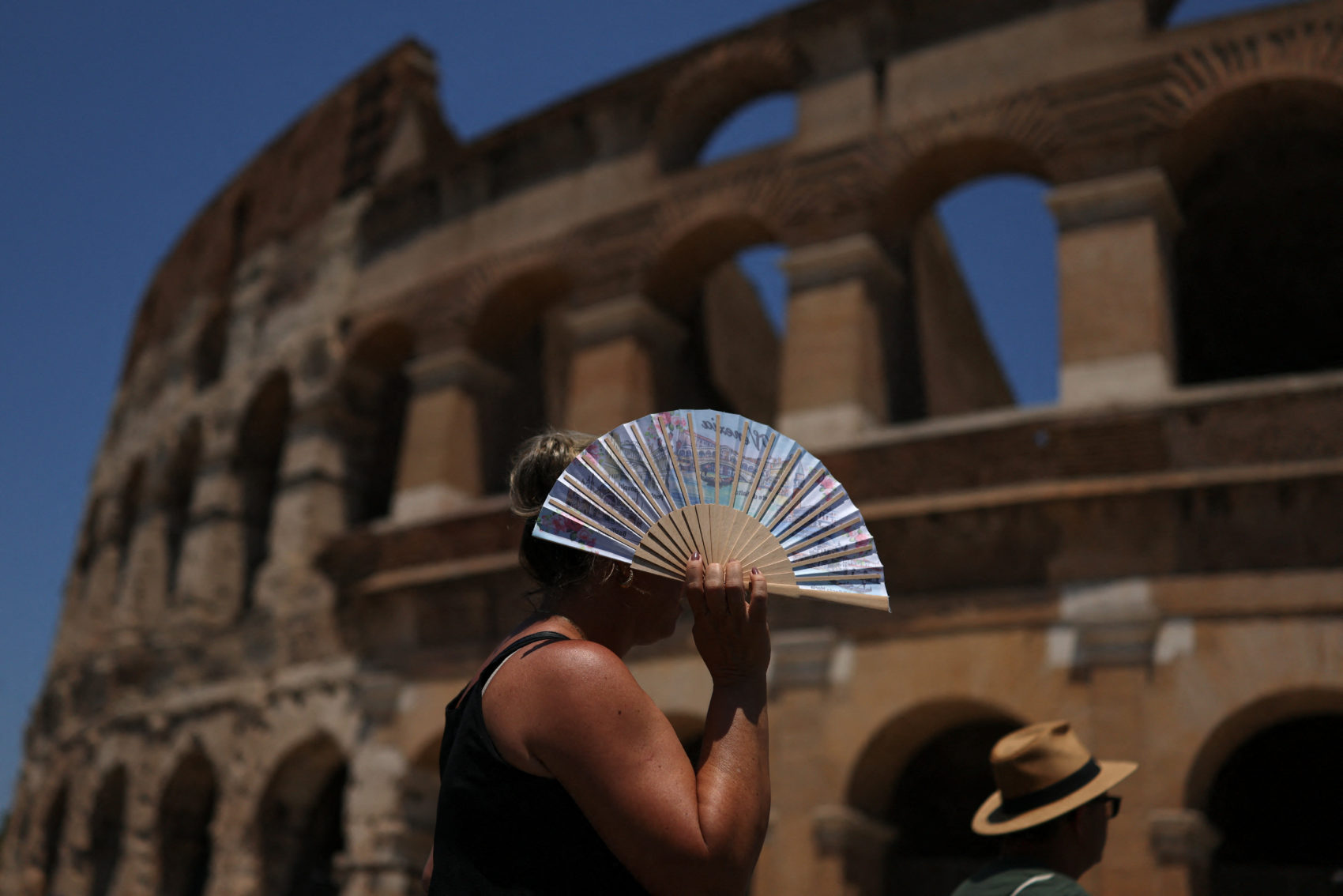
France reported approximately 1,000 more deaths than usual last week due to a severe heatwave. The nation’s public health agency revealed the data on Sunday, highlighting the critical impact of extreme temperatures. Regions under red heat warnings experienced the highest increase in mortality. Notably, 85% of the deceased were aged 65 and above.
Temperature records were surpassed in several European countries, intensifying concerns regarding climate change. Germany recorded 41.7 degrees Celsius (107 degrees Fahrenheit) in Neißemünde, setting a new temperature milestone. The Czech Republic reached its hottest day with 41.1 degrees Celsius (106.4 Fahrenheit).
According to a study by World Weather Attribution, such heat would have been unlikely without climate change. The analysis suggested the heat’s likelihood has surged compared to past decades.
WHO Warns of Europe’s Rapid Warming
The Director-General of the World Health Organization (WHO), Tedros Adhanom Ghebreyesus, emphasized Europe as the fastest-warming continent. He stated that Europe’s warming rate is twice the global average, with 150 million individuals facing severe heat conditions. The heatwave has resulted in over 1,300 excess deaths since June 21.
Ghebreyesus urged European countries to prioritize readiness and prevention, enhancing health system responses to counter such ‘silent killers’ as heat stress.
Severe Weather Events Across Europe
In Sweden, lightning strikes at an amusement park injured several people, including a woman with serious injuries. Severe thunderstorms followed the extreme heat across Europe. Denmark recorded 1,156 lightning strikes in one day.
Wildfires emerged in Germany’s forests contaminated with WWII ammunition. Firefighting became complicated due to explosions and the need for ordnance disposal units.
The heatwave also inflicted significant infrastructure damage in Germany. Highways deteriorated and rail services faced disruptions, including the evacuation of 600 passengers from an overheated train.
Authorities Take Measures to Cool the Public
Berlin police deployed water cannons to cool residents and tourists at the Brandenburg Gate. This intervention aimed to alleviate heat-induced discomfort amidst the intense temperatures.
Municipal services in Leipzig halted tram operations due to track damage. The city’s transportation network suffered joint sealant malfunctions because of the scorching weather.
Efforts from various sectors continue as Europe grapples with the consequences of the heatwave.