
Climate solutions for reducing home energy consumption don’t have to be complicated or costly. Dorit Aviv, an assistant professor of architecture at the University of Pennsylvania, shares insights on easy ways to make your home more energy-efficient without significant expenses.
Buildings contribute significantly to global carbon dioxide emissions, accounting for over a quarter of the pollution. Transitioning to cleaner appliances can help, but there are simpler steps to make your home climate-friendly.
Simple Tips for Energy Efficiency
Aviv suggests focusing on minimizing heat absorption during summer and retaining heat during winter. Here are five practical methods to lower energy use, enhance climate resilience, and cut energy costs:
1. Utilize Natural Ventilation
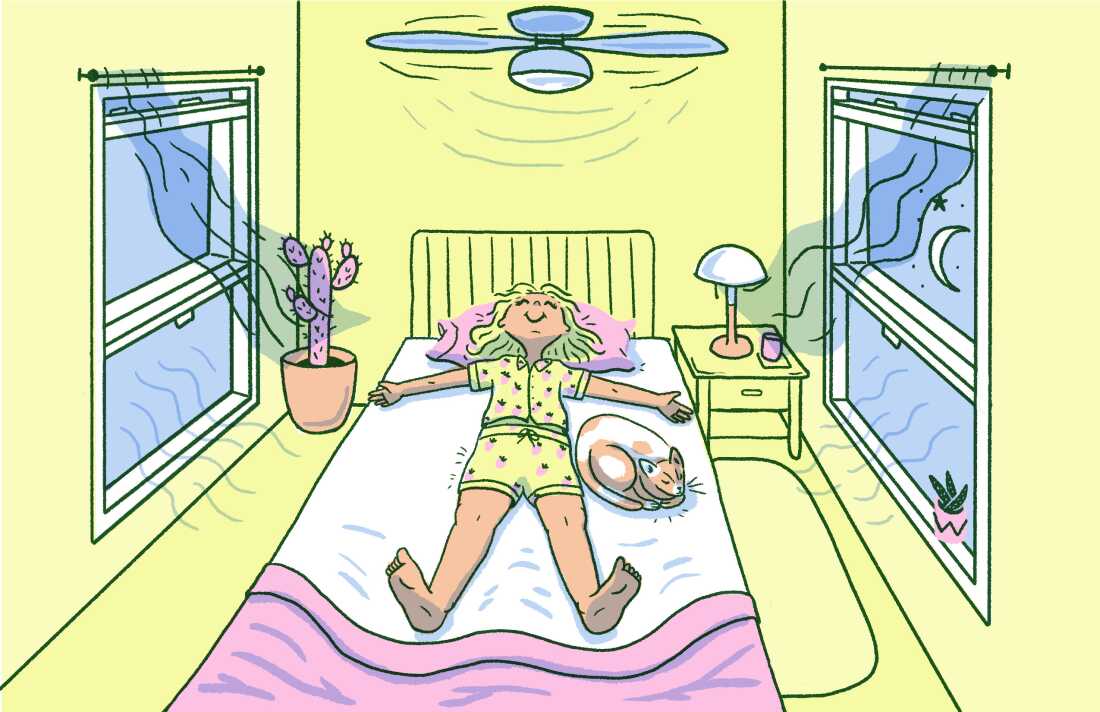
Instead of relying on air conditioning, consider natural ventilation. Opening windows, especially to create cross breezes, can significantly reduce the need for air conditioning. Research indicates up to 45% energy savings through natural ventilation, depending on location.
2. Ceiling Fans
Ceiling fans can provide substantial cooling by circulating air, reducing dependence on air conditioning. Fans consume far less energy, decreasing greenhouse gas emissions by 76%. Use your ceiling fan to save energy, especially when paired with open windows.
3. Reflective Roofs
The sun heats the roof, increasing indoor temperatures. Reflective roofing materials, such as white or silver coatings, can reflect sunlight, reducing cooling needs. Consult a roofer knowledgeable about reflective paints to cut utility bills.
4. Exterior Shades
Installing shades outside windows keeps sunlight and heat out of the house. This method avoids the formation of heat pockets inside. External shutters are traditional in Mediterranean regions, helping maintain cooler indoor temperatures.
5. Weather Stripping
Seal air leaks to prevent heat exchange through windows and doors. Weather stripping uses inexpensive materials like tape or rubber around window frames to seal gaps. It’s an easy and affordable way to improve insulation.
Implementing these strategies can lead to significant energy savings, better home comfort, and reduced climate impact.