
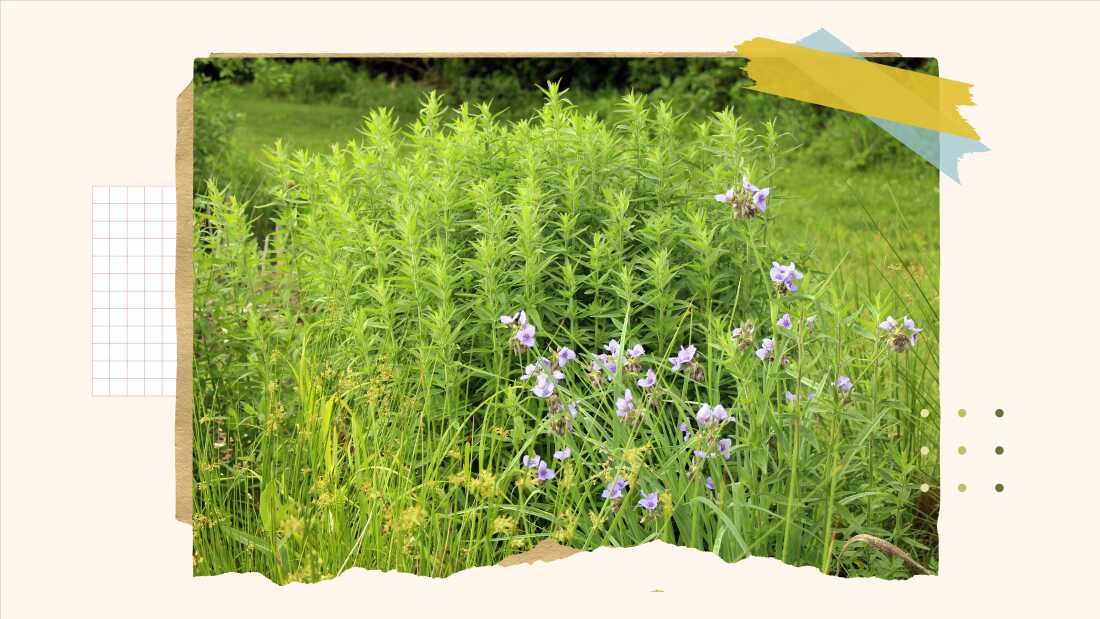
Three years ago, a lawn by Kansas City became a vibrant garden full of Midwest native plants. Species like Ohio spiderwort and mountain mint now attract numerous pollinators. Communities are shifting towards innovative climate solutions amidst political challenges. As federal climate efforts stall, local entities strive to cut pollution and adapt to extreme weather.
Lawns serve practical uses yet span 40 million acres nationwide — equal to the state of Georgia. Turfgrass has significant environmental impacts. Gas-powered tools release 30 million tons of pollutants annually, while chemicals wash into waterways during rainfall. Reducing lawn size makes way for gardens that support wildlife. Such gardens are crucial, especially as bird and butterfly populations decline.
University of Delaware’s Doug Tallamy found that halving lawns and adding native gardens could create more habitats than major national parks combined.
Steps to Replace Your Lawn
Step 1: Choose a Starting Point
You might want to start small if you’re new to gardening. “Taking on a large garden can be daunting,” says Stacia Stelk from Deep Roots KC, advocating for habitat gardens. Replacing the entire lawn can lead to issues like weeds and erosion. Consider removing grass along fences or sidewalks, or adding flower beds around trees for caterpillars and insects.
Step 2: Plan Your Plant Selection
Native flowers, trees, and shrubs can transform your space into a wildlife haven. Many insects depend on specific native plants. Choose your plants based on sunlight exposure and soil conditions. Consult regional native plant groups for guidance. Consider your desired garden style, and be aware of local rules regarding plant height.
Step 3: Grass Removal Techniques
Solarization — using transparent plastic — is an effective grass removal method. Other options include cardboard or plastic sheets to block light and moisture. Grass can also be removed manually or using herbicides. Iowa State University provides guidance on these options.
Step 4: Acquire Plants
Native plants may not be widely available at standard garden centers. Native plant groups often list nurseries online. Buying smaller plant plugs can be budget-friendly. Seek swaps or free seedlings from local gardening groups. Starting plants from seeds requires patience, yet nurseries offer germination advice.
Step 5: Planting and Maintenance
When planting, ensure proper spacing for mature growth. Paula Diaz, a master gardener, emphasizes the need for plants to grow close together. This reduces mulch replenishment and weed management. Though perennials take time to establish, their growth accelerates over seasons.
Step 6: Monitor and Maintain
Keep a lookout for weeds and ensure adequate watering while the plants establish. Once mature, native plants typically require less maintenance. In winter, refrain from cutting plants to the ground to support bee nesting. Enjoy the biodiversity your garden fosters.
With over a decade of experience, Paula Diaz notes the joy of witnessing increased wildlife due to native plant gardens. “It’s fulfilling to see the life your garden brings,” she says.
Connect with us at [email protected]. Listen to Life Kit on Apple Podcasts and Spotify, or subscribe to our newsletter.