
Water Rationing and Drought: An Ongoing Challenge in Puerto Rico
Puerto Rico residents are experiencing widespread water rationing and service disruptions. Severe drought and outdated infrastructure are placing immense pressure on the island’s water system. Hurricane Maria, nine years ago, had already highlighted weaknesses in infrastructure and government response. Today’s crisis is revealing a persistent divide between citizens and the institutions accountable for essential services. Growing concerns surround accountability and how residents can advocate for action before another disaster strikes. A White House official noted to Newsweek that Puerto Rico’s situation is under close watch.
Newsweek sought comments from the White House and the Puerto Rico Aqueduct and Sewer Authority (PRASA) regarding their infrastructure modernization plans, drought response efforts, and reported water loss rates. Updates will be provided if responses are received.
Chronic Infrastructure Issues: More Than Just A Drought
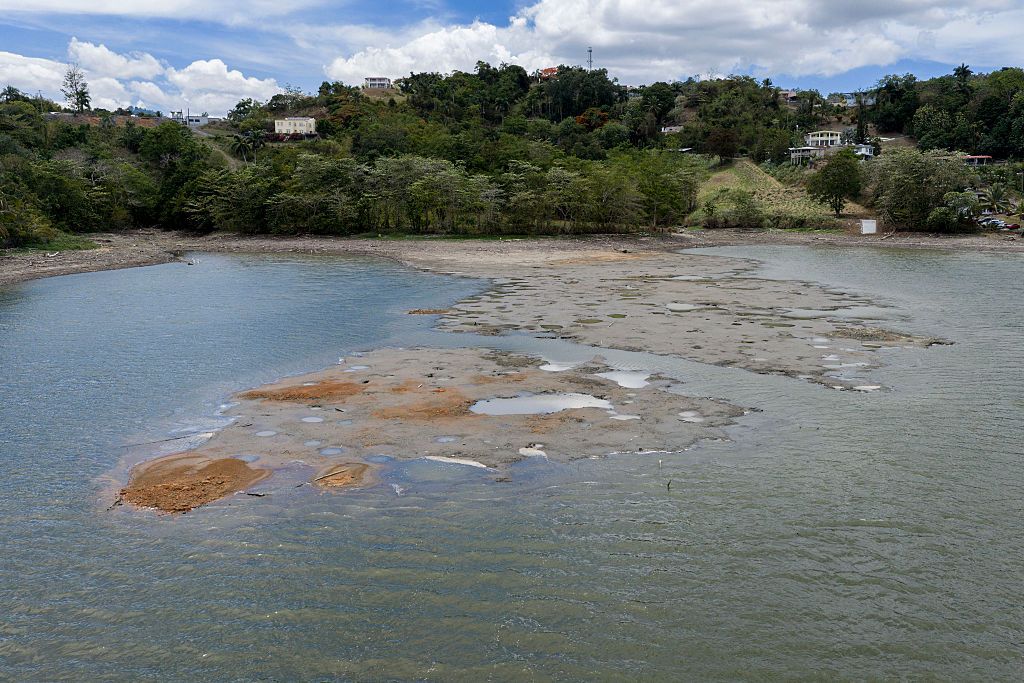
The current water crisis stems from a combination of severe drought conditions and a longstanding issue with an aging water distribution network. July was the driest month in San Juan in over 120 years, leading to moderate to severe drought conditions across large areas. Such conditions have forced reservoir levels to drop sharply, resulting in the necessity for water-rationing measures.
The vulnerabilities faced by Puerto Rico weren’t merely initiated by the recent drought. The New York City Bar Association’s Puerto Rico Task Force highlighted recurring water shortages affecting Puerto Rico before Hurricanes Irma and Maria. PRASA reportedly loses up to 65% of its produced water due to leaks, pipe failures, and overflows, even before reaching consumers.
A pipeline failure in June underscored the system’s fragility. Emergency interventions temporarily stabilized services, yet broader issues of maintenance, modernization, and reliability persist. The present situation bears resonance with post-Hurricane Maria concerns when damaged utilities unveiled years of neglected infrastructure.
Lessons From Hurricane Maria
Hurricane Maria struck Puerto Rico on September 20, nine years ago, causing widespread destruction, communication breakdowns, and one of the notable humanitarian crises in U.S. history. It exposed significant flaws in infrastructure, emergency responses, and coordination among the government agencies.
Jennice Fuentes, founder of nonprofit BoricuActivatEd, emphasized the storm’s role in revealing a gap between citizens’ drive for action and their understanding of governmental operations. Puerto Rican communities immediately mobilized post-disaster, raising funds, and organizing relief, yet encountered hurdles in identifying responsible authorities for decisive actions.
“I would never say that Puerto Rican communities simply didn’t know how to navigate government,” Fuentes told Newsweek. “Hurricane Maria was an extraordinary catastrophe, and no amount of civic knowledge could have compensated for failures in infrastructure, communications or government response.”
Fuentes insists the disaster highlighted a gap between citizens’ desire to act and their understanding of governmental roles. She advocates for knowing where authority lies to enhance effective advocacy, accountability, and understanding of governmental processes.
Addressing Accountability Through Civic Engagement
The current water emergency highlights civic challenges like those seen during Hurricane Maria. Fuentes acknowledges that the water crisis illustrates foundational problems such as infrastructure, planning, management, contracts, oversight, and accountability before crises escalate.
“Civic knowledge cannot fix a broken pipe or fill a reservoir,” Fuentes said. “But it can help a community understand who is responsible, where the money went, what was promised, and how to demand an answer.”
While emphasizing civic power, Fuentes warns against shifting responsibilities away from government agencies tasked with delivering essential services. Citizens should not have to be experts to access basic services.
As reported by the New York City Bar Association’s Puerto Rico Task Force, fragmented authority across federal, territorial, and local bodies poses challenges for residents in identifying responsible authorities when services fail. For residents enduring days without reliable water, such questions impact access to necessities, health, work, education, and economic stability.
A Call For Constant Civic Engagement
Puerto Rico has responded to hurricanes, earthquakes, and now an improving water crisis, with reservoirs increasing levels due to recent rainfall, as noted by PRASA. Yet the ongoing challenge is maintaining engagement beyond immediate emergencies.
“Civic power is what happens after the cameras leave,” Fuentes said.
Continuous engagement is crucial, she argues, to pursue the paths influencing future outcomes through budgets, contracts, infrastructure planning, and agency decisions receiving scant public attention.
Puerto Rico’s Dynamic With Washington
Fuentes observes episodic federal attention towards Puerto Rico, often heightened during disasters or major political debates, and then subsiding. She advocates for sustained Washington engagement rather than transactional interactions.
Having witnessed advocacy’s importance during her congressional tenure, Fuentes stresses that the government should not be first encountered in a state of desperate need.
Future Civic Power In Puerto Rico: A Vision For 2030
Fuentes envisions civic literacy as commonplace in Puerto Rico by 2030, emphasizing that the government is owned by the citizens. Civic literacy would enable citizens to understand representation, control over key decisions, and resource allocation before crises occur.
“People should not have to become experts in government only after something goes terribly wrong,” Fuentes said.
Fuentes believes bolstered civic literacy would enhance accountability, preventing blame shifts between agencies, officials, and contractors, aiding citizens in identifying ultimate responsibility.