
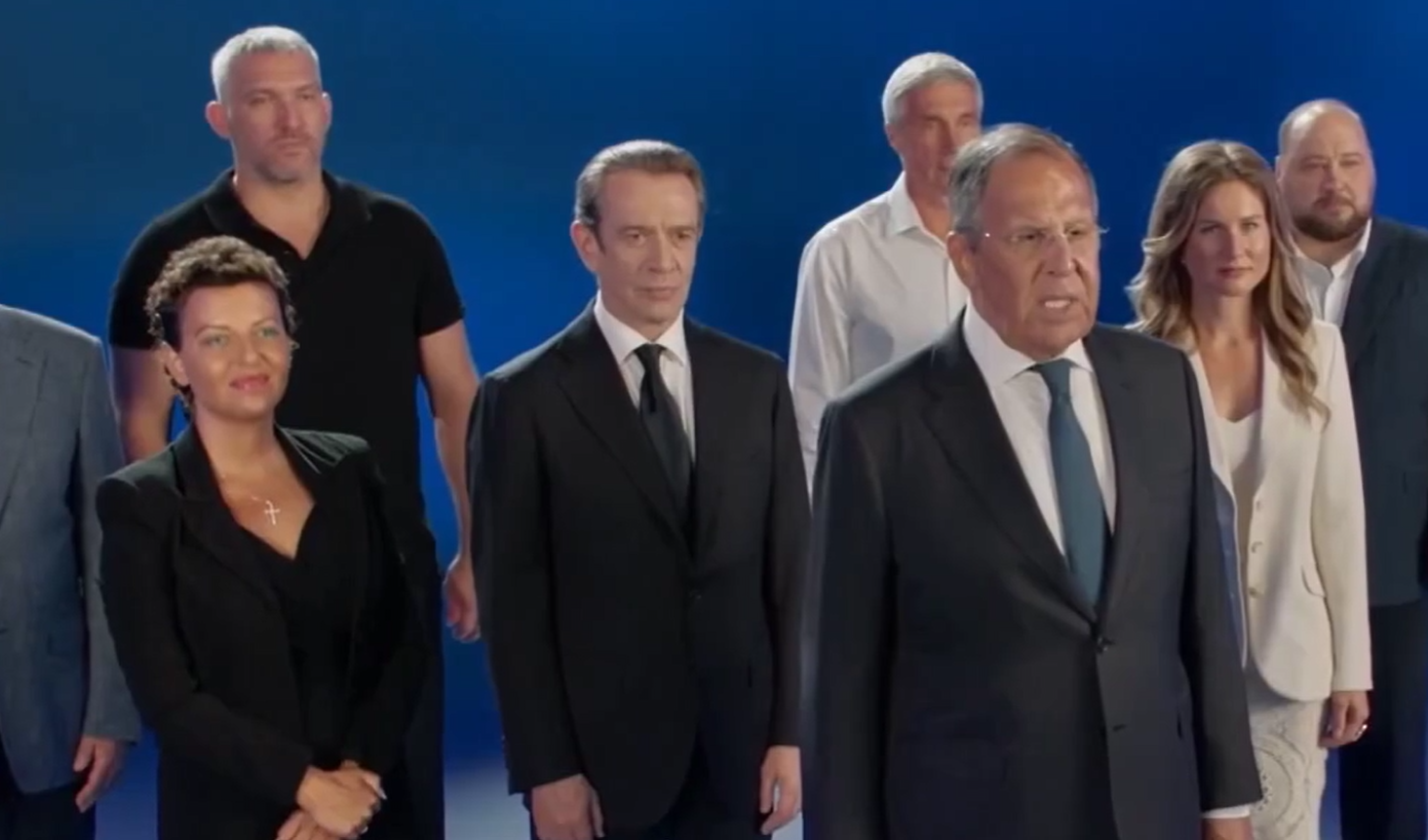
Alex Ovechkin is under fire after the American media revealed his appearance in an election campaign ad for Vladimir Putin’s United Russia party. This comes ahead of the recent Russian elections. The Washington Capitals captain and future NHL Hall of Famer told the media he is “not into politics”. He stated he supports his country and desires “peace and love for everyone.”
Ovechkin’s endorsement did not involve threats, violence, or hate. It was a peaceful, partisan support for a party. Many Americans find United Russia repulsive. If supporting a foreign party means he should quit hockey, many top American athletes may face the same fate.
Ovechkin and the United Russia Ad
In the United Russia ad, Ovechkin does not speak. His presence beside Russia’s foreign minister Sergei Lavrov sends a message. Lavrov warns Moscow’s opponents to “expect no mercy,” promising unity and strength. Beside Ovechkin were notable figures like RT’s Editor-in-Chief Margarita Simonyan, actor Vladimir Mashkov, and singer Tatyana Kurtukova.
When questioned, 41-year-old Ovechkin said, “I am Russian, I support my country.” His vague statements included hopes for peace and love, claiming he is “not into politics,” and that he hopes for goodness for all, be they American, Russian, or Ukrainian.
Ovechkin’s support of United Russia is inherently political. It aligns with a party synonymous with long-term Russian leadership and ongoing military actions in Ukraine. Claiming non-political intentions does not dismiss these aspects.
Responses to the Ad
Republican Rep. Joe Wilson requested NHL Commissioner Gary Bettman and Washington Capitals owner Ted Leonsis to address Ovechkin’s political participation. Hall of Fame goalie Dominik Hasek, known for his criticism, viewed the ad as a pro-war stance.
While criticism is valid, punishing Ovechkin for his political act involves complexity. American sports history shows inconsistent policies. For instance, Stephen Curry’s Democratic Convention endorsement for Joe Biden, or LeBron James campaigning for Hillary Clinton, faced no serious backlash.
In 2023, NBA’s Nikola Jokić supported Serbian president Aleksandar Vučić’s party. Vučić’s party dominated elections with reported biases. Yet, there were no major calls for investigating Jokić’s fitness to play.
The Need for Consistency
Russia’s conflict with Ukraine heightens controversy in Ovechkin’s support. But his stance is not new. In 2017, he launched “Putin Team,” a campaign for Russian unity, using the same defense: “I support my country.” This did not stop the Capitals from offering a lucrative contract afterward.
Fans, especially Ukrainians, have the right to criticize Ovechkin. NHL fans can express disapproval, and journalists should question his United Russia endorsement alongside Lavrov’s aggressive message.
Criticism should remain as it is. Heads must refrain from punitive measures unless they standardize this rule for all athletes. Without such standards, Ovechkin should endure the criticism, answer questions, and continue his career.