
Strengthening El Niño
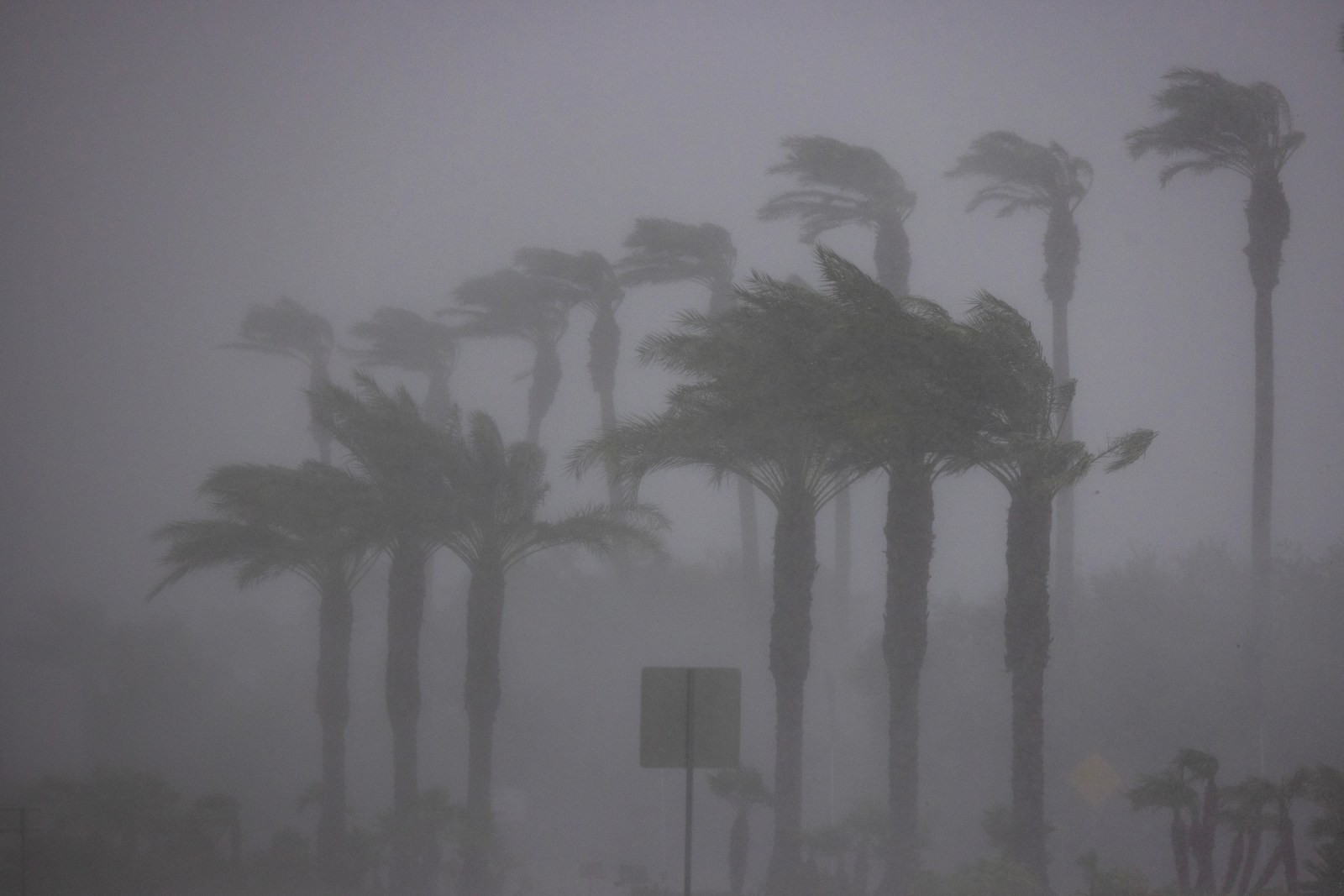
El Niño is intensifying across the Pacific Ocean. It is forecasted to bring severe weather to the United States, potentially affecting conditions into early 2027. The National Oceanic and Atmospheric Administration’s (NOAA) Weather Prediction Center (WPC) anticipates a stronger El Niño than seen in decades. This phenomenon could impact various U.S. regions, with California and the Southeast facing some of the greatest challenges.
“El Niño means the sea surface temperatures in the eastern Pacific are above normal. That’s where they are now, and that’s where the forecast will be going into the winter,” explained Tony Fracasso, a meteorologist with the WPC.
Understanding El Niño
El Niño represents the warm phase in the El Niño–Southern Oscillation (ENSO) climate pattern. It arises from interactions between the Pacific Ocean and the atmosphere. La Niña, conversely, is the cycle’s cool phase. El Niño is marked by unusually warm ocean temperatures affecting weather patterns globally. The southern U.S. tends to experience stormier weather, while regions north may become drier. Changes in hurricane activity are also possible.
Strong El Niño events correlate with major weather extremes. For instance, the 1997-98 event led to substantial flooding in California and Peru. Similarly, 2015-16 saw record global temperatures.
Potential Impact on U.S. Regions
California and the Southeast could experience particular intensity from El Niño. Fracasso stated that the storm track might shift, leading to warmer conditions nationwide and keeping colder air out of the lower 48 states.
California may witness increased storms. The phenomenon could extend across the country, resulting in a milder winter for many areas. However, El Niño events vary, and not all result in increased precipitation for California.
The South, including states along the Gulf, may encounter wetter conditions. The Carolinas might experience unusual rainfall as well. Generally, El Niño brings warmer temperatures, but cold snaps and snow remain possible. In contrast, the Great Lakes region could be drier.
Future Predictions and Unprecedented Weather
NOAA’s August 13 discussion highlighted the expected strengthening of El Niño, projecting a 69% likelihood of a historic event surpassing those since 1950. With forecasts showing over a 90% chance of a robust El Niño occurring during the Northern Hemisphere’s fall and winter 2026-27, the phenomenon’s impact is poised to be substantial.
Jeff Berardelli, a meteorologist with WFLA-TV, indicated a potential for unprecedented events. He noted a significant increase in west winds in the Tropical Pacific, anticipating a boost to El Niño’s intensity.
“Humans have never seen such an episode, so I’d expect some unprecedented events,” Berardelli emphasized.
He predicted significant changes for the U.S. South and Florida, including a strong subtropical jet stream by late fall. This could bring frequent weather fronts, severe conditions, and persistent rainfall. California might also experience increased winter rainfall.
The term “Super El Niño,” used in prior strong events, captures the magnitude of the current El Niño’s impact. Though the phenomenon’s intricacies remain partially understood, it stands to affect weather patterns in diverse and notable ways.