
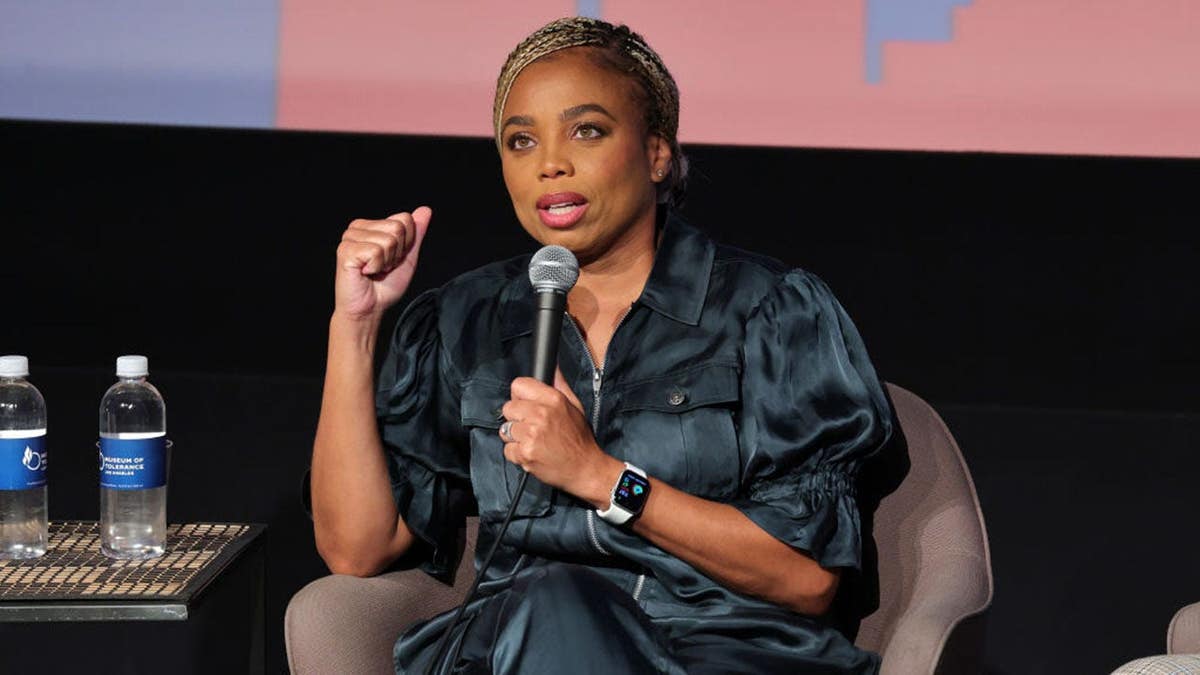
ESPN’s decision to invite Sen. Ted Cruz, R-Texas, as a guest on ‘College GameDay’ sparked controversy. Cruz joined the show to discuss the bipartisan ‘Save College Sports Act’ with host Rece Davis. This move drew criticism from former ESPN personality Jemele Hill and various liberals on social media platforms.
Hill’s reaction on X was sharp, stating, ‘Did not know ESPN had become a political lobbying firm.’ Hill’s history with ESPN included hosting shows such as ‘SC6’ with Michael Smith, where they often discussed political topics, including race issues and Black Lives Matter. Hill’s stance has previously led to ESPN moderating discussions on athletes, violence, and law enforcement.
Hill’s comments have been polarizing. In 2017, she made statements about the need for police reform and criticized President Donald Trump, calling him a ‘white supremacist.’ This drew a response from ESPN, distancing themselves from her remarks.
In 2022, former ESPN personality Elle Duncan opposed Florida’s ‘Don’t Say Gay’ bill live on-air. She argued the legislation would negatively affect many families and expressed ESPN’s solidarity on the issue.
Critics argue that such political expressions have no place in sports. They contend that Cruz discussing the ‘Save College Sports Act’ isn’t politically divisive compared to past actions by ESPN. Notably, ESPN previously featured Pennsylvania Democrat Gov. Josh Shapiro in 2025, without inciting criticism from Hill.
The debate continues on whether ESPN’s actions over the years have shown a bias towards Democratic policies. Hill and others are accused of turning a blind eye to instances when it does not align with their narratives.
As political tensions continue, the focus remains on how sports platforms engage with political figures and topics. Regardless of personal political beliefs, the inclusion of Cruz on ‘College GameDay’ to discuss issues affecting college sports is less about division than past representations by ESPN.