
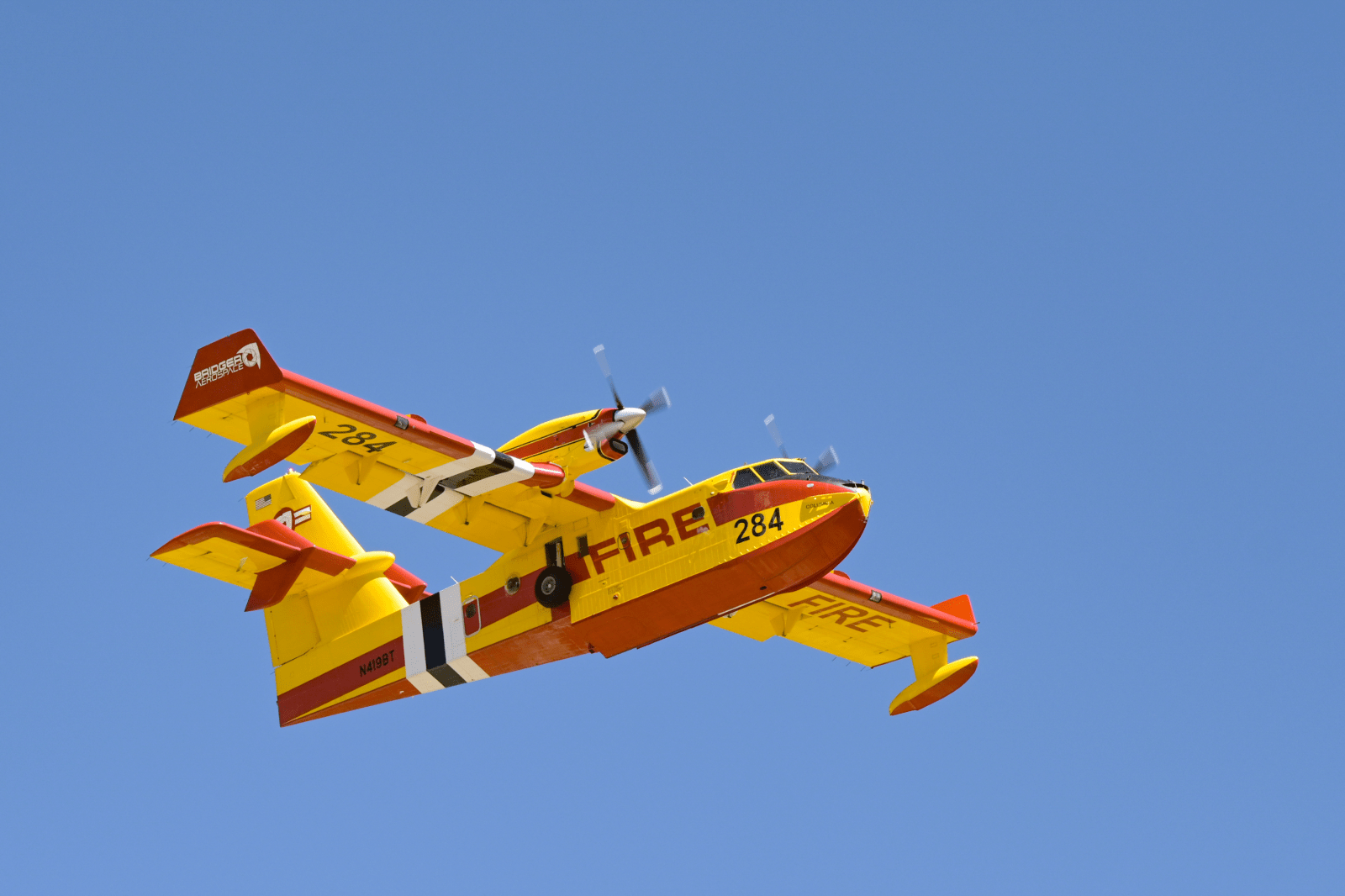
Oregon’s wildfire season is described by state officials as the worst recorded, leading to strict warnings for drone operators. Emergency managers stress that drones should be kept grounded near wildfires. Unauthorized drones are causing interference with firefighting operations, forcing mission suspensions at critical times.
Strict ‘No Drone Zones’
The Oregon Department of Aviation and the Oregon Department of Emergency Management emphasize active wildfire areas as rigid “No Drone Zones.” Even small recreational drones pose significant safety risks to firefighting aircraft. These aircraft operate at low altitudes, dropping water and fire retardant, and any interference can delay essential firefighting activities.
Kenji Sugahara, Director of Oregon Department of Aviation, noted issues with drones around the Grasshopper Fire, causing delays in operations. “When there’s fire spreading, those 15 minutes, 30 minutes, that they’re delayed in operation, that fire is going to spread that much further,” Sugahara stated.
Drone intrusions into fire airspace force firefighting aircraft to pause operations until safety is secured, allowing flames to spread further. This endangers firefighters, communities, and infrastructure.
Consequences for Violators
Those who fly drones near active wildfires in Oregon face serious penalties, including civil fines up to $75,000, federal prison sentences of up to 12 months, loss of equipment, and suspension of pilot certificates.
Nationwide Implications
The issue of drone interference is not solely an Oregon problem. The Federal Aviation Administration (FAA) can issue Temporary Flight Restrictions (TFRs) around emergencies like wildfires and hurricanes. These TFRs prevent unauthorized aircraft, including drones, from entering designated airspace without permission.
The U.S. Forest Service’s “If You Fly, We Can’t” campaign highlights drone interference risks. With incidents reported in states such as Arizona, California, Colorado, Nevada, New Mexico, Utah, Washington, and Minnesota, aerial firefighting operations have been suspended temporarily in several cases.
Recent Drone Incidents
In Utah, aerial firefighting operations on the Eight Mile Fire faced interruptions due to a drone presence. Firefighting aircraft engaging the blaze had to reconsider flight operations due to this intrusion.
Fire Officials’ Concerns
Firefighting aircraft operate at low altitudes similar to recreational drones, creating potential collision risks, distractions for pilots, and the immediate grounding need until the area is cleared.
Drones are increasingly utilized by fire agencies to pinpoint hotspots, monitor fire behavior, and assist ground crews. These authorized drone operations are carefully coordinated to avoid conflicts with other firefighting efforts.
Advisory for Drone Owners
During active wildfires across the western United States, Oregon authorities urge drone owners to adhere to one rule: if a wildfire is nearby, keep your drone at home. Allow emergency personnel the airspace necessary to combat these fires effectively.
For inquiries on this report, contact Newsweek editors Daniel Orton and Robert Greenall.