
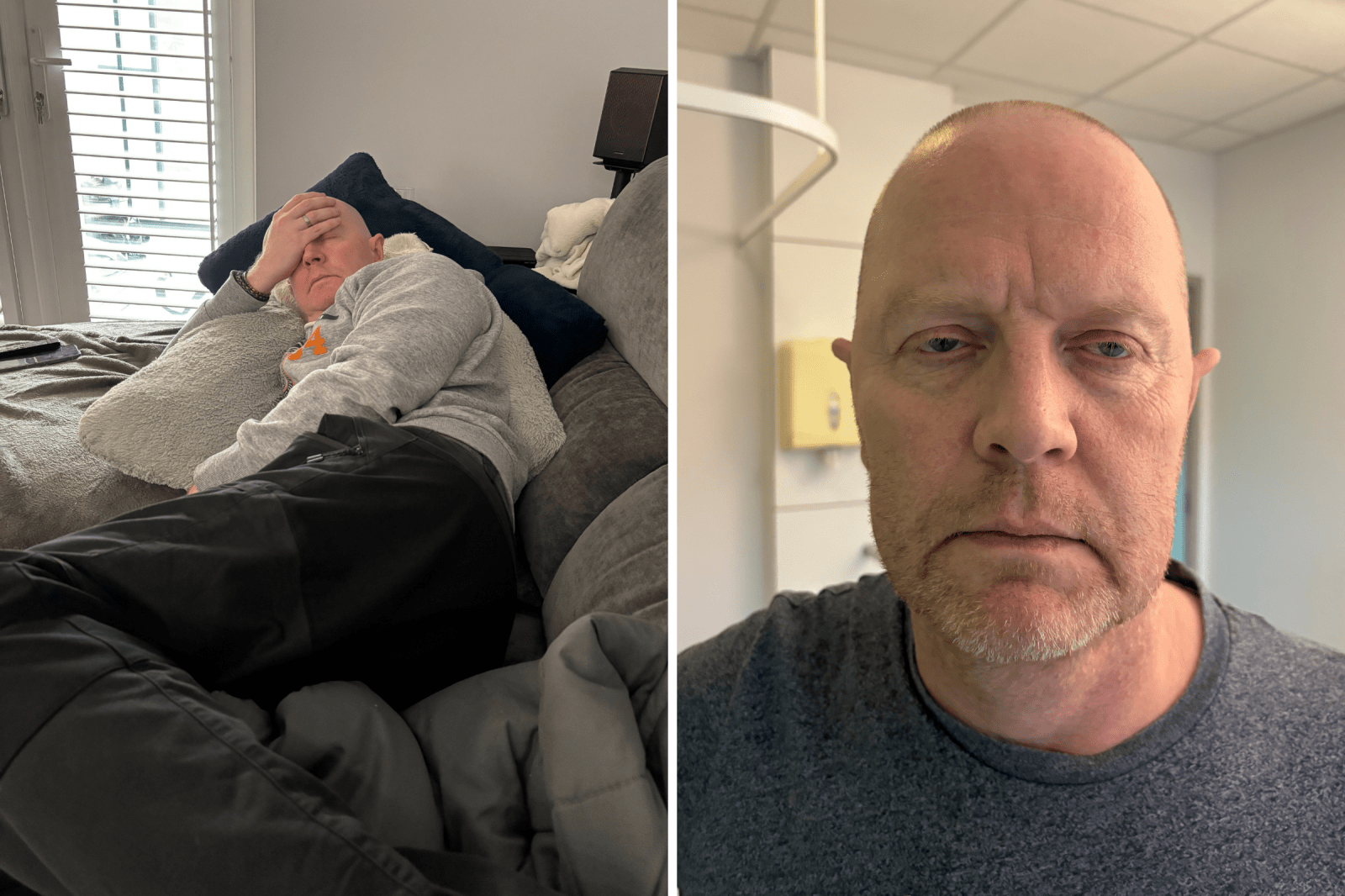
A man who suffered a stroke earlier this year has shared the symptoms he initially ignored. On January 29, 2026, Matt Wright’s life took a dramatic turn due to a stroke, resulting in a month-long hospital stay. The onset seemed sudden, yet Wright, aged 48, recalls warning signs appearing two weeks before the stroke.
Wright, from Essex, U.K., described initial symptoms including dizziness, fatigue, and pain in his neck and ear. These were easy to overlook, as he attributed them to less serious causes. He said, “I then had a terrible headache, localized in one area, like pressure on my head.” He dismissed them as everyday issues.
On the night of the stroke, Wright went to bed early due to the headache’s intensity. By midnight, he woke feeling strange and couldn’t identify the problem. Realizing he couldn’t speak, he attempted to alert his wife. Unable to walk, she phoned for an ambulance, faced with a potential 90-minute wait. She managed to dress him and move him downstairs toward the car.
Fortunately, a nearby ambulance arrived promptly. Wright was taken to the hospital, where initial scans were clear despite worsening symptoms. He was transferred to the stroke ward for further testing, revealing multiple brain clots. The diagnosis showed bilateral carotid artery tears with prominent damage on the left side.
The CDC reports over 795,000 stroke cases annually in the U.S., nearly one every 40 seconds. While stroke risk increases with age, awareness of symptoms is crucial. The American Stroke Association advises using the acronym B.E. F.A.S.T.: Balance loss, Eye changes, Face drooping, Arm weakness, Speech difficulty, Time to call emergency services.
Wright spent a month in the hospital post-stroke, still facing balance, mobility, and speech difficulties. He stated, “I have nerve damage in my neck, believed to stem from the artery tear, causing paralysis on my left tongue side and swallowing issues. Headaches, facial neuropathy, and pain persist.”
Previously a gym enthusiast, Wright has altered his lifestyle, adopting a soft food diet and adapting his home. His adjustments include a specialized bed and shower seat, plus reliance on a walking stick for short distances.
Wright documents his journey online, sharing missed warning signs and stroke impacts. His viral videos aim to encourage timely medical attention for “alarming” symptoms. He advises making the most of daily life, emphasizing the importance of seeking help for unusual conditions.
If you have health concerns, contact Newsweek at [email protected]. Your story may feature in future articles.