
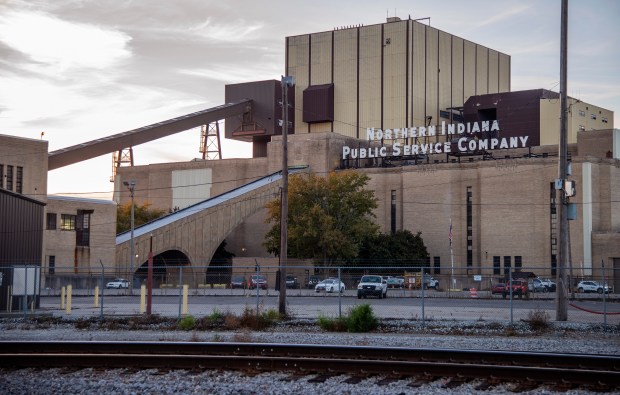
Residents of Michigan City are increasingly vocal about their opposition to the NIPSCO coal plant, considered by many a blight on the beautiful beach area. Dave Horn, a local resident for 41 years, expressed his frustration with the continued operation of the coal plant. He stated, “Probably, at one time, coal was a good answer, but it’s no longer a good answer. It’s not acceptable, and the pollution that comes off of it is undeniable.”
Horn and his wife, Gloria, were among those protesting alongside the Sierra Club and Just Transition Northwest Indiana (JTNWI) against the Michigan City Generating Station. The community is urging NIPSCO to retire the coal plant amid fears it may be kept online to power regional data centers. Initial plans slated the plant’s retirement for 2028; however, there are concerns NIPSCO may reconsider.
Gloria Horn voiced her concern, saying, “It just seems like NIPSCO is putting profits over the good of its citizens. I feel like they’re reneging on a promise they made.” She also highlighted worries about the impact of the local data center boom on regional coal plants.
The Sierra Club’s senior campaign organizer, Megan Anderson, discussed the community’s concerns about air and water pollution caused by coal ash from the plant. Coal ash, according to the Environmental Protection Agency, contains harmful metals like arsenic and radium, posing risks such as cancer and developmental issues.
Anderson emphasized the need to hold NIPSCO accountable, stating, “We want to make sure that NIPSCO keeps its promise to the community to retire the coal plant by 2028.” The growing energy demands from regional data centers add to existing concerns over prioritizing clean energy.
The coalition of residents and environmental groups is putting pressure on NIPSCO to prioritize clean energy over fossil fuels. Ashley Williams, Executive Director of JTNWI, urged NIPSCO to maintain its retirement announcements and transition away from coal reliance.
Michigan City resident Lawrence Zimmer, living downwind from the plant, shared his experience with pollutants accumulating around his home, making cleanup efforts necessary. He stressed the need for data centers to utilize renewable energy, underscoring the environmental benefits of such initiatives.
Both Anderson and Williams note the importance of the partnership between Sierra Club and JTNWI in galvanizing regional environmental activism. They argue that collective action places pressure on corporations to consider the community in their decision-making.