
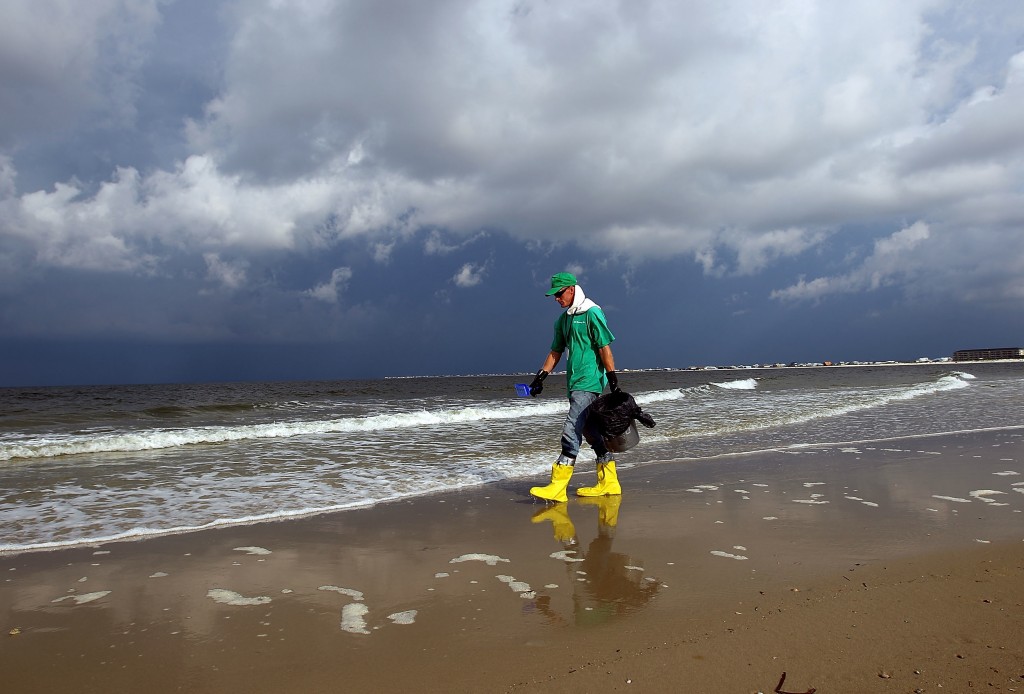
The 2010 Deepwater Horizon oil spill deeply affected marine life in the Gulf of Mexico, according to a recent study published in the journal PNAS. In the aftermath of the explosion, researchers observed a significant decline in marine populations within a crucial area between the ocean surface and its darkest depths, where the BP-operated well leaked 134 million gallons of oil.
Impact on Marine Populations
The study revealed a 63.5% drop in fish numbers from the year following the spill to 2015. Crustaceans such as shrimp and krill declined by 62%, and populations of larger animals like squid and octopuses fell by 59.7%. These reductions have not significantly recovered over the years.
Lead author Tracey Sutton from Nova Southeastern University explained that the research focused on the ocean’s “twilight zone”. This largely unexplored region is home to many marine species that serve as food for dolphins and whales. Prior to the 2010 spill, this area of the Gulf had not been studied extensively.
Research Methodology
In 2011, scientists conducted a post-spill exploration using nets at varying depths and acoustic sonar to gauge marine life. When they returned three and a half years later, they found a dramatic decrease in populations, down to about one-third or one-quarter of the numbers in 2011.
“We saw this big decline,” Sutton remarked. By examining potential causes such as temperature, oxygen, and food supply, the team linked the decline primarily to the oil spill.
Researchers continued sampling until 2023, finding only a slight, statistically insignificant rise in sea life that was not sustained.
Documenting the Decline
Sutton’s team used multiple lines of evidence, including net catches, sonar data, and genetic studies, to document population declines. Marine life suffered not only from the immediate effects of the explosion, which killed 11 workers, but also from prolonged exposure to pollutants stored in eggs, compromising future generations.
BP spokesperson Paul Takahashi stated that the disaster “forever changed” the company, emphasizing changes made to prevent similar events.
Effects of Oil and Dispersants
Co-author Isabel Romero highlighted the damage from both oil and dispersants. While oil poses a toxic threat, dispersants break oil into smaller droplets, increasing exposure for deeper-dwelling species. Newer studies advocate for different chemical approaches in future spills, aiming to boost oil-consuming microbes.
Sutton noted that even though a definitive causal link to the BP spill could not be proven, the timing and circumstances strongly suggest it as the cause of the decline.
Marine Biodiversity Loss
The krill population dropped 72%. Lanternfish numbers are a third of their previous count. Dragonfish populations, also drastically reduced, suffered big losses. “These are foundational species,” Sutton noted. “They’re the things most things eat.”
This illustrates the far-reaching impacts on the oceanic ecosystem.
New Understandings of Marine Systems
The study provided new insights into the connectedness of the Gulf’s marine ecosystem, revealing how surface and deep-sea life interacts more intricately than previously thought. Kaitlin Frasier, a marine scientist at Scripps Institution of Oceanography, emphasized the importance of these findings.
Boris Worm from Dalhousie University highlighted the significance of recognizing such repercussions amid discussions on deep-sea mining and increased oil drilling.
Both Worm and Colwell urged that this ecological damage be considered in future resource management decisions.
Supporting informed journalism and civil discourse remains vital for an informed public.