
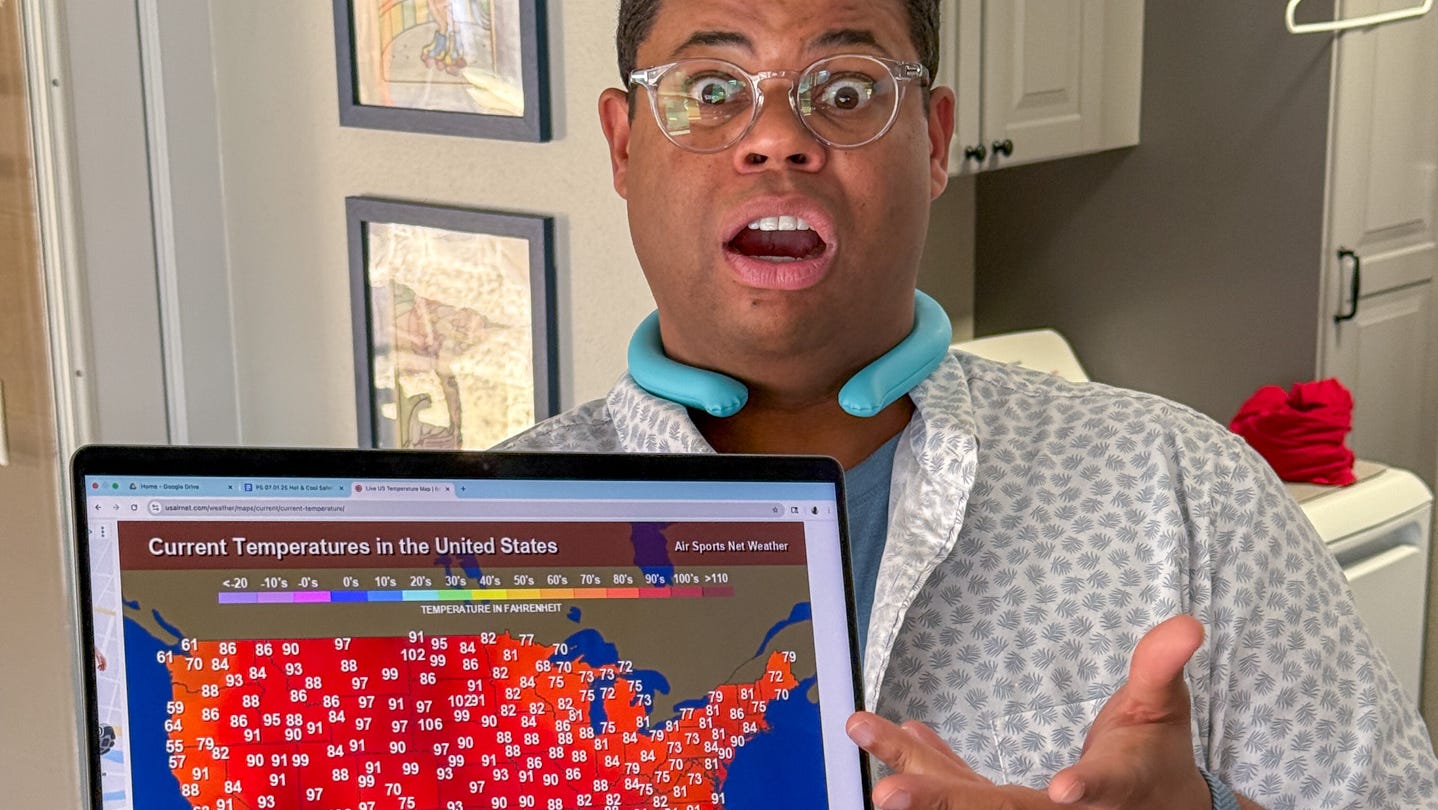
The three-month forecast from NOAA’s Climate Prediction Center, released on June 18, indicates most of the United States will face temperatures above the historical average. This forecast covers July, August, and September.
The data suggests that Oregon and Washington have the greatest chances for higher temperatures during this period. Conversely, parts of the Midwest, including Illinois, Wisconsin, Iowa, and Missouri, are around 30% likely to experience below-average temperatures. The historical averages used are from 1991 to 2020.
What we’re seeing for the July, August, September time period is that for the majority of the country the trend has been warmer,said Scott Handel, a meteorologist with the National Weather Service.
Precipitation and Drought Concerns
Predictions for precipitation in the coming months show minor deviations from historical averages. However, increased rainfall is expected in Southern California, Utah, Arizona, as well as parts of Nevada, Idaho, Wyoming, Colorado, and New Mexico. This increase could benefit drought-affected areas.
Chad Merrill, a senior meteorologist at AccuWeather, attributes the above-average rainfall to monsoon moisture and potential east Pacific tropical storms. Despite this, AccuWeather also highlights a heightened fire risk in the Northwest due to anticipated warmer and drier conditions.
Drought and Wildfire Risks
Merrill notes that drought conditions may worsen in the northern Rockies. There is potential for dry thunderstorms sparking wildfires early in the Southwest’s monsoon season. An increase in moisture from late July into August could transition from wildfire threats to flooding risks.
Merrill expressed concerns about potential flooding: The Southwest can see a big target that’s the summer going from very dry, very hot, with a wildfire risk to all of a sudden having episodes of flooding. We also see an elevated flooding risk from northern Texas all the way into the Midwest.